Mexico Must Strengthen Auto Policies, Says Meschoulam at BAM
 By Óscar Goytia | Journalist & Industry Analyst -
Fri, 09/19/2025 - 13:31
By Óscar Goytia | Journalist & Industry Analyst -
Fri, 09/19/2025 - 13:31
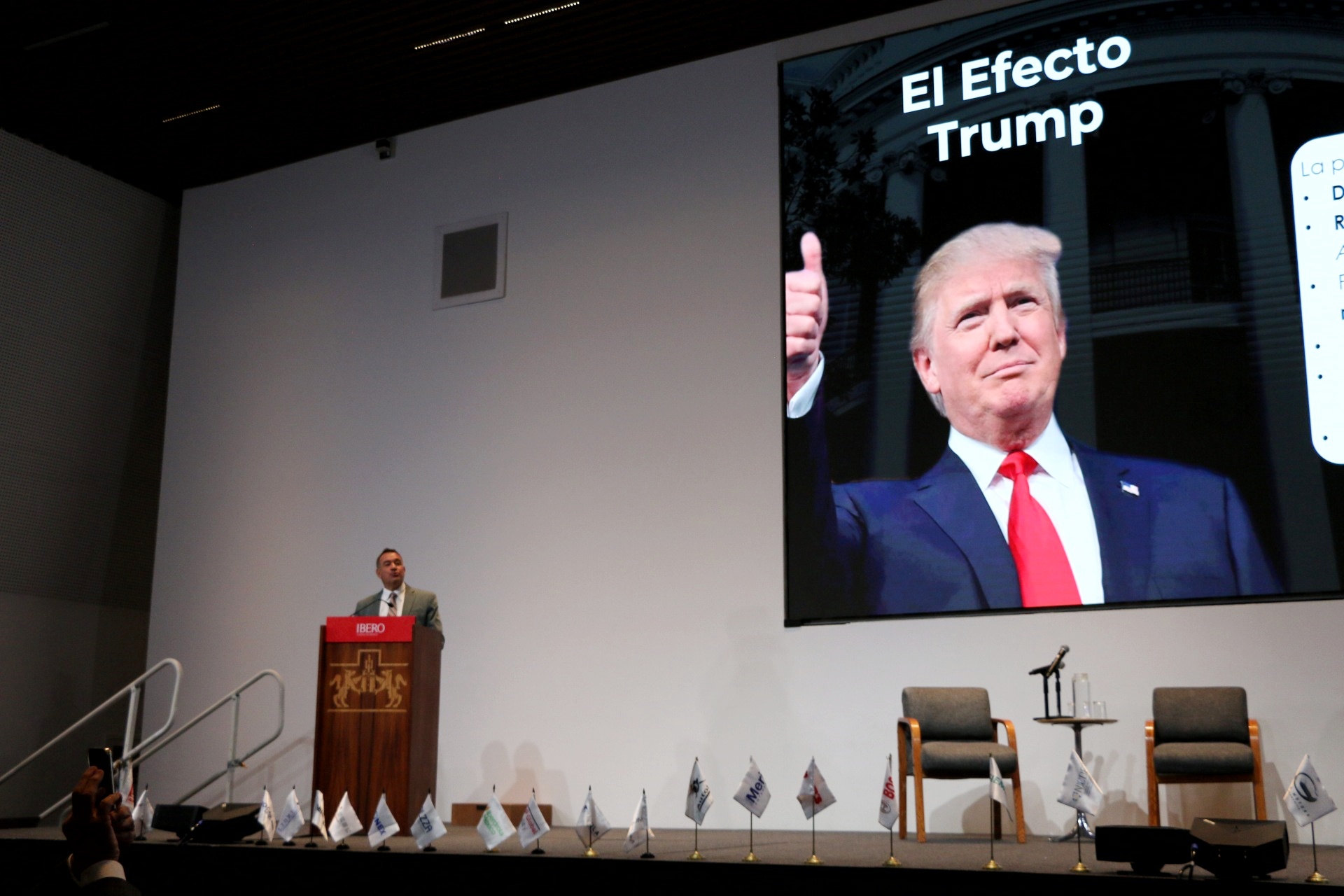
Mauricio Meschoulam, internationalist and PhD in Public Policy, provided an in-depth analysis of Mexico’s automotive manufacturing sector at the Business Automotive Meetings (BAM) 2025, held Sept. 18 at Universidad Iberoamericana, Santa Fe. His remarks highlighted systemic challenges in workforce development, supply chain management, industry competitiveness, and the broader geopolitical context influencing investment decisions.
Addressing a B2B audience of industry executives, government officials, and academics, Meschoulam emphasized that Mexico’s potential in advanced manufacturing is limited by structural obstacles. “Mexico has the proximity and trade agreements to be a nearshoring hub for North America, but logistical inefficiencies and fragmented policies reduce our competitiveness,” he said.
He framed Mexico’s automotive sector within the context of US policy shifts under President Donald Trump, arguing that tariffs, trade renegotiations, and geopolitical tensions created uncertainty, forcing companies to rethink supply chains and production strategies. “Trump’s policies accelerated the nearshoring trend, but they also exposed how vulnerable Mexico is to external pressures and sudden policy changes,” he explained.
Meschoulam also discussed the concept of a “war economy,” highlighting how global conflicts and defense-oriented policies affect raw material availability, production costs, and technology access. “Manufacturers worldwide are adjusting to a geopolitical environment where supply chains are influenced by military and strategic considerations. Mexico cannot ignore these factors if it wants to remain a competitive manufacturing hub,” he said.
He noted that Mexico could benefit from nearshoring trends driven by US companies seeking shorter, more resilient supply chains. However, insufficient logistics capabilities, underdeveloped transport networks, and regulatory bottlenecks limit the country’s full potential. “Companies look at Mexico for proximity, but delays at ports and inconsistent customs procedures make us less competitive than other regions,” Meschoulam observed.
Highlighting the importance of Industry 4.0, he stated, “Automation, robotics, and digitalization are not optional—they are critical to remaining relevant in the global automotive market. Yet many plants are still struggling with basic integration.” He also proposed establishing regional centers of excellence to concentrate resources and expertise.
Meschoulam stressed that clearer industrial and trade policies could strengthen Mexico’s role in global manufacturing. “Strategic incentives for innovation and investment are essential. We need a coordinated vision that aligns federal, state, and municipal authorities with industry priorities,” he said.
He urged manufacturers to focus on high-value production and niche specialization rather than competing solely on cost. “Mexico cannot win just by being cheap. To attract global OEMs, we must combine quality, speed, and technology-driven processes,” he noted, emphasizing that partnerships with international companies and universities can help close knowledge gaps.
Finally, Meschoulam highlighted the transition to electric vehicles (EVs) as a key challenge. He argued that Mexico’s manufacturing strategy must incorporate sustainability standards and ESG considerations. “Global OEMs increasingly demand compliance with environmental and labor standards. Our factories must adapt not only for efficiency but for long-term viability in the EV ecosystem,” he concluded.
You May Like






Most popular