Mexico’s EV Momentum Surges Amid Trade Tensions
 By Óscar Goytia | Journalist & Industry Analyst -
Thu, 07/10/2025 - 13:04
By Óscar Goytia | Journalist & Industry Analyst -
Thu, 07/10/2025 - 13:04
This week in auto news: Mexico’s EV sector continues to grow, fueled by strong policy support and global investment. BYD paused plans for a Mexican plant amid US trade uncertainty, while the United States raised concerns about Chinese firms using Mexico to bypass tariffs. Toyota ramped up local Tacoma production, and China became Mexico’s top vehicle supplier. Meanwhile, BYD expanded in Brazil, and EV tax credits ended in the United States.
Start your engines — this is the Week in Automotive!
Digitalizing Automotive Quality Assurance
“Solutions that monitor machining processes in real time give manufacturers more opportunity to respond to problems during machining. Process control technology uses sensors that use unique algorithms to detect and calculate tool breakages in real time and, if there’s an issue, the system will immediately stop the feed and retract the tool,” says Sandvik Coromant Mexico’s Nicholas Falgiatano.
China Car Sales Up 19% in June Amid Overcapacity Warnings
China’s passenger car sales rose 18.6% year-over-year in June to 2.1 million units, accelerating from a 13.9% increase in May, according to the China Passenger Car Association (CPCA). Sales for the first half of 2025 reached 11.1 million units, marking an 11.2% increase compared to the same period in 2024.
Isuzu Mexico Targets 10,000 Annual Sales by 2030, Up 66%
Isuzu Motors de México has set a new sales target of 10,000 units per year by 2030, representing a 66% increase over its 2025 forecast of 6,000 units. The announcement was made during the company's 20th anniversary celebration, where executives outlined strategic plans to introduce new product lines and expand local production capabilities.
BYD to Assemble 50,000 EVs in Brazil Despite Local Concerns
Chinese electric vehicle (EV) manufacturer BYD plans to start assembling cars in Brazil this month, targeting production of 50,000 vehicles in 2025 at its new plant in Camaçari, Bahia state. The facility will initially assemble vehicles from imported “complete knock down” (CKD) kits before transitioning to full production by July 2026, according to Alexandre Baldy, BYD’s Senior Vice President in Brazil.
Toyota Boosts Tacoma Production 63% in Mexico Despite Tariffs
Toyota continues to rely heavily on its Tacoma pickup production in Mexico to sustain exports amid new US tariffs. From January to May 2025, its Tijuana and Apaseo el Grande plants produced 133,174 Tacomas—a 63.4% increase compared to the same period in 2024. Marisol Blanco, Toyota Mexico Communications Director, noted, “So far, production volumes and exports have not been affected,” though she highlighted challenges in tracking component origins under the updated tariff regulations.
China Becomes Mexico’s Top Car Supplier in Early 2025
Chinese automakers exported more than US$2.05 billion worth of vehicles to Mexico between January and April 2025, making China the country’s top foreign car supplier, according to data from Mexico’s Central Bank (Banxico). The shipments—which included electric, hybrid, and internal combustion engine vehicles—accounted for nearly 30% of total car imports during the four-month period.
ADO to Invest US$110 Million in New Buses to Tackle Slow Growth
Passenger transport company ADO has announced an investment of over MX$2 billion (US$110 million) to renew its premium long-distance bus services, Platino and GL, with the addition of 303 new units. The strategy aims to counter slowing market growth and rising competition from digital platforms and low-cost operators.
Mexico’s 40 Hour Workweek: A Wake-Up Call for Manufacturers
“The transition to a 40-hour workweek does not have to mean reduced productivity. On the contrary, it presents a historic opportunity for Mexico to modernize its manufacturing sector and become a regional leader in automation,” says Facteon’s José Antonio Velázquez.
US EV Credit Cut May Save US$169 Billion
The US$7,500 federal tax credit for purchasing or leasing new electric vehicles (EVs) in the United States will end on Sept. 30, under a tax and budget bill passed by Congress on July 3. The legislation also eliminates a US$4,000 credit for used EVs.
Trump Targets Japan Autos With 35% Tariff
As trade tensions escalate, Japanese tariff negotiator Ryosei Akazawa held phone talks with US Commerce Secretary Howard Lutnick on Thursday and Saturday, according to a statement from the Japanese government released on July 5. The discussions follow nearly three months of stalled negotiations aimed at averting a sharp increase in tariffs. Japan stated it intends to continue coordinating with the US to prevent higher duties, while the White House declined to comment beyond President Donald Trump’s recent remarks about Japan’s trade practices.
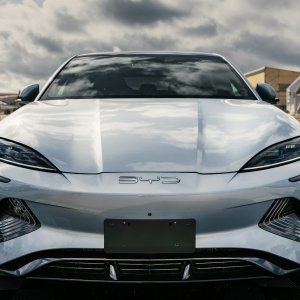
BYD Halts Mexico Plant, Cites US Trade Policy Uncertainty
BYD, China’s leading electric vehicle (EV) manufacturer, has suspended plans to build a major plant in Mexico due to geopolitical tensions and uncertainties related to US trade policy, according to statements by the company’s Executive Vice President, Stella Li. Speaking on Tuesday in Bahia, Brazil, where BYD is inaugurating its first factory outside Asia, Li said the company is “waiting for more clarity before making a new investment decision.”
US Warns China May Use Mexico to Bypass Auto Tariffs
The US government has raised concerns that Chinese automakers are using Mexico as a backdoor to bypass US tariffs, taking advantage of the country’s free trade agreements. A May 2025 report by the US International Trade Commission (USITC) revealed that Chinese companies carried out 23 auto-related investments in Mexico between 2019 and 2023, representing nearly 50% of all Chinese corporate investments in the country, with a combined value of approximately US$7.06 billion.
Mexico’s Electric Vehicle Revolution: An Update for 2025
“Mexico's electromobility sector is not merely evolving; it's undergoing a revolution. The impressive growth in sales and production, coupled with proactive government policies and significant foreign investment, paints a promising picture,” says MegaFlux’s Felipe Gallego.
You May Like




Most popular