

Supplier Development in the Auto Sector: A Commitment to SMEs



STORY INLINE POST


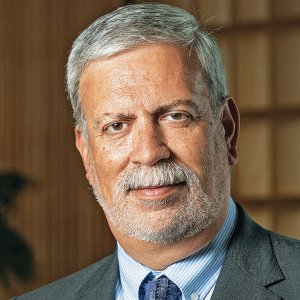



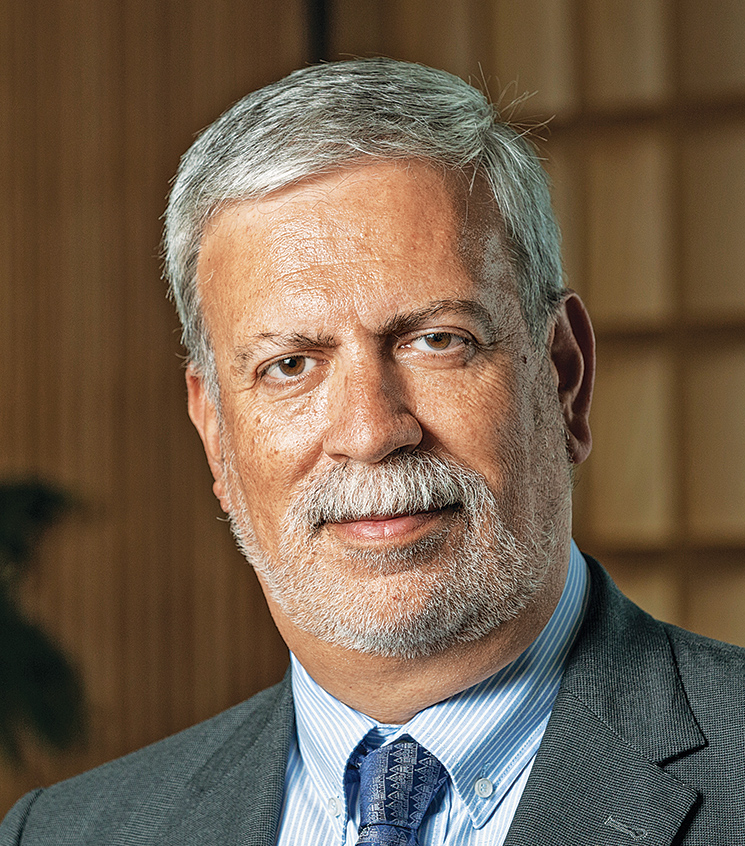 By Francisco Nicolas Gonzalez | Executive President -
Mon, 02/24/2025 - 06:00
By Francisco Nicolas Gonzalez | Executive President -
Mon, 02/24/2025 - 06:00
We find ourselves at a key moment, with the auto parts industry in Mexico playing a crucial role in the country’s economic development, solidifying itself as one of the strongest and most dynamic sectors. In fact, Mexico is the fourth largest producer of auto parts globally and is the main supplier of components to the United States, demonstrating its global leadership.
The sector, whose exports account for 87% of national production, generates over
880,000 direct and indirect employment opportunities in the country, promoting the creation of plants, research and development centers, and, above all, a robust supply chain that provides the automotive industry.
However, the leadership of this industry, and specifically the auto parts sector, depends on its ability to integrate more domestic suppliers into the global value chains of the automotive sector. In this regard, the Supplier Development Program (PDP), driven by the Automotive Parts Manufacturers' Association (INA) and the International Finance Corporation (IFC), a member of the World Bank Group, emerges as a strategic initiative aligned with the goals of the Plan Mexico 2030, promoted by President Claudia Sheinbaum, aimed at enhancing the competitiveness of domestic suppliers and integrating them into the value chain.
One of the main pillars of this plan is to increase the domestic content in strategic sectors by over 15%. To achieve this, the PDP equips Mexican suppliers with key tools that not only enhance their competitiveness but also drive the country’s industrialization.
Launched in November 2024, the PDP addresses the urgent need to strengthen the supply chain. Through a market-demand-based approach, the program identifies suppliers with high potential and provides them with training and specialized guidance in infrastructure, certifications, and technology. In its initial phase, 120 companies have been selected, 40 of which will receive advanced training and 10 will have access to specialized consulting. This effort is a significant step toward integrating more SMEs into the global auto parts ecosystem, enabling them not only to join the national supply chain but also to become part of the country's production and export cycle.
International experiences have demonstrated the effectiveness of this model. A similar program in Turkey, implemented between 2020 and 2022, allowed 90% of the participating companies to improve their performance by more than 10%. Furthermore, many of them reached agreements with major manufacturers, strengthening local industrialization. In Mexico, the goal is not only to replicate these achievements but to exceed them, focusing on strategic links such as electromobility, advanced manufacturing, and digitalization.
The transformation of the automotive sector is imminent. The transition to electric vehicles, the adoption of technologies such as gigacasting, and the use of artificial intelligence in production processes are redefining manufacturing globally. The PDP not only enables Mexico to adapt to these changes but also positions it as a leader in the region's technological evolution.
A key element of the program is the adoption of international certifications such as IATF 16949 and ISO 9001, which, alongside process digitalization, will ensure that domestic suppliers meet the highest global standards. This will enhance their competitiveness and open new opportunities in increasingly demanding international markets.
For the success of the PDP, the participation of large companies is crucial. Major automakers, including General Motors, Volkswagen, Ford, Stellantis, BMW, Nissan, and Mazda, have expressed their interest in the program, recognizing the strategic value of strengthening their supply network in Mexico. Their collaboration will generate new investment opportunities and guarantee access to markets where traceability, quality, and efficiency are determining factors.
The expectations for the PDP are ambitious. It is projected that at least 50% of the trained SMEs will establish new business links with global companies, while supplier efficiency could improve by 46%. Additionally, a significant increase in investment in advanced manufacturing is anticipated, solidifying Mexico as a key destination for foreign direct investment in auto parts.
Mexico has the opportunity to position itself as the strongest link in the transformation of the automotive sector. At a time when regional integration and supply chain resilience define industrial leadership, initiatives such as the Plan Mexico 2030 and the PDP are fundamental pieces for moving forward with certainty. This is not just about replacing imports, but building a robust, innovative supply network capable of responding to future technological challenges. The history of Mexico’s automotive industry has been one of constant evolution, and with these efforts, we ensure that the next chapter will solidify our role as an even more relevant player.
You May Like


Most popular








