


Tesla’s 2025 EV and Musk’s Estate Plans Influence Investor Plans
 By Óscar Goytia | Journalist & Industry Analyst -
Mon, 01/27/2025 - 16:28
By Óscar Goytia | Journalist & Industry Analyst -
Mon, 01/27/2025 - 16:28
Tesla's efforts to regain sales momentum with a new low-cost electric vehicle (EV) model and Elon Musk’s estate planning strategies, which emphasize corporate stability over familial inheritances, have the potential to impact investors and shape the company’s future trajectory.
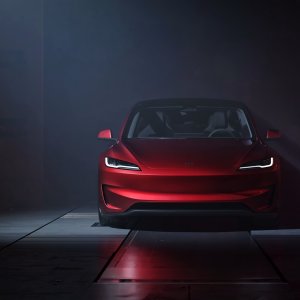
Tesla, which experienced its first annual delivery decline in 2024 due to competition from Chinese automakers like BYD, is positioning its forthcoming low-cost model as a key driver for growth. According to Tesla, the vehicle, set to launch in the first half of 2025, will be built on existing platforms and production lines, marking a departure from earlier plans to develop a new US$25,000 model. While exact pricing details remain unclear, concerns have surfaced about the vehicle’s eligibility for the US$7,500 federal subsidy under the Inflation Reduction Act.
“Tesla’s new low-cost model remains crucial to Tesla's growth plan, even if not to the extent of the prior 20–30% year-over-year target,” said Dan Levy, analyst, Barclays. Tesla aims to achieve a 16% increase in deliveries in 2025, with analysts projecting sales of 2.1 million vehicles, despite ongoing competition in Europe and China.
Additionally, Tesla's updated Model Y crossover SUV and the Cybertruck electric pickup truck, with its distinctive design, are expected to contribute to sales growth. However, analysts caution that the aging lineup of Tesla vehicles in the US market poses challenges for sustained growth.
Tesla’s software, particularly its Full Self-Driving (FSD) system, has become a critical component of its profitability. FSD adoption contributed to higher-than-expected margins in the September 2024 quarter. According to Seth Goldstein, equity strategist, Morningstar, FSD and lower production costs are likely to support Tesla's future profitability.
Parallel to these developments, Musk’s estate planning decisions have drawn attention. Musk, whose net worth exceeds US$400 billion as of December 2024, has stated that he intends to transfer controlling shares of his companies to individuals committed to their missions, rather than to his family.
“This demonstrates to retail investors that the company’s future is being placed in the hands of qualified leaders, rather than being automatically passed down to family members,” said Ryan Burton, founder, Masonboro Advisors.
Burton suggested that Musk might adopt mechanisms like buy-sell agreements or life insurance policies to ensure his family benefits from his wealth without undermining the operational integrity of his companies.
“With the demands of running Tesla, SpaceX, Boring, X, and his government responsibilities, there’s a risk of spreading himself too thin, which could impact his focus on maximizing shareholder value,” Burton added.
You May Like





Most popular








