

Cash Isn’t King Anymore: What Sales Teams Really Value
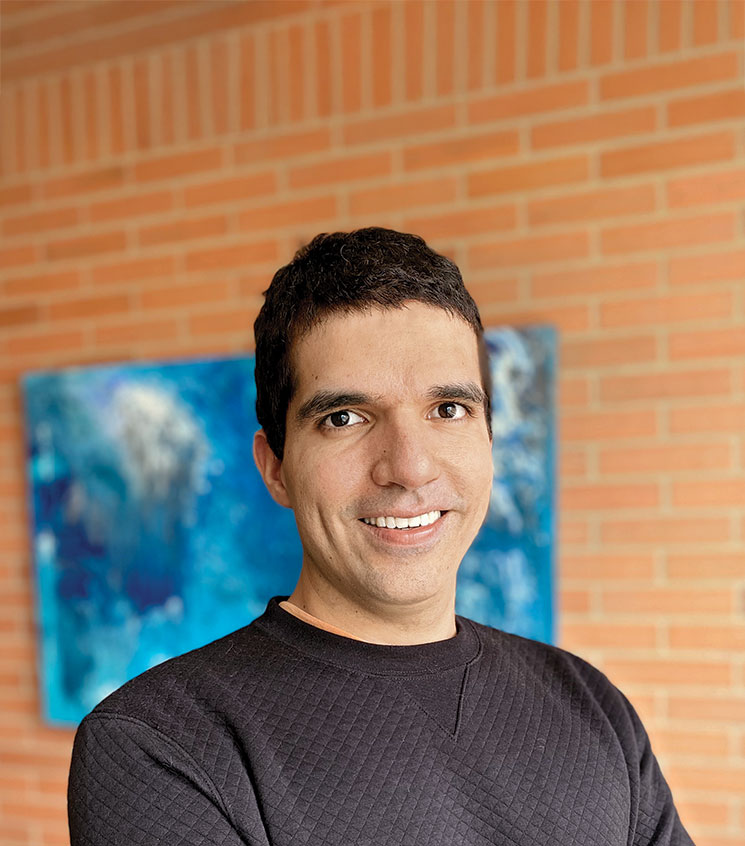



 By Juan Valencia | Country Manager México -
Wed, 06/11/2025 - 06:30
By Juan Valencia | Country Manager México -
Wed, 06/11/2025 - 06:30
For decades, the default answer to motivating a sales team was simple: Offer more cash. Bigger bonuses. Higher commissions. More contests. But today, after working closely with dozens of companies across Mexico and Latin America, I can confidently say: Cash alone is no longer enough.
Sales teams, especially those made up of younger generations and hybrid field forces, are looking for something different. Something more human, more flexible, and more meaningful.
They don’t just want to be paid: they want to be seen, supported, and recognized.
Of course, fair compensation is a baseline. But we’ve entered an era where emotional drivers play a larger role than ever in performance.
In recent internal surveys with commercial teams in retail, pharma, and automotive, the top motivators were:
-
Visibility and recognition among peers
-
Flexibility in how they receive their incentives
-
Real-time feedback and clarity on goal achievement
-
Rewards that connect to their personal lifestyle and preferences
Money is transactional. Recognition is transformational.
Why Cash-Only Bonuses Fall Short
Here’s a critical insight we often share with clients and which comes from psychological motivation theory:
Cash is an immediate motivator, but it’s rarely memorable.
Psychologically, cash bonuses tend to be mentally grouped with salary. Most people use them to pay debts, cover monthly expenses, or simply move on.
The result? The emotional impact disappears quickly. There’s no lasting connection.
Instead, high-performing companies are shifting toward incentives that create memorable experiences and emotional value.
Things like:
-
Personalized rewards based on preference
-
Experiential prizes (travel, events, lifestyle upgrades)
-
Recognition moments tied to identity and purpose
When an incentive feels like something you earned, something chosen for you, its power multiplies.
It’s no longer just a reward — it becomes part of the story the person tells about their success.
What High-Performing Sales Cultures Are Doing Differently
-
They offer choice.
Salespeople are no longer satisfied with one-size-fits-all rewards. High-impact teams allow individuals to choose how they’re rewarded — via points, gift cards, experiences, or recognition moments that matter.
-
They personalize incentives.
Using performance data and behavioral insights, companies now tailor rewards based on real KPIs: frequency of visits, product focus, upselling, or even shelf activation, not just revenue.
-
They use micro rewards to build consistency.
Instead of waiting for quarterly commissions, sales teams are being rewarded in real time with smaller but continuous incentives, keeping motivation high throughout the sales cycle.
-
They connect rewards to identity.
Recognition programs that give visibility within the team, such as badges, leaderboards, or shout-outs, reinforce belonging and healthy competition.
A Real Case From Mexico: Rewarding Smarter, Not Just Bigger
One of our clients, a national distributor with over 600 active sales reps, replaced their traditional “Top 10” monthly bonus with a flexible reward system based on points tied to key behaviors.
What happened?
-
3X increase in rep participation
-
26% growth in average ticket
-
Higher morale and lower burnout, even with no increase in budget
The secret? They didn’t spend more. They just recognized better.
Cash still matters. But connection matters more. In high-performance cultures, the smartest incentive isn’t always the biggest: it’s the one that’s designed with purpose, delivered with relevance, and remembered with pride.
Most popular








