

Digital Rewards, Behavioral ROI, and Mexico's January Reset
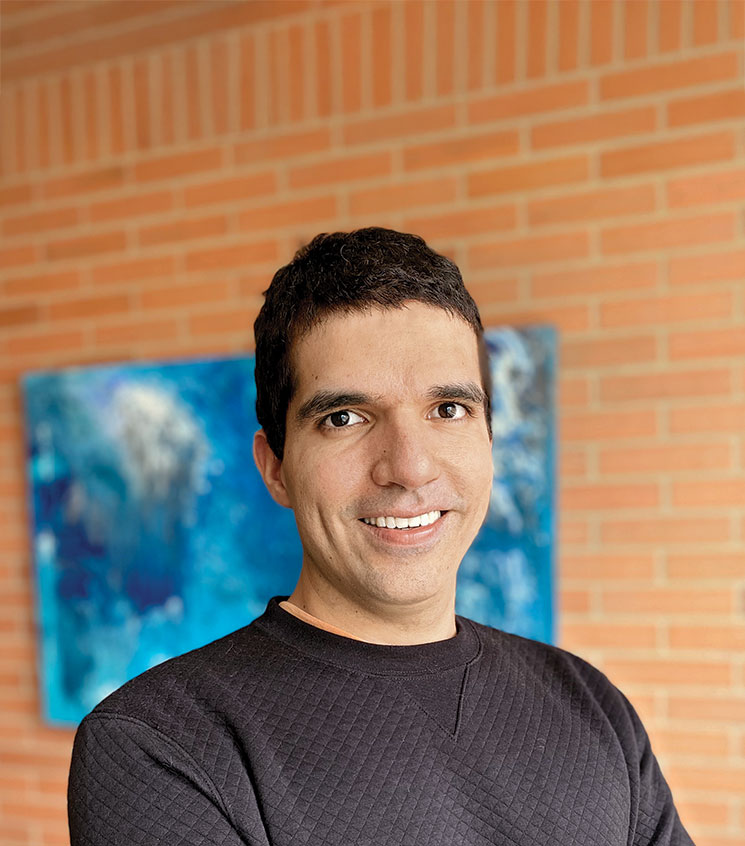


 By Juan Valencia | Country Manager México -
Fri, 12/05/2025 - 07:00
By Juan Valencia | Country Manager México -
Fri, 12/05/2025 - 07:00
Every December, business leaders in Mexico face the same annual paradox: budgets grow for corporate incentives just as attention spans shrink. Teams are tired, planning cycles tighten, and organizations rush to close open loops. Yet, one question remains underexplored in end-of-year discussions: Is motivation a line item to complete, or a strategic lever to preserve?
Companies have treated year-end incentives as punctuation marks — celebratory, logistical, traditional, but often terminal. A thoughtful basket of chocolates, branded notebooks, executive gadgets or holiday mugs can feel appropriate at the moment. But once delivered, these gifts frequently follow one of two paths: “too nice to throw away” and hidden in drawers, or discarded in early spring cleaning. Meanwhile, HR, procurement, and commercial leaders move into January asking again: “Now what?”
The real opportunity, especially in a high-velocity, digitally advanced economy like Mexico, is to reward the behaviors that built the result with incentives engineered to be redeemed, measured, and carried forward — not stored and forgotten.
As we approach 2026, companies winning loyalty, in employees and customers alike, are shifting from transactional end-of-year giveaways to strategic, measurable recognition systems that protect momentum beyond Q4.
1. A Reward Unused Is Waste. A Reward Redeemed Is Momentum
Mexico is living a revolution of digitized commerce: mobile banking, apps, digital wallets, and instant transactions are part of everyday life. But corporate incentives — the one mechanism brands pay people to engage with — have historically moved slower than consumer habits.
Here’s the first mandate of modern recognition: When incentives are not redeemed, they have no motivational value.
A reward redeemed into a brand, an experience, or a Gift Card becomes behavioral residue. It reinforces loyalty, sustains engagement, and — most importantly — protects continuity when the new KPI cycle begins.
A points-powered wallet, a redeemable catalog, or a reward ecosystem that gives people choice, solves the December Trap by design: if it’s valuable, it gets redeemed, not stored.
Key drivers of redemption-first incentives in Mexico:
- People value more what they choose, not what they store.
- Digital points beat physical inventory: no warehousing, packaging, or dispatch fatigue.
- 1 point = 1 peso clarity, and long validity cycles, simplify adoption and perceived value.
2. The 2026 Incentive Shift Mexico’s Leaders Should Test
The companies preserving motivation into January adopt a recognition logic that looks far more like modern loyalty ecosystems than like seasonal gift dispatches.
From: “You hit it, we gift it.”
To: “We track progress, reward behaviors, and extend cycles with choice and traceability.”
This shift centers incentives around three macro-capabilities leaders increasingly demand in Mexico’s boardrooms:
Flexibility: Incentives that adapt to individual preferences.
Operational efficiency: Logistics collapse via digital allocation.
Traceability and data: Redemption insights, dashboards, and behavioral ROI.
Emerging best practices shaping year-end incentives across Latin America, and especially scalable in Mexico:
- Micro-rewards triggered by progress, not only by final KPIs.
- Gamified challenges to drive engagement into seasonal sales peaks.
- Redeemable point wallets or catalogs instead of physical gifts.
- Emotional ROI measured via redemption metrics, not assumed sentiment.
- Long validity cycles (up to two years) to preserve motivation into future commerce dates.
- Dashboards tracking engagement, not logistics burden tracking invoices.
3. January Shouldn’t Start From Zero — Motivation Cycles Must Survive the Reset
Most firms close incentive spend in December believing the recognition job is done. But the truth is that January is not a new beginning for motivation — it is a continuation of behaviors that were or were not incentivized last quarter.
The Continuity Playbook leaders should architect instead:
- Reward the behaviors that shaped the results (frequency, consistency, initiative, early pressure endurance).
- Give teams liquidity (points, flexible wallets, or redeemable catalogs) instead of inventory.
- Measure redemption rates as a KPI of the incentive itself.
- Protect validity into the next 8 seasonal commerce peaks relevant to Mexico’s economy (Reyes, Valentine’s Day, Buen Fin, Mother’s Day, etc.).
- Maintain brand engagement into future planning cycles, not conclude it after the ceremony photo. Because:
The most valuable incentive in Mexico is not the most Instagrammable, it’s the one that keeps influencing retention, sales, or cultural engagement beyond the January reset.
4. Procurement Leaders: The Best Corporate Rewards Are Redeemed, Not Archived
Mexico’s procurement teams know this cycle too well: Q4 budgets get spent on corporate gifts, dispatch logistics, packaging, and storage overhead, but never on post-delivery motivation tracking.
That’s changing. Modern incentive design argues an undeniable business case:
- Procurement gains when incentives move from physical gifts to redeemable points or wallets:
- Up to 90% reduction in logistics and packaging waste
- Zero warehousing and storage needs
- Single system budget allocation instead of multi-vendor year-end buys
- Immediate allocation, immediate use
- Traceability dashboards guiding 2026 planning
- Motivation residue that survives the January KPI reset
A physical gift may deliver a moment. A redeemed point incentive can deliver measurable liquidity.
5. Marketing Leaders: Build Incentives That Fuel Tagged Visibility, Data, and Behavior Loops
Mexico’s marketers increasingly operate like product leaders: optimizing funnels, dashboards, user segments, CAC, ROAS, loyalty ratios, and automation flow. Corporate incentives must now meet modern marketing fluency too.
What marketers close the year adopting redeemable incentive wallets gain:
- Higher redemption rates (a better emotional ROI).
- Brand tagging visibility for future digital campaigns.
- Measurable lifecycle engagement dashboards.
- Performance media engines instead of logistics invoice engines.
- Motivation cycles that move seamlessly into 2026 planning priorities.
Because again: Incentives are the only marketing mechanism companies pay users to engage with — they should be treated like strategic media, not logistics fatigue.
6. Hitting Targets Isn’t the New Story — How Teams Got There Is the Real Behavior to Reward
Mexico’s leaders often ask what was achieved. But the emergent narrative now scaling recognition at enterprise level is asking instead:
- Who endured the highest pressure cycles early?
- Which behaviors made Buen Fin results possible?
- Which team spikes from September saved December closure?
- Who adopted new workflows before they were rewarded?
A behavioral incentive ecosystem recognizes: initiative, consistency, early pressure endurance, loyalty-forming micro-moments, seasonal commerce alignment
Recognize the urgency? Yes. But reward the thermodynamics of effort too.
7. 2026 North Star for Year-End Incentives in Mexico
If leaders adopt one recognition lesson into 2026 planning, it should be this: A successful year-end incentive is not the one people remember in photos — it’s the one that keeps influencing behavior when the next KPI cycle begins.
The 2026 Mexico Incentive Checklist:
- Reward behaviors, not only the final arithmetic.
- Give teams choice-powered liquidity, not inventory.
- Protect validity cycles beyond January resets.
- Track redemption as a KPI of incentive impact.
- Collapse logistics fatigue into strategic media.
- Let rewards become measurable engagement engines for finance, marketing, procurement, and HR alike.
- Design motivation cycles that reinforce next seasonal sales peaks or cultural engagement loops relevant in Mexico.
- Build incentives that don’t clean out in spring — they get redeemed into cycles of loyalty that work through 2025 and 2026.
Strategic incentives should fuel continuity, not conclude it. In Mexico’s high-velocity commerce economy, corporate reward frameworks must evolve into redeemable behavioral liquidity systems capable of:
- protecting momentum
- reinforcing seasonal commerce peaks
- and transforming the emotional salary into a measurable business KPI
Because: December gifts are easy. Strategic recognition is what changes January — and the rest of 2026.
Most popular








