

Legacy January: A 90-Minute Audit to Get Everything in Order



STORY INLINE POST







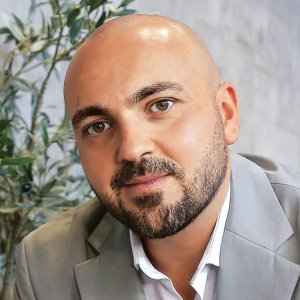 By Miguel Farrell | CEO -
Fri, 01/09/2026 - 07:30
By Miguel Farrell | CEO -
Fri, 01/09/2026 - 07:30
Some conversations aren’t urgent, until they are, especially those around death. This isn’t about control, it’s about care. Not about rushing, but about responsibility. If you want to start the year right, begin a gentle talk with your parents, family, and yourself, using three simple questions. Then turn that dialogue into a 90-minute audit that puts the essentials in order.
-
“If something happens tomorrow… who do I call first?”
Write down two contacts with name, relationship, and phone. -
“Where are your important documents?”
IDs, policies with updated beneficiaries, will/powers of attorney, logins/passwords, accounts, and subscriptions. -
“What decision do you NOT want me to improvise?”
Health and ritual preferences, custodians for dependents/pets, and financial actions for the first 7 days.
How to keep it frictionless: Propose a short chat (15–20 minutes), no dramatics, and take shared notes. Store them in an agreed place (physical folder + digital vault) and inform the person of trust. Review it once a year. Also apply it to yourself: leave these answers in writing for the people who love you (or share this article so the message does the work). Opening the conversation is an act of love and responsibility.
Why January (and Why Now)
January brings budgets, benefits, and an urge to get organized. It’s the ideal time to turn planning into an annual ritual, like buckling your seatbelt before driving. Also, the deathtech category — the intersection of afterlife, end-of-life, and insurtech — will see greater exposure and traction in 2026, driven by demographics (aging and cross-border families), digitalization (e-signature, encrypted vaults, blockchain), and institutional efficiency (more digital products; it may be the moment for the digital will). Let’s use the momentum.
The 90-minute audit (actionable checklist):
Block 1 — People (20 minutes)
-
Person of trust/executor: name them today and share a brief “where everything is” overview.
-
Emergency contacts: two names with phone numbers and relationship.
-
Pending messages: if you wish, leave a brief posthumous message (audio/video/notes).
Block 2 — Papers and access (40 minutes)
-
Updated beneficiaries: banks, policies, funds, pension/retirement plans.
-
Critical documents: IDs, will/powers, policies, deeds/contracts (physical location + digital copy).
-
Logins and digital assets: password manager, accounts and subscriptions, wallets/digital assets; what to cancel/what to keep.
-
Practical instructions: custodians for dependents and pets; business continuity (if applicable).
Block 3 — Protections (30 minutes)
-
Immediate cushion: inheritance insurance + funeral cover with correct beneficiaries.
-
Minimum wishes: rituals, donations, “what not to improvise.”
-
Annual review: set a calendar date (next January).
“What you don’t decide, someone else pays for—in time, money, and emotional health.”
Where Technology Comes In
This is where deathtech stops being a buzzword and becomes operability: fewer court visits, fewer lost assets, fewer family fractures.
-
E-signature and blockchain for integrity, traceability, and secure access.
-
Legacy platforms: a single “hub” where your plan lives (not a dozen loose folders).
-
Embedded coverage (inheritance + funerals) connected to your plan.
-
Post-mortem identity and access: protocols for accounts, digital assets, and subscriptions.
-
Pet funerals/cremation, care for dependents, “what to do now” guidance.
-
Careful use of NFTs (when culturally and legally sensible) to certify and preserve certain memories or digital legacies.
In Mexico, Past Post brings these solutions into one place: digital last wishes (wants, documents, and messages), up-to-date beneficiaries, inheritance insurance + funeral cover, access safeguarded with encrypted vaults and blockchain, and a clearly named person of trust. Spanish-first, culture-first.
Organizational Culture: Micro-Drills That Care for Your People
January is benefits and compliance season. Adding 15–20 minute micro-drills, once or twice a year, reduces time off for unexpected paperwork and improves team well-being.
-
Who to call: template with 2 contacts + HR/Security channel.
-
Map of critical documents: where they are (physical/digital), who can access them, and how to retrieve them.
-
“Do not improvise” list: basic wishes (health/rituals), custodians, financial actions during the first seven days.
-
Close: confirm the person of trust and review beneficiaries.
This doesn’t replace legal work, it makes it operable. It’s the planning seatbelt.
Before vs. After: What Changes When You Do It
Without a plan: scattered papers, outdated beneficiaries, lost passwords, hearings, and weeks without access to critical accounts.
With a plan: a digital last-wishes center, beneficiaries up to date, inheritance insurance + funeral cover ready to activate, access, and custodians defined. Result: less time at counters, less lost wealth, less family tension.
Mexico and Spanish-Language Leadership
With Día de Muertos as a cultural backdrop, NOM-151, and strong tech talent, Mexico can accelerate a Spanish-first deathtech hub: edutainment to change the conversation, secure legacy platforms, and insurtech for embedded solutions. From here, it’s possible to export model, technology, and narrative across the region.
We’re not chasing perfection, we’re making a choice. The empathetic conversation and the 90-minute audit aren’t solemn or technical: they’re human, repeatable, and enough to put you years ahead of the average.
Planning isn’t dying. It’s caring for those who stay.
Legacy isn’t written once, it’s updated every January.
You May Like







Most popular








