

Antifragility: How to Thrive in a Changing Mexico





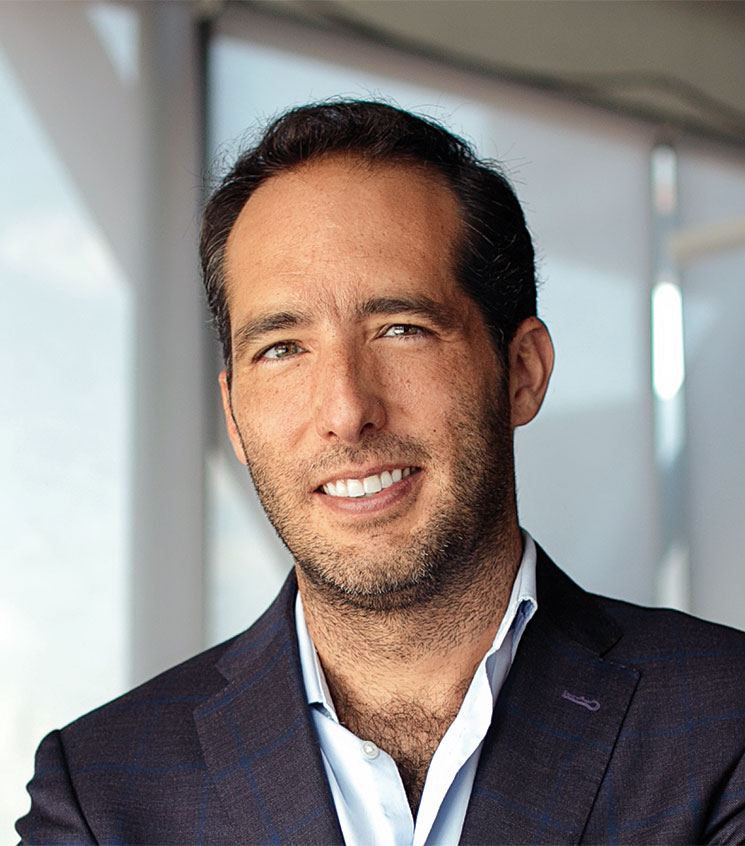 By Ian de la Garza | CEO -
Thu, 09/19/2024 - 12:00
By Ian de la Garza | CEO -
Thu, 09/19/2024 - 12:00
In a world where the only constant is uncertainty, the concept of antifragility becomes essential for any company that aspires not only to survive but to thrive. Antifragility is a term popularized by Nassim Nicholas Taleb, considered one of the most brilliant and influential minds of our time. The concept refers to the ability of a system to strengthen and improve in response to stress, chaos, and volatility. While resilience is content to withstand blows without changing, antifragility goes one step further, using those blows to grow and evolve.
In 2024, this approach is more crucial than ever. Although I address it here from the perspective of renewable energy in Mexico, the concept of antifragility has global applications, especially in a volatile economic and political environment where uncertainty is constant. For senior executives, being conservative is no longer a safe option; it is, in fact, a recipe for obsolescence. This article aims to inspire business leaders to embrace antifragility by taking calculated risks, innovating, and diversifying to turn uncertainty into a competitive advantage.
Current Economic Context
In the third quarter of 2024, the global and Mexican economic environment is undoubtedly complex. Globally, we have seen a slight economic recovery following recent difficulties with high levels of inflation, but this is overshadowed by political uncertainty and geopolitical tensions, including conflicts between Russia and Ukraine and in the Middle East. In Mexico, the victory of the Morena party in the presidential election has raised concerns about ongoing constitutional reforms that could affect public finances and the country’s institutional framework and rule of law. These concerns, whether materialized or not, are holding back foreign investment and, therefore, projected economic growth.
In Mexico, although GDP growth of 2.2% is projected for 2024, significant challenges persist. Infrastructure, especially the lack of energy, and security are areas that require substantial improvements for the country to fully capitalize on nearshoring opportunities. Despite investment announcements related to the relocation of operations, only 60% of these projects have progressed, reflecting that Mexico’s structural difficulties significantly affect the potential of our geographic position.
In summary, although there are signs of recovery and investment opportunities, political uncertainty and structural problems continue to be significant challenges for growth in both Mexico and other emerging markets during 3Q24.
Energy as an Antifragile Strategy
In a volatile environment, renewable energy presents itself as a strategic opportunity for companies to secure long-term competitiveness.
Adopting innovative energy technologies is key for companies to mitigate supply risks and position themselves as leaders in sustainability and efficiency. For example, solutions like energy storage from companies like ON Energy, Quartux, and Tesla, allow energy to be stored during periods of low demand or reduced costs, then used when prices rise or supply is unstable, thus adding a critical layer of energy resilience.
Additionally, innovative investment models like RenovaFund and Finsolar’s ExpandSolar offer companies the financial flexibility needed to implement energy projects without using capital. Through power purchase agreements (PPAs) and financing structures (TAX Equity), companies can access clean energy while multiplying their cash flow.
Traditional electrical supply solutions face increasing limitations, especially in a context of regulatory uncertainty, rising energy demand, and distribution networks struggling with capacity and maintenance issues. The inherent inflexibility of conventional energy sources exposes companies to price volatility, supply disruptions, and regulatory changes, underscoring the need for a more integrated approach.
A diversified energy mix that combines supply, advanced storage, local and remote distributed generation will enable companies to optimize their costs and control their energy more effectively and accelerate their progress toward emission reduction goals, thus consolidating their antifragility strategy.
Case Studies: Companies that Have Embraced Antifragility
To understand how companies can embrace antifragility in practice, I want to provide some examples of organizations that have turned uncertainty into a strategic advantage.
Tesla: Building a Future With Superchargers
Tesla, under the leadership of Elon Musk, is a classic example of how a company can use uncertainty and chaos to its advantage. When Tesla began developing its supercharger network, the idea of building its charging infrastructure seemed risky and expensive. However, this decision allowed Tesla not only to solve a fundamental logistical challenge for its electric vehicles but also to create a unique competitive advantage.
Tesla’s supercharger network not only supports the growing demand for electric vehicles but also strengthens over time as it expands and improves. Each new charging station increases the convenience and confidence in Tesla vehicles, making the company more resilient to market changes and better able to thrive in an uncertain environment.
Netflix: Transformation and Adaptability
Netflix began as a DVD rental service by mail, but instead of sticking to a business model that was destined to be overtaken by digital technology, the company completely reinvented itself by moving to streaming in 2007. This change allowed Netflix to get ahead of the competition and lead a new era in the entertainment industry.
Additionally, Netflix took another calculated risk by investing in original content, starting with “House of Cards” in 2013. While most streaming services relied on licensed content, Netflix decided to control its own destiny by creating and distributing original content. This decision not only protected the company from losing streaming rights but also strengthened its brand and differentiated it in a saturated market.
Netflix has demonstrated an exceptional ability to adapt to changes in consumer preferences and market conditions. Its antifragile approach, which combines constant innovation and a willingness to take risks, has allowed it to thrive even as the entertainment industry has been shaken by technological and cultural changes.
First Hand: Finsolar and Antifragility
At Finsolar, we have also embraced an antifragile mindset from our inception. Founded during particular crises, such as the COVID-19 pandemic and regulatory uncertainty in the energy sector in Mexico, Finsolar has integrated innovation, adaptability, and continuous improvement into every aspect of our business. Our mission is clear: to accelerate the country’s energy transition through innovative financing and investment solutions for companies.
One of the best examples of our antifragile strategy is the development of the ExpandSolar model. This remote distributed generation model was created in response to the slowdown in central generation and the limitation of distributed generation to only 500kWp. Instead of viewing these restrictions as obstacles, we saw them as an opportunity to innovate and offer companies the same benefits they would obtain from a central plant, but through multiple smaller systems distributed across various off-takers.
Practical Steps to Adopt an Antifragile Mindset
Adopting an antifragile mindset requires a willingness to experiment, take calculated risks, and learn from mistakes. Here are some practical steps that both senior executives and entrepreneurs can take to begin this journey:
1. Strategic Diversification:
- Do not rely on a single product, service, or market. Diversification will allow you to adapt more quickly to changes in the environment and mitigate risks.
2. Continuous Innovation:
- Foster a culture of innovation in your organization. Experiment with new technologies, business models, and processes. Not all initiatives will succeed, but every attempt is a learning opportunity.
3. Education and Training:
- Educate your team about the concept of antifragility and how to apply it. Recommend reading “Antifragile,” by Nassim Taleb, and organize workshops or training sessions to explore these ideas.
4. Startup Mindset:
- Even if your company is large, maintain the agility and flexibility of a startup. This means being willing to pivot when necessary and avoiding getting trapped in rigid structures.
5. Strengthen Your Network:
- Antifragility is social. Build and maintain a strong network of partners, associates, and investors. In times of crisis, these connections can be vital for finding new opportunities and solutions.
The Opportunity in Uncertainty
In a world where uncertainty is the only constant, adopting antifragility is not just an option but a necessity for any company that wants to stand out. The risk of doing nothing is greater than that of taking action. In an environment full of challenges, antifragility offers a framework for turning chaos into growth and uncertainty into a competitive advantage.
Leaders who embrace this approach will be better prepared to face the current context and will find themselves in a unique position to capitalize on the opportunities that arise. At Finsolar, we have seen firsthand how an antifragile mindset can transform obstacles into opportunities, and we believe this is the path to a more resilient, innovative, and prosperous future.
It is time to act, to take those small risks that can elevate our companies to a new level of resilience and, eventually, antifragility.

Most popular








