Debt a Strategic Tool for Financial Growth


STORY INLINE POST




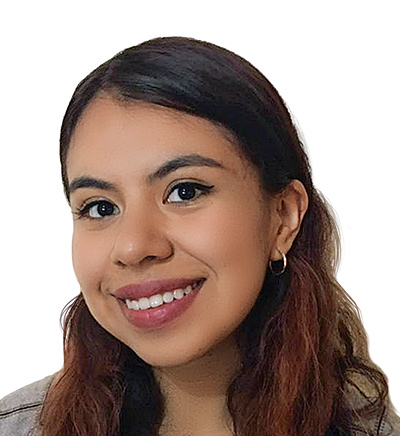 By Paloma Duran | Journalist and Industry Analyst -
Mon, 12/02/2024 - 15:46
By Paloma Duran | Journalist and Industry Analyst -
Mon, 12/02/2024 - 15:46
Q: What challenges must be overcome to increase financial education in Mexico?
A: One of the key challenges is ensuring equitable access to financial education from an early age. While urban areas like Mexico City benefit from a greater concentration of financial institutions and educational resources, rural and marginalized communities have limited access to these opportunities. This disparity highlights the need for more inclusive financial education efforts. Another pressing concern is the widespread issue of financial stress. Recent reports indicate that 7 out of 10 Mexicans experience some form of financial stress. This challenge is not only due to a lack of financial knowledge, but also to underlying behavioral factors that hinder individuals' ability to make informed financial decisions.
Q: What would be the ideal age to start teaching children about financial education?
A: Financial education should ideally begin in early childhood, around the age of three. While this may seem early, research indicates that by this age, children are beginning to develop the key cognitive and socio-emotional skills necessary for understanding basic financial concepts, such as value, exchange, and delayed gratification. Early cognitive development plays a critical role in shaping the learning capacities that will support future educational endeavors. Just as we prioritize teaching language skills from an early age, financial education should also begin early. This education will equip children with essential knowledge, while fostering the development of responsible financial behaviors that can have a lasting impact throughout their lives.
Q: Which demographics is Citibanamex’s financial education program targeting?
A: Citibanamex launched this financial education program over 20 years ago, when there were few initiatives of this kind in Mexico. At the time, our efforts were directed at the general population, as there was a significant need for basic financial knowledge across all demographic groups. However, the landscape has evolved and more programs have emerged, so we have taken a targeted approach. We now place a strong emphasis on youth, particularly those getting their first financial products. This stage is pivotal in shaping an individual’s financial behavior, and our goal is to equip young people with the tools they need to make informed financial decisions early in life. We also continue to serve other key demographics, including adults nearing retirement, schoolchildren, and individuals in rural areas.
Q: What goals does Citibanamex have for the future of financial education in Mexico?
A: We are committed to enhancing our financial education initiatives by incorporating technology to reach a wider audience. Our online platform has successfully connected millions, both in Mexico and internationally. While we value the potential of digital tools, we believe in-person workshops are crucial for providing in-depth learning and true financial empowerment. To support this, we have established dedicated education centers that offer personalized, hands-on training to ensure individuals gain a thorough understanding of financial concepts.
Q: What distinguishes Citibanamex’s financial education initiatives from those of other financial institutions in Mexico?
A: We do not perceive other banks or financial institutions as competitors; we actively collaborate with them through the Financial Education Committee within the Mexican Banking Association. In Mexico, 26 financial institutions are running their own financial education initiatives. The collective goal is not to compete, but to enhance awareness and ensure wide access to financial knowledge. We actively participate in national initiatives such as National Financial Education Week and the Financial Education Congress, which bring together various stakeholders to exchange insights and best practices. The ultimate goal is to make financial education accessible to as many individuals as possible, and we view the expansion of these programs as a positive development for the nation’s economic well-being.
Q: Why did the recent MoneyFest event, sponsored by Citibanamex, focus on debt?
A: Debt has gained relevance, especially as Mexico rebounds from the economic impact left by the COVID-19 pandemic. During the crisis, many individuals turned to credit for financial survival, but unlike previous downturns, we did not witness a major surge in overall indebtedness. Instead, there has been a shift in how Mexicans view and manage debt. Many are using credit more carefully, often to acquire assets or finance essential purchases. This year, we are focusing on helping individuals manage debt responsibly, stressing that debt is not inherently negative. When leveraged strategically, it can be a powerful tool for financial growth.
Q: What recommendations would you give to potential investors considering the climate of uncertainty affecting Mexico and the United States?
A: It is always a suitable time to invest, as long as one makes informed decisions about where to invest. While many may think that economic uncertainty calls for avoiding investments, crises often create opportunities to acquire assets at lower prices. When the economy recovers, these investments typically increase in value, leading to potential profits. The key is conducting thorough research and making informed decisions, with events like MoneyFest providing valuable insights into various investment opportunities.
Q: What role should the government play in advancing financial education in Mexico, and what further activities are necessary to strengthen this field?
A: The government has been crucial in advancing financial education in Mexico, particularly through the National Commission for the Protection and Defense of Users of Financial Services (CONDUSEF). Financial education has become a key component of Mexico’s national financial inclusion policy. The new administration is expected to continue supporting these initiatives, as financial literacy is recognized as essential for economic stability and personal well-being.
A crucial step would be incorporating financial education into the national school program, making it a foundational subject from an early age. Introducing standardized certification for financial educators would also ensure the quality, accuracy, and credibility of programs, reducing the risk of misinformation. Finally, fostering ongoing collaborations between the public and private sectors is essential for broadening access to financial education across all segments of society, and for scaling efforts nationwide to create a financially literate population.
Q: What challenges lay ahead for the field of financial education?
A: The financial landscape is becoming increasingly complex due to rapid technological advances and a growing range of financial products. Financial education programs will need to adapt to these shifts and equip individuals with the tools to navigate a more digital and sophisticated financial environment. Investors should always strive to fully leverage the wealth of information available. Financial education has never been more accessible, and now is the time to begin building financial knowledge. Financial stability is a continuous journey, and with time, effort, and consistent learning, the rewards will be significant. Financial education is not only about managing money, but also about laying a strong foundation for a more secure future.
|
Citibanamex’s Financial Education initiative has been fostering financial literacy since 2004, with the goal of enhancing individuals' quality of life through greater financial awareness and knowledge. |
You May Like






Most popular