

Your Worst Enemy in Investing? It Might Be You







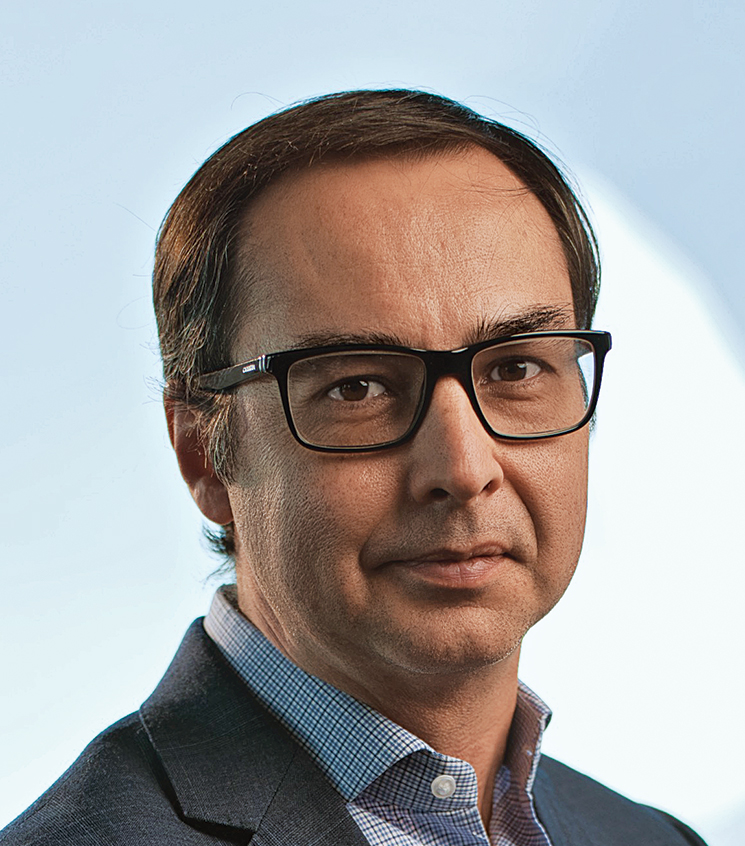 By Luis Felipe Madrigal Mier y Terán | Director GBM Advisors -
Fri, 07/11/2025 - 08:30
By Luis Felipe Madrigal Mier y Terán | Director GBM Advisors -
Fri, 07/11/2025 - 08:30
Mexico’s investment culture is booming. In just over three years, the number of investment accounts has skyrocketed by more than 1,800%, according to the CNBV. More people than ever are stepping into the world of investing — a promising sign that Mexicans are taking charge of their financial futures.
But with opportunity comes risk. Many of these new investors are navigating the markets alone, often without the tools, experience, or emotional discipline needed to succeed. And while digital platforms have made investing more accessible, access doesn’t guarantee results.
The real challenge isn’t finding where to invest, it’s staying on track. Behavioral mistakes like panic selling, overconfidence, or following market fads can quietly erode years of progress. This is where a financial adviser becomes essential, not just to guide investments, but to protect investors from themselves.
1. Herding and the Fear of Missing Out (FOMO)
This is the tendency to follow the crowd, buying an asset simply because everyone else is buying. Fueled by social media and sensationalist headlines, investors often pile into a "hot" stock, cryptocurrency, or theme at the peak of its hype cycle. The mistake is obvious: they buy high, driven by emotion rather than fundamentals. The consequence is just as predictable: When sentiment shifts and the bubble bursts, these investors are often the last to sell, locking in substantial losses.
A financial adviser acts as a rational anchor in a sea of market noise. Their role is to ground the investment strategy in the client's unique financial goals, time horizon, and risk tolerance, not in what’s trending on the internet. By enforcing a disciplined, data-driven approach, an adviser ensures that portfolio decisions are deliberate and strategic, not reactive and speculative.
2. Loss Aversion: The Amplified Pain of Loss
Psychologically, the pain of losing US$100 is far more potent than the pleasure of gaining US$100. This is loss aversion. For the solo investor, this bias manifests in two classic mistakes: holding onto losing investments for far too long in the hope they will "come back," and selling winning investments too early to "lock in" a gain. This behavior leads to a portfolio of small winners and large, lingering losers, which systematically drags down overall performance.
An adviser helps neutralize this emotional response by implementing a structured, unemotional framework for decision-making. This can include setting predetermined rebalancing rules or stop-loss orders. More importantly, the adviser acts as a behavioral coach, providing the objective perspective needed to cut losses when strategically necessary and let winners run, preventing emotions from dictating portfolio management.
3. Overconfidence and the Illusion of Control
A few successful trades can make a novice investor feel like a market wizard. This overconfidence leads to one of the most fundamental errors in investing: a lack of diversification. Believing they have a special insight, the investor concentrates their capital into a handful of assets they "know" will perform well. They are, in the classic sense, putting all their eggs in one basket.
The consequence is the assumption of catastrophic risk. If one of their concentrated bets fails, it can wipe out a significant portion of their wealth. A financial adviser’s primary duty is to protect against this. They build robust, diversified portfolios across various asset classes, geographies, and industries. This diversification not only mitigates risk but also enhances the potential for stable, long-term returns by ensuring the portfolio isn't overly exposed to the fate of a single company or sector.
4. Confirmation Bias: Seeking Comfort Over Truth
Humans have a natural tendency to seek out and favor information that confirms their existing beliefs, while ignoring or dismissing contradictory evidence. An investor who is bullish on a particular stock will avidly consume positive news about it while brushing off warning signs or negative analyst reports. This creates an echo chamber that reinforces their initial thesis, leading to a skewed and overly optimistic view of the investment.
The consequence is a dangerous blind spot. The investor fails to properly assess risk and may ignore critical red flags until it is too late. Financial advisers serve as an essential circuit breaker for this bias. They bring a 360-degree, objective viewpoint, supported by professional research, data, and competing analyses. They play the crucial role of devil's advocate, challenging the investor's assumptions to ensure that decisions are well-rounded and based on a complete picture, not a one-sided narrative.
The rise of retail investors in Mexico is a powerful step forward, but it’s only the beginning. Investing is not just about chasing returns, it's about building a life. And far too often, investors unknowingly sabotage their own progress through emotional decisions and unconscious biases.
Without a trusted adviser, the greatest threat isn’t market volatility, it’s the investor’s own behavior. FOMO, panic, overconfidence, and denial quietly chip away at wealth, turning long-term plans into missed opportunities. These missteps don’t just hurt portfolios, they delay or destroy dreams: a secure retirement, a child’s education, the freedom to live life on your own terms.
That’s the true opportunity cost of going it alone.
Financial advisers are not just experts in markets, they are coaches in discipline, clarity, and resilience. Their role is to keep you anchored, focused, and protected from the very instincts that derail success. In a world overflowing with information but lacking wisdom, having someone in your corner is no longer a luxury, it’s a necessity.
Investing with guidance isn’t just smarter, it’s the key to unlocking your goals and building lasting wealth with confidence.
You May Like






Most popular








