

Aries Advances Occupational Health With Laboratory Services
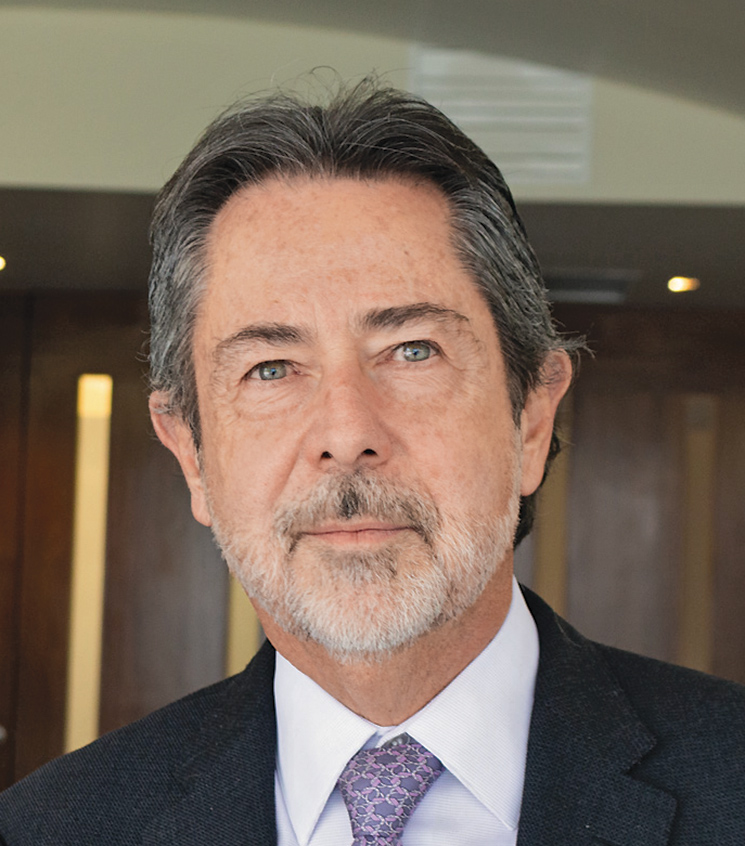


STORY INLINE POST



Q: What role have diagnostic laboratories assumed considering the growing trend of self-care?
A: Laboratories used to be more closely associated with a specific doctor or chemical lab. Also, much of the focus was on upgrading equipment and systems. Over the past 10 years, however, laboratories have seen major growth driven by a market that was not as institutionalized or as in-demand as it is now. Upon realizing these opportunities, many chains of laboratories began to expand, with some institutions modernizing while others were left behind.
The COVID-19 pandemic made people more conscious of their health and the importance of prevention at every age. Environmental factors are increasing our vulnerability to various health issues, such as respiratory and cardiac problems, which require greater preventive care. Laboratories now play a more critical role in healthcare than ever before, driving growth in certain laboratory chains. This growth has led laboratories to continually seek better ways to serve patients, including investing in faster systems, advanced instruments, well-trained staff, and better customer service, all at a price point that is accessible to most people. The Mexican healthcare system remains largely out-of-pocket, and while major medical insurance can cover some expenses, it often does not include laboratory services, which is a serious issue.
Q: Why did Grupo Diagnóstico Aries choose to maintain separate brands instead of integrating them into a single one?
A: We have purchased the most prominent brands in major cities across the country. Changing an established, successful brand in a particular area would be very difficult, however, so we chose not to replace these well-known images with new ones that have no recognition.
Instead of dealing with the internal challenges of creating a single, standardized system for operations, including front-end management and laboratory processes, we decided to continue with multiple brands. While this approach is more complex, given that we are acquiring companies with different cultures, systems, and equipment, it has proven highly successful due to the loyalty each brand has cultivated in its community.
One of our brands, Biomédica de Referencia, is a key player serving a specific demographic with top-tier laboratory and imaging services, including double reviews to ensure higher quality, even at a higher cost. Meanwhile, we also have more accessible brands, such as Laboratorios Azteca, which serve other market segments with similar quality, though without a second review.
Currently, we are entering Queretaro with our own brand, Olab. We could not acquire a local brand in that region, so we are testing our brand instead. If successful, we will expand organically to other states. If not, we will continue acquiring brands and integrating them into our network. The goal is to make healthcare services more accessible to the general population.
Q: What are your views regarding competition in the market?
A: We can purchase much more cheaply than a business with 10 or 12 locations because we have 380 branches. As a result, negotiations with suppliers, whether for chemicals or imaging services, are far better than those of a small business. Savings can be 20%, or even more. Additionally, we benefit from a more structured approach to reaching local customers with better products.
Without a doubt, the future belongs to large groups like ours. Smaller businesses will not be able to achieve the same cost reductions of between 20% and 30%, nor will they have the same access to CAPEX. They simply cannot purchase equipment at the prices we can. Raw materials are also sourced at the same prices we negotiate, thanks to our volume. The purchasing power and capacity of a group of this size allow us to serve customers quickly, no matter where they are.
Q: What strategies are being implemented to ensure accessibility to advanced diagnostic services?
A: There is significant potential in Mexico's metropolitan area to expand and improve healthcare coverage. The strategy involves creating main facilities with full capabilities supported by smaller satellite locations to provide comprehensive care. This ensures that advanced services like MRIs and basic tests are accessible to patients locally.
Many laboratories risk falling behind due to outdated conditions and insufficient technology. Service and quality are top priorities in this sector, emphasizing the importance of advanced equipment, high-quality materials, and excellent care. While some clients choose based on price, the focus remains on delivering superior service and quality.
Q: How is your organization adapting to the growing trend of genomic medicine, and what role do strategic partnerships and advanced technologies play in this transition?
A: We have formed strategic alliances, such as with Veritas, for specific types of tests. We initially seek partnerships until a test generates enough volume to develop it in-house, and we bring these tests to the market ourselves. Additionally, we collaborate with major international laboratories like Mayo Clinic, which allows us to leverage these alliances to offer the best solutions. For tests we cannot process locally, we have systems in place to send and receive them efficiently.
Q: What is the company's approach to occupational health, and how can businesses benefit from your solutions?
A: Occupational health refers to providing companies with the necessary healthcare services for their employees and collaborators to ensure compliance with labor regulations and maintain a healthy workforce. This process begins during the hiring stage, with assessments such as vision tests for individuals operating machinery, for instance. Ensuring a safe environment helps prevent accidents and reduce insurance costs.
Having access to the medical records of employees is crucial to ensure regulatory compliance and mitigate future risks. This approach not only lowers insurance premiums but also helps with maintaining high health standards in the workplace. Once a company has its health and safety systems in place, it can negotiate better insurance terms and ensure the well-being of its staff.
Our mobile lab services provide companies with on-site medical services, including specialized testing and consultations. We offer a comprehensive assessment of employee health, identifying conditions like diabetes or heart disease, and tracking health trends across genders and age groups. Our platform allows businesses to manage the medical records of their employees efficiently, providing valuable insights into overall health trends and potential risks.
With industrial parks, for example, we provide comprehensive occupational health services for all companies in the park, maintaining individual health records for employees and providing aggregated data for the entire workforce. This model helps companies manage employee health more effectively and cost-efficiently, offering services at competitive rates compared to leading hospitals.
Q: What initiatives are you currently pursuing to advance your digital transformation?
A: We are launching an application to enhance growth, not just by expanding volume or opening more branches, but by entering a more technological realm. The focus is on providing reliable testing without risking inaccuracies due to expiration or mishandling during shipping. Today, the emphasis is on comprehensive health assessments, ensuring accuracy and trust in diagnostics.
The application will serve two key roles: one for the patient or client and another for the doctor, provided the patient authorizes data sharing. This will allow doctors to access critical health information, including compatibility insights, enhancing the quality of care. Additionally, the application ensures data privacy and security through robust cybersecurity measures, giving patients confidence that their personal information is protected.
Q: How will your financial experience support your leadership in Grupo Diagnóstico Aries?
A: Branch management is critical, requiring extensive controls, processes, and organization. We have implemented systems to monitor daily cash flow branch by branch, inventory levels, and operational control. With this foundation in place, growth becomes a matter of strategy, expanding branches wherever needed, leveraging the brand, and maintaining consistency in operations.
Equally important is marketing and managing personnel. Surrounding yourself with the best people is essential: people who are dedicated, passionate, and willing to grow. If they lack certain skills, we focus on training them, as excellence in service is non-negotiable.
Grupo Diagnóstico Aries (GDA) is a leading player in clinical diagnosis and imaging services in Mexico. It offers a broad portfolio of solutions that focuses on innovation, quality, and state-of-the-art technology.
You May Like





Most popular








