

Collaboration Can Improve Access to Innovative Treatments




STORY INLINE POST







 By Sofía Garduño | Journalist & Industry Analyst -
Mon, 07/01/2024 - 14:13
By Sofía Garduño | Journalist & Industry Analyst -
Mon, 07/01/2024 - 14:13
Q: Eli Lilly has over 80 years of experience in Mexico. How does the Mexican market compare to the broader Latin American region for Eli Lilly?
A: Mexico is one of the most crucial countries in the region, as it accounts for 80% of our Latin America business along with Brazil. We aim to achieve double-digit growth and launch two innovative products per year. The company's commitment in Mexico is substantial, not only at the regional level but also on a global scale. In some therapeutic areas, Mexico ranks in Eli Lilly’s Top 10 worldwide.
Eli Lilly's goal is to improve people’s lives, launching innovative products and developing our employees.
Q: What are Mexico’s main unmet medical needs, and how is Eli Lilly working to address them?
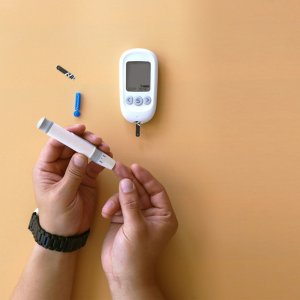
A: We focus on four therapeutic areas in Mexico due to the high prevalence of these diseases. The first is diabetes because, despite seemingly having several options for treatment, over 60% of those with diabetes do not have it under control. The second therapeutic area is immunological diseases, because these illnesses are disabling, patients cannot work and suffer a lot, and we have made substantial strides in this field thanks to our portfolio. Third, we are committed to treating Alzheimer's disease, for which there is no treatment available on the market. We are actively developing interventions to prevent the dementia associated with this condition. The fourth pillar is oncology, with a particular emphasis on breast cancer. Here, we are pioneering early-stage treatments that are reshaping the paradigms of breast cancer treatment.
Q: What are the main obstacles stopping people in Latin America from effectively addressing their diabetes?
A: There are many factors involved, such as a lack of education. Diabetes is known as a silent disease, often diagnosed late when the patient is already in advanced condition. Another is the lack of access, many of the treatments are paid directly out of the patient's pocket and that affects adherence. A patient with diabetes cannot be cured, they must be treated for the rest of their life. Today we see adherence rates of about four or five months. After that the patient abandons or resumes treatment, losing control of the disease. In Mexico, diabetes is considered a health crisis, and its prevalence is increasing especially after COVID-19.
Q: How is Eli Lilly ensuring that its efforts and initiatives reach all communities in Mexico?
A: We work closely with many organizations, such as the Mexican Diabetes Association, whose reach is greater, and we dedicate a lot of effort to that part. We also collaborate extensively with the government and public institutions, such as IMSS and ISSSTE, to improve access to these treatments. Therefore, we are focused on not only putting our treatments in pharmacies but also expanding access working hand in hand with the government.
Q: What measures should the incoming administration take to increase healthcare access and support the local pharmaceutical industry?
A: We will always work closely with the government to strengthen the healthcare system. The pillars presented during Claudia Sheinbaum's campaign are clear and focused on prevention. By focusing on prevention, it is possible to reduce the number of deaths from noncommunicable diseases. Access and investment should be priorities to make the healthcare system more efficient. In Mexico, healthcare investment as a percentage of GDP is below the average of the OECD and Latin America. However, the industry is ready to work on partnerships to address this issue.
Q: What steps is Eli Lilly taking to address gender disparities in healthcare leadership?
A: Sixty-five percent of people working in healthcare are women, but only 6% hold executive positions, highlighting a significant gap that we must all work to close. Eli Lilly is committed to developing more female leaders, for example, 50% of our leadership positions and 55% of our workforce in Latin America are women.
Through the Mexican Association of the Pharmaceutical Research Industry (AMIIF), we work to ensure that women receive better healthcare, addressing treatment gaps. For example, diabetes is diagnosed 4.5 years later in women compared to men, and cancer 2.5 years later. According to the World Economic Forum, for every dollar invested in the economic development of women, GDP grows by three dollars.
Q: What legacy would you like to leave as the new vice president of AMIIF?
A: We are working to continue bringing innovative solutions that can help the health of Mexicans. We hope to see decreases in the prevalence of many impactful diseases and we want to partner to make access to those solutions in an equitable manner.
Also, we will continue to implement work practices that promote gender equity, as well as leadership roles for women at the highest level within the pharmaceutical industry.
Eli Lilly is a medicine company that uses biotechnology, chemistry, and genetic medicine to develop solutions for major health challenges around the world.
You May Like





Most popular








