

Ethical Prescription of Medical Cannabis: A Call to Action



STORY INLINE POST








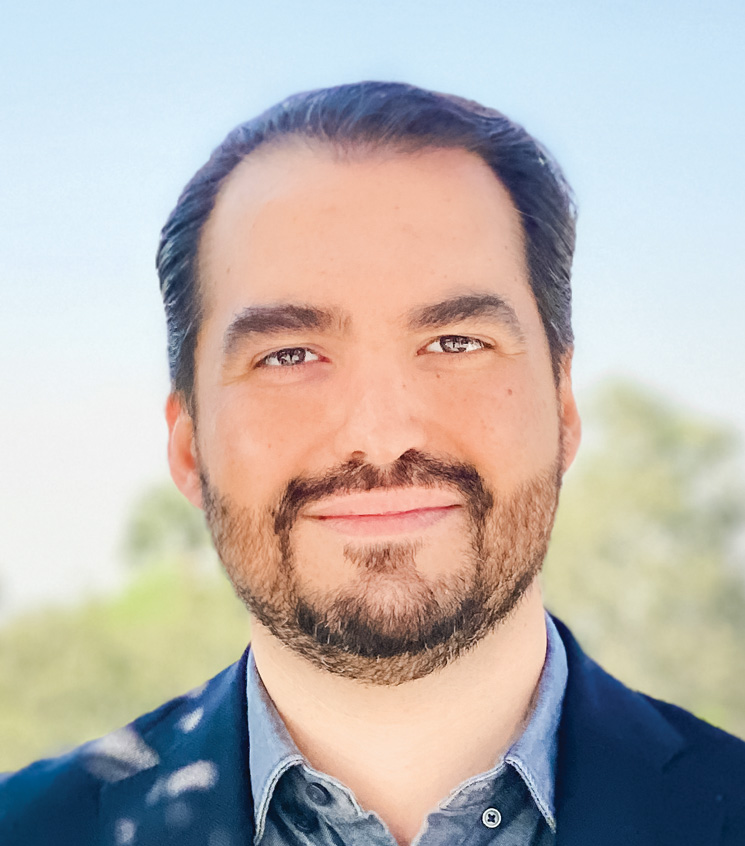
 By Erick Ponce Flores | President -
Thu, 02/15/2024 - 10:00
By Erick Ponce Flores | President -
Thu, 02/15/2024 - 10:00
In a world where the acceptance and use of medical cannabis are rapidly expanding, a critical issue is emerging among healthcare professionals: the ethical responsibility in prescribing and promoting its correct use and application.
Ethical prescription of cannabis medications refers to the practice of recommending or prescribing cannabis for medical purposes in a manner that is both legally compliant and morally responsible. This encompasses a thorough understanding of cannabis' pharmacological effects, appropriate dosing, and potential interactions with other medications. Ethical prescribing also involves ensuring that the medical cannabis products recommended are sourced from legal and regulated suppliers, thereby guaranteeing quality and safety standards. Moreover, it means considering the patient's overall well-being, respecting their autonomy, and providing clear and comprehensive information to help them make informed decisions.
As such, a troubling trend has surfaced that is of great concern, where some physicians, eager to embrace the potential of medical cannabis, are prescribing it without adequate knowledge of dosages, treatment protocols, or its pharmacological nuances. This lack of expertise can lead to improper dosing, jeopardizing patient safety and treatment efficacy.
Regarding the current state of medical cannabis knowledge among physicians, a study highlighted that healthcare providers generally report low knowledge of medical cannabis and cite this lack of knowledge as a barrier to making patient recommendations. The average level of medical cannabis knowledge was found to be moderate, with an average score of 58% in the survey from the aforementioned article; those who pursued self-study or attended a lecture on medical cannabis had higher knowledge levels. This indicates a significant gap in understanding, particularly in dosing and clinical applications.
Additionally, there is widespread misinformation about cannabis, with opinions often shaped by political or deep socio-economic leanings rather than data or scientific analysis. The complexity of cannabis chemistry further fuels misinformation, making it challenging to speak of cannabis in monolithic terms.
Advocating, then, for at least basic education on the endocannabinoid system for our health professionals, particularly physicians, is paramount due to the significant role this system plays in maintaining bodily homeostasis and its potential therapeutic implications. As medical science evolves, understanding the endocannabinoid system, as well as the role cannabinoids play in our health, becomes crucial for modern medical practice. Incorporating such education into medical curricula ensures that emerging healthcare professionals are well-prepared to make informed decisions about the use of cannabis-based treatments, stay abreast of current research, and address patient queries with confidence and accuracy. Such education fosters a more holistic and informed approach to patient care, ultimately leading to better health outcomes and advancing the field of medicine in step with scientific discoveries.
On the opposing side of this spectrum, it is not necessarily a lack of education but misinformation that will induce cases where some health professionals, influenced by anecdotal evidence or incomplete research, as well as market trends and “fear of missing out,” might overestimate the efficacy of cannabis for certain conditions, leading to recommendations where traditional treatments would be more appropriate.
Physicians who are not well-informed may inadvertently recommend or endorse unregulated or illegal cannabis products, which can be harmful due to lack of quality control and potential contamination. Such products may lack consistency in cannabinoid concentrations, potentially leading to ineffective or even harmful treatment outcomes. Moreover, the absence of regulatory oversight means these products could be contaminated with pesticides, heavy metals, or other harmful substances, posing significant health risks to patients.
Compounding this issue is the conscious and intentional promotion of unregulated or illegal cannabis products, some even under private labels of those same physicians who recommend them. This practice goes beyond mere lack of knowledge – it involves a deliberate decision to engage in activities that are not only ethically questionable but also potentially illegal. By endorsing or selling these products, physicians not only expose their patients to serious health risks due to the lack of safety and quality controls, but they also contribute to a confusing and often contradictory legal landscape.
Patients, relying on the trust and authority vested in their healthcare providers, may find themselves in a dilemma, struggling to discern the legality and safety of the products being recommended. This situation is further complicated when physicians have a financial interest in these private labels, which can lead to conflicts of interest and biased medical advice. Such practices not only jeopardize patient health and safety but also tarnish the reputation and legitimacy of the medical cannabis industry. They underscore the need for stringent regulatory frameworks, ethical guidelines, and oversight mechanisms to ensure that the promotion and prescription of cannabis products remain within the bounds of legality and medical ethics.
In essence, the call for an ethical cannabis prescription from our healthcare professionals, is about prioritizing patient care within the framework of professional education, legal guidelines and medical best practices, while also helping the industry look after itself, pushing the bar higher, ensuring the fundamental principle in healthcare: “first, do no harm.”
You May Like


Most popular








