

Inclusive Gastronomy: The Path to Food Safety, Sustainability



STORY INLINE POST




 By Raquel Picornell | CEO -
Tue, 12/09/2025 - 06:00
By Raquel Picornell | CEO -
Tue, 12/09/2025 - 06:00
Mexico stands at a pivotal moment. As global expectations around food safety, sustainability, and consumer transparency tighten, the nation’s most powerful cultural asset — its cuisine — holds extraordinary potential to redefine how countries connect health, environment, culture, and economic development.
Worldwide, more than 15% of the population lives with dietary restrictions: allergies, intolerances, celiac disease, medical dietary plans, neurodivergent-related needs, mental health treatments, religious diets and ethical frameworks such as vegetarianism, veganism and animal-conscious consumption. In this context, inclusive gastronomy is no longer a niche concept — it is a strategic pathway.
Aligned with the 2025 EAT-Lancet Commission Report on Healthy, Sustainable and Just Food Systems, truly transformative food systems must integrate both planetary boundaries and social foundations: access to safe food, decent work, cultural integrity and a healthy environment. Only then can food systems become sustainable for people and the planet.
Allergen Free Mexico’s guiding principle — Alimentar Sin Excluir (Feeding Without Excluding) — builds the framework to position Mexico as a global leader in transparent, safe, culturally rooted and regenerative food systems.
Inclusive Gastronomy: Tourism’s Hidden Competitive Advantage
Mexico’s culinary heritage is one of its most powerful unifying forces: food is identity, memory, community and territory. This is why Mexican restaurants in Sydney, Madrid, New York, and Buenos Aires now market themselves as gluten-free, vegan-friendly, or allergen-aware. Their success mirrors international benchmarks, such as Cangas Sin Gluten in Asturias, Allergen-Friendly Ireland, and the growing Sustainable Food Festival movement in Bali.
Yet, for millions of Mexicans, the dining table remains a place of exclusion due to inconsistent safety protocols, limited allergen awareness, and a lack of transparent labeling across the food service sector.
Alimentar Sin Excluir proposes a shift: integrating science, tradition, and sustainability into a single model capable of strengthening public health, tourism, education, culture. and local economies.
This vision connects:
- Traditional culinary knowledge
- Food safety and allergen management
- Regenerative agriculture
- Climate adaptation
- Local identity and tourism development
- Economic opportunities for women and rural communities
A clear example is Baldío, the first zero-waste restaurant in Mexico and the only one in Mexico City awarded a Green Michelin Star. In collaboration with Arca Tierra, Baldío elevates the chinampas of Xochimilco, their farmers, and their ancestral techniques, proving that sustainability is not a limitation but an engine of creativity.
By embracing inclusivity and regeneration, Mexico can redefine what it means to be a world-class gastronomic nation, one where everyone is welcomed at the table.
Women as Guardians of Maguey, Memory, and Food Safety
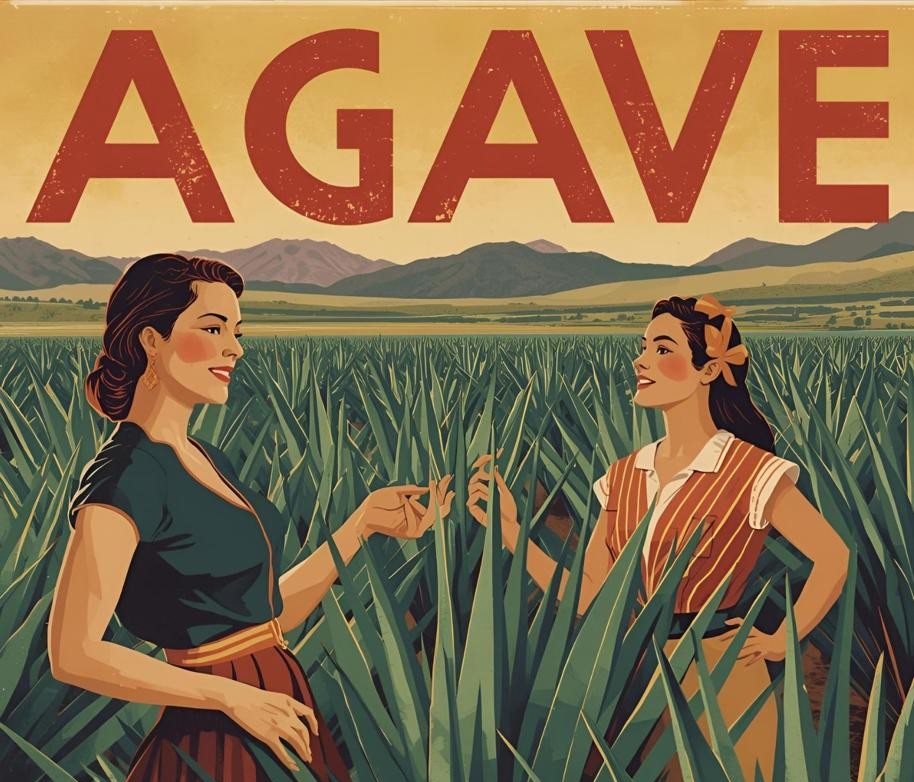
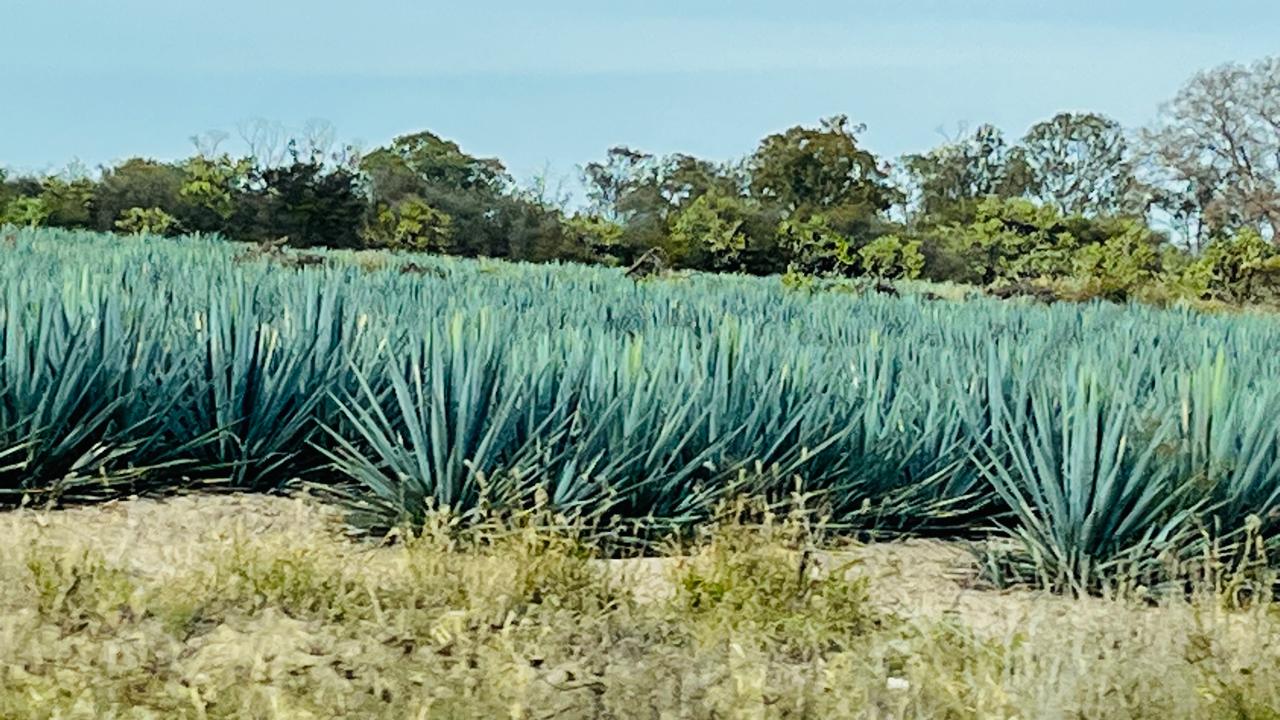
Mezcal, naturally allergen-free and culturally rooted, is a powerful symbol of Mexico’s regenerative and inclusive gastronomic future. Its production is sustained by the knowledge and leadership of women who have preserved maguey traditions for generations.
A promising collaboration with the Asociación de Mujeres Empresarias del Maguey (AMEM) and traditional cooks in Aguascalientes highlights how women safeguard Mexico’s oldest gastronomic systems while adapting them to modern needs, including the global rise in mezcal consumption.
Their work protects:
- The biodiversity of maguey ecosystems
- Traditional food preparation techniques free from industrial contaminants
- Ancestral recipes based on natural allergen-free practices
- Community farming systems that protect soil, water and biodiversity
- Culinary knowledge that informs modern sustainability and food-safety standards
As Sara Imelda Miranda, president of AMEM Aguascalientes, explains: “Our vision connects traditional culinary knowledge, food safety and allergen management with regenerative agriculture and tourism development.”
Their leadership proves that Mexico already has the foundations of an inclusive, sustainable, and culturally rooted gastronomy capable of meeting the expectations of global health- and eco-conscious consumers.
Aguascalientes and the Rise of Inclusive Gastro-Tourism
Over the past year, Aguascalientes has become Mexico’s testing ground for Gastro-Turismo Inclusivo, a new concept proposed by Allergen Free Mexico where cultural preservation, food safety, sustainability, and territorial identity converge.
Through collaborations with producers, traditional cooks, schools, hospitals, and the hospitality sector, an integrated model is emerging that enables:
- Restaurants to adopt transparent allergen and origin protocols
- Festivals to incorporate safe food processes
- Tourism operators to design experiences accessible to people with dietary restrictions
- Communities to showcase local ingredients and culinary traditions responsibly
This ecosystem improves public health while strengthening tourism competitiveness, regional identity, and climate resilience.
Building Bridges: From Local Innovation to Global Standards
Mexico is increasingly aligned with major international movements: the UK Food Data Transparency Partnership, global allergen-management frameworks, and international food-climate policy innovations.
Together with industry and civil society, Allergen Free Mexico is developing the country’s first certification for gluten-free, allergen-safe, and transparent food service, supporting:
- Schools
- Hospitals
- Restaurants
- Hotels
- Food producers
- Tourism operators
Clear standards reduce risk, build trust, and prepare Mexico for global visibility, especially ahead of massive events like the 2026 FIFA World Cup, where millions of visitors will expect safe, inclusive, and transparent food.
Feeding Without Excluding: A National Call to Action
Across government, industry and academia, one message is emerging: inclusive gastronomy is essential to Mexico’s future.
For Green Tank, a Mexican boutique consulting firm specializing in sustainability, decarbonization, and climate compliance, inclusive gastronomy directly strengthens ESG performance, supply-chain resilience, and tourism competitiveness.
Green Tank CEO Paola García Nieto states: “For a destination to be truly world-class, its food systems must align with global standards of sustainability, transparency, and inclusion.”
The food industry echoes this vision. Mexican Flavours, a global food service leader, continues to expand into US theaters, amusement parks, and entertainment venues with fast, authentic Mexican cuisine that caters to diverse dietary needs.
Founder and CEO Grace Bravo affirms: “Inclusion is no longer optional. It is a business imperative and a public-health responsibility.”
As Mexico’s population ages and dietary restrictions increase across generations, inclusion becomes essential, not only ethically but economically.
Conclusion: Tradition, Science and Culture for a Regenerative Future
Mexico has the heritage, biodiversity, ancestral knowledge, and leadership to transform its food systems into global models of safety, sustainability, and inclusion.
By uniting tradition with science, women’s leadership with community resilience, and gastronomy with climate action, Mexico can define a new era of regenerative culinary innovation.
The future belongs to food systems that are transparent, inclusive, sustainable, and culturally rooted.
Mexico is ready to lead that future — by Feeding Without Excluding.
Most popular








