


INRLGII Secures Six Patents to Advance Medical Rehabilitation
The National Institute of Rehabilitation “Luis Guillermo Ibarra Ibarra” (INRLGII) obtained six patents in less than two years, strengthening its position in medical innovation and technological development for rehabilitation.
“More than a personal achievement, a patent represents the real possibility of improving lives and closing rehabilitation gaps,” says Alberto Pérez, Researcher, INRLGII, who created a system to detect motor alterations in real time.
The patents were granted by the Mexican Institute of Industrial Property (IMPI) and reflect the institute’s growing scientific and management capabilities. They target rehabilitation, diagnosis, and therapeutic care for patients with disabilities and chronic conditions, using non-invasive, clinically applicable technologies. The developments align with Mexico’s National Development Plan 2025–2030 and the Presidential Commitment 33, which prioritize innovation as a strategic driver of social well-being.
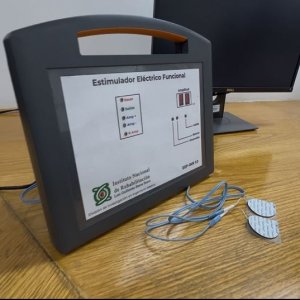
The six patented innovations include: a non-invasive motor neuroprosthesis for hand rehabilitation using functional electrical stimulation; a system to detect motor alterations dependent on speed during active movement; an ultrasonic device for non-invasive retinal treatment; a non-invasive functional electrical stimulator for neuromuscular rehabilitation; a hybrid robotic system for assisted hand mobilization that can operate independently or with a brain-computer interface; and a microwave antenna manipulation device for thermal ablation.
The patents showcase the technological capabilities of Mexico’s health system and public institutions, and reduce reliance on imported technologies, says Carlos Pineda, Director General, INRLGII. He describes the achievements as steps toward scientific sovereignty and more equitable rehabilitation services.
The patents also support the objectives of the Health Sector Program by enhancing the system’s capacity to address patient needs and promoting a human-centered, inclusive healthcare model. By securing these innovations, INRLGII reinforces its role as a national leader in applying scientific research and homegrown technology to public health, providing specialized, integrated care to patients across Mexico.
You May Like







Most popular








