


Mexico City Intensifies Measles Surveillance
 By Sofía Garduño | Journalist & Industry Analyst -
Thu, 12/04/2025 - 11:43
By Sofía Garduño | Journalist & Industry Analyst -
Thu, 12/04/2025 - 11:43
The Mexico City Ministry of Health expands surveillance, community outreach, and vaccination efforts after confirming five measles cases in the capital last week. The measures aim to contain the recent chain of transmission and increase immunization coverage among residents.
According to the agency, the call to action focuses on people between 12 months and 49 years of age, urging them to update or complete pending vaccination schedules. Authorities said maintaining high coverage remains central to preventing further spread as the city responds to the new cases.
Health institutions have strengthened epidemiological surveillance, contact tracing, and sanitary cordons to track the outbreak and identify transmission routes. The ministry notes that constant monitoring supports timely decision-making and ensures a coordinated response across the system.
Field operations have been intensified in the Alvaro Obregon and Cuajimalpa boroughs, where the latest transmission chain has been identified. The city will expand fixed vaccination sites and deploy teams in high-traffic areas to reach a broader share of the population. Given the proximity of affected zones to the State of Mexico, both governments are coordinating actions to increase the reach of preventive measures.
The response involves joint efforts across national and local health institutions, including IMSS, ISSSTE, IMSS-Bienestar, and the Mexico City Ministry of Public Health. Authorities say that coordinated work, prevention, and community participation are essential to sustaining public health and reducing transmission risk.
Measles remains one of the leading causes of mortality among children globally, according to the World Health Organization (WHO). The virus spreads through airborne particles expelled from the nose and mouth of an infected person, and can affect individuals at any age if they lack immunity. Early symptoms typically include a fever of at least three days, cough, runny nose, and conjunctivitis. Severe cases in people with weakened immune systems may progress to pneumonia.
Health authorities define a probable case as any person of any age presenting fever and maculopapular rash, along with symptoms such as cough, coryza, conjunctivitis, or lymphadenopathy. Confirmation occurs through laboratory analysis by the National Institute of Epidemiological Diagnosis and Reference (InDRE) or by epidemiological linkage to a laboratory-confirmed case.
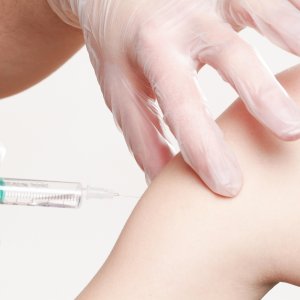
Vaccination continues to be the primary method of prevention. Mexico’s Universal Vaccination Program recommends the measles, mumps, and rubella (MMR) vaccine for children and the dual measles-rubella vaccine for adolescents and adults who have not been immunized.
As of Nov. 19, 2025, the country had registered 5,299 accumulated measles cases. Mexico’s Minister of Health, David Kershenobich, says that the outbreak was being contained and that some states had reported days without new cases. However, opposition legislator Éctor Jaime argues that the scale of the outbreak remained significant, noting that no other country in the continent, except Canada and the United States, had accumulated this many cases. As of Nov. 7, the America’s region had reported 12,596 confirmed measles cases across 10 countries, a 30-fold increase compared to 2024, with about 95% of cases concentrated in Canada, Mexico, and the United States.
The first confirmed case of the year was notified in epidemiological week (EW) five. Preliminary figures show 190 probable and 20 confirmed cases in EW 46, and 23 probable cases in EW 47. Cases affect both sexes nearly equally. Children aged 0 to four years represent the largest group, with 1,355 cases, followed by adults aged 25 to 29 and those between 20 and 24. The highest incidence rate is also concentrated among children under four.
PAHO’s decision to revoke the region’s measles elimination status followed a meeting of the Regional Commission for Monitoring and Verification of the Elimination of Measles, Rubella, and Congenital Rubella Syndrome, held in Mexico City from Nov. 4–7, 2025. The organization cited ongoing transmission and rising case numbers as key factors in its determination.
“We must restore the use of existing vaccines to prevent resurgences of diseases we previously thought were under control, like measles,” says Rodrigo Romero, Coordinator, Mexican Association of Vaccinology, to MBN.
You May Like



Most popular








