

Real-Time Health Monitoring: AI, Wearables, and Genetics




STORY INLINE POST





 By Gustavo Rodríguez Leal | Founder and CEO -
Wed, 07/10/2024 - 14:00
By Gustavo Rodríguez Leal | Founder and CEO -
Wed, 07/10/2024 - 14:00
Did you know that personalized health interventions informed by genetic data can lead to a 57% increase in physical activity and a 41% improvement in dietary habits? These impressive statistics underscore the transformative potential of integrating genetics, lifestyle habits, wearables, and artificial intelligence (AI) in modern healthcare.
In an era where healthcare is rapidly evolving, the integration of genetics, lifestyle habits, wearables, and AI holds immense potential to transform how we approach health and wellness. This holistic health assurance model leverages these cutting-edge technologies to empower both patients and physicians, ensuring a more proactive and personalized approach to healthcare.
The Power of Genetic Testing
Genetic testing serves as the cornerstone of this comprehensive health model. By analyzing an individual's DNA, we can uncover valuable insights into their genetic predispositions, potential health risks, and optimal lifestyle choices. According to a study published in the Journal of Personalized Medicine, individuals who received genetic information were more likely to make positive lifestyle changes, with 57% reporting increased physical activity and 41% improving their diet (1).
These insights enable nutritionists and physical trainers to create customized programs that align with the genetic profile of each patient, optimizing their health outcomes.
Integrating Lifestyle Habits
Understanding genetics is only one piece of the puzzle. Lifestyle habits play a significant role in determining overall health and well-being. The Centers for Disease Control and Prevention (CDC) reports that chronic diseases, many of which are influenced by lifestyle choices, account for 70% of all deaths in the United States each year (2). This approach emphasizes the importance of incorporating healthy lifestyle habits into daily routines.
Nutritionists work closely with patients to develop dietary plans that cater to their genetic predispositions and lifestyle preferences. Whether it's adjusting macronutrient ratios, identifying potential food sensitivities, or recommending specific nutrients, this approach ensures that dietary plans are both effective and sustainable.
Harnessing the Power of Wearables
Wearable technology has revolutionized how we monitor and manage our health. Devices such as fitness trackers, smartwatches, and biometric sensors provide real-time data on various health metrics, including heart rate, activity levels, sleep patterns, and more. A study by the American Heart Association found that wearable activity trackers improved physical activity levels by an average of 27% (3). Integrating wearable data into a digital platform offers a comprehensive view of each patient's health.
By continuously monitoring these metrics, timely feedback and adjustments to health plans can be provided. For example, if a patient's wearable data indicates inadequate sleep or insufficient physical activity, the platform can trigger notifications and recommendations to address these issues promptly. This real-time feedback loop ensures that patients stay on track with their health goals and make necessary adjustments to their routines.
AI: The Future of Personalized Healthcare
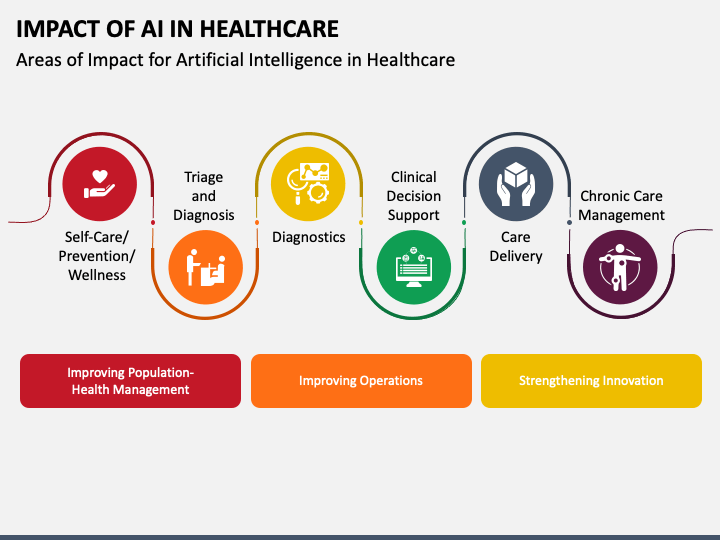
Artificial intelligence plays a pivotal role in enhancing this health assurance model. By analyzing vast amounts of data from genetic tests, lifestyle habits, and wearables, AI algorithms can identify patterns and provide predictive insights. According to a report by Accenture, AI applications in healthcare could save the U.S. healthcare economy up to $150 billion annually by 2026 (4). These insights empower both patients and physicians to make informed decisions about health management.
An AI-driven platform offers personalized health recommendations based on a comprehensive analysis of each patient's data. This includes tailored exercise plans, dietary adjustments, and preventive measures to mitigate potential health risks. The platform also facilitates continuous learning, adapting recommendations as new data becomes available, ensuring that health plans remain relevant and effective over time.
A Collaborative Approach to Functional Medicine
A collaborative approach to healthcare is essential. This comprehensive model integrates the expertise of nutritionists, physical trainers, and functional medicine practitioners. Functional medicine focuses on identifying and addressing the root causes of health issues, rather than merely treating symptoms. According to the Institute for Functional Medicine, this approach has been shown to significantly improve patient outcomes, with 76% of patients reporting improvements in their conditions (5).
Patients enrolled in such programs benefit from a multidisciplinary team that collaborates to create and monitor their health plans. Nutritionists ensure dietary recommendations are tailored to genetic profiles, physical trainers design exercise routines that optimize fitness levels, and functional medicine practitioners address underlying health concerns. This holistic approach ensures that every aspect of a patient's health is considered, leading to better outcomes and improved quality of life.
Enhancing Patient Adherence and Physician Visibility
Adherence to health plans is crucial for achieving long-term success. A digital platform enhances patient adherence by providing a user-friendly interface that tracks progress, offers reminders, and facilitates communication with healthcare providers. A study published in the Journal of Medical Internet Research found that digital health interventions can improve medication adherence by up to 17% (6). Patients can easily access their health data, review recommendations, and seek support whenever needed.
Physicians also benefit from enhanced visibility into their patients' progress. The platform allows healthcare providers to monitor patient data in real-time, identify potential issues, and intervene proactively. This continuous feedback loop ensures that physicians can provide timely guidance and support, ultimately leading to better patient outcomes.
Where Do We Stand Now?
The integration of genetics, lifestyle habits, wearables, and AI represents a transformative approach to healthcare. This comprehensive model empowers patients and physicians, fostering a more proactive and personalized health assurance model. By embracing this innovative approach, we can move beyond traditional healthcare models and toward a future where health management is personalized, predictive, and preventive.
As part of this movement, nutriADN is proud to introduce "mi.nutriADN," a groundbreaking platform designed to integrate these advanced technologies. This platform will provide patients and physicians with the tools they need to take control of health, offering personalized insights and real-time monitoring to ensure optimal health outcomes. Join us at nutriADN in revolutionizing healthcare and taking control of your health today.
References:
1. Journal of Personalized Medicine. (2021). "Impact of Genetic Information on Lifestyle Changes."
2. Centers for Disease Control and Prevention (CDC). (2020). "Chronic Diseases in America."
3. American Heart Association. (2019). "Effectiveness of Wearable Activity Trackers."
4. Accenture. (2017). "Artificial Intelligence: Healthcare’s New Nervous System."
5. Institute for Functional Medicine. (2021). "Patient Outcomes in Functional Medicine."
6. Journal of Medical Internet Research. (2018). "Digital Health Interventions and Medication Adherence."
You May Like








Most popular








