


2025 Mining Challenges; Growth in Energy Self-Consumption Sector
 By Eliza Galeana | Junior Journalist & Industry Analyst -
Fri, 01/03/2025 - 07:00
By Eliza Galeana | Junior Journalist & Industry Analyst -
Fri, 01/03/2025 - 07:00
Mining companies will focus on environmental stewardship in 2025, says EY’s report. Meanwhile, Mexico’s energy self-consumption sector is experiencing significant growth, driven by positive policies and increased ESG interest.
Ready for more? Here's your weekly roundup!
Capital, Environmental Risks: Top Mining Concerns of 2025
In 2025, mining companies will prioritize capital management and environmental stewardship, with a focus on securing funding through mergers, acquisitions, and diverse financing strategies. Resource nationalism and geopolitical risks are also rising concerns, reshaping the investment landscape and requiring innovative strategies to navigate regulatory challenges. Additionally, the depletion of resources and the challenges posed by new projects, including high capital costs and regulatory delays, are emerging as significant risks for the sector.
Surge in Self-Consumption Drives Mexico's Energy Transformation
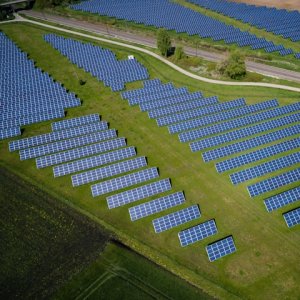
Mexico's self-consumption sector is expanding rapidly, driven by supportive energy policies and a growing interest in sustainability. The government's proposed increase in the limit for "exempt electricity generation" from 0.5 to 0.7MW will further boost distributed generation (DG), which saw a 31.69% growth in photovoltaic capacity in the first half of 2024. With the rise of industrial DG and the integration of Battery Energy Storage Systems (BESS), Mexico is positioning itself for a cleaner, more energy-efficient future, with expected investments of US$22 billion in photovoltaic projects by 2028.
SEDEMA Removes Debris Affecting Water Recharge Area
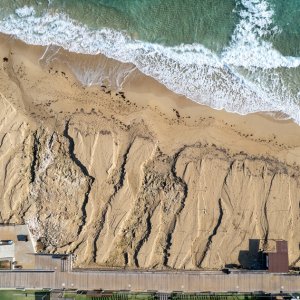
SEDEMA completed a cleanup and conservation project in Sierra Santa Catarina, located between Iztapalapa and Tlahuac, focusing on removing construction waste to restore rainfall runoff and prevent water pollution. The project, which cleared 23m³ of materials, including stone, gravel, and sand, was part of ongoing efforts to preserve the area’s ecological health and its role as a critical water recharge zone for the Eastern Zone of Mexico City.
Mexico City Introduces Emission Tax to Curb Pollution
Mexico City's 2025 Fiscal Code introduces a new ecological tax of MX$58/t (US$2.88/t) of CO2 equivalent to reduce greenhouse gas emissions and support environmental and social initiatives. The tax revenue will fund projects in mobility, water management, and public safety, aiming to address pollution and improve public health. The fiscal reforms also include updates to tax rates, an 8.8% budget increase for municipalities, and additional funding for education, health, and social programs.
UNAM Develops Low-Cost Batteries From Recycled Plastics
A research group led by UNAM is developing batteries made from recycled plastics, offering a cost-effective and environmentally friendly alternative to traditional models. The batteries, made from flexible, single-use plastics like ketchup and mayonnaise sachets, are lighter and contain fewer toxic elements, with production costs significantly lower than standard AA and AAA batteries. The team is also exploring the use of these plastic electrodes in water purification and the recycling of lithium batteries, aiming to address both electronic waste and water contamination issues.
You May Like






Most popular








