

Boost Financing Options For Junior Miners

STORY INLINE POST





The Toronto Stock Exchange (TSX) and TSX Venture Exchange (TSXV) are the two leading global exchanges for mining. In 2016, mining companies listed on the TSX senior market raised CA$6.8 billion, and the TSXV, which attracts many mining juniors, saw its listings jump 150 percent from 2015 to raise CA$2.5 billion. By comparison, the Mexican Stock Exchange (BMV) is home to only six mining companies: First Majestic Silver, Minera Autlan, Fresnillo, Grupo México, Minera Frisco and Industrias Peñoles, none of which are juniors.
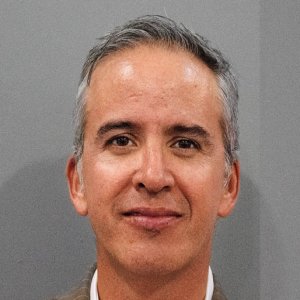
According to Javier Reyes, Director of mining finance company Credipresto, junior mining exploration and development companies have to seek funding in locations like Canada because in countries that understand mining finance and risk culture more, there are many more tools and many more players willing to fund these projects. “In Mexico, I think there is a lack of understanding of very high-risk investors and there is no way to transfer money from investors to these projects,” he says. “In Canada, the main function of the TSXV is to transfer money to high-risk assets, such as very early-stage exploration projects. There is no similar mechanism in Mexico.”
Credipresto is a finance company that is diversified in its products and lines of credit with FIFOMI and Nafinsa. It offers turnkey advisory services for clients and its advisors take an active role in ensuring the investment is used in the right way. “As a Mexican company, we understand the culture and, instead of just lending the money, we want to work with the company through the project financing stage,” Reyes explains. It also works with the communities and municipal governments to ensure there is no political factor that may prevent the mine from reaching production.
In most cases, Credipresto enters at the development stage providing interest rates of between 10 and 15 percent. In many cases, depending on the company it works with, it obtains a warranty component so that it has an upside on the equity if the stock goes up. Credipresto lends independently up to US$5 million and for any amount greater than this it can co-lend. “There are many investors interested in Mexico because it is one of the most favorable mining jurisdictions in the world,” says Reyes. “Mostly, we work with foreign lenders from the US and the UK. There is a niche where specialized mining funds exist that focus on projects requiring US$50-100 million of investment.”
The problem with the BMV, he says, is that listed companies do not need the funding the exchange offers because they are major corporations. Around 30 percent of the companies listed represent 95 percent of the Mexican volume daily, so this equates to around 25-30 companies that represent almost all of the daily volume. “Around 50 years ago, there were probably around 20 times more companies listed in Mexico than there are today, so this says something about the exchange,” he says. “Mexican mining companies were also listed much more in foreign exchanges so the state of the market has changed considerably.”
Mining finance needs to be long-term, Reyes says, and for many mining companies, investment from financial institutions is not an option due to the level of risk involved. “In general, the financial institutions in Mexico do not lend money to anyone,” he says. “Most of the revenues generated by commercial banks in Mexico come from fee collection and interest collection in retail banking. There is no incentive for them to take on the risk of lending.”
If midsize Mexican mining is to be developed, Reyes stresses, sources of financing must be developed. “FIFOMI’s line of credit extends to MX$3 billion but these amounts are a drop in the ocean compared to the type of money mining companies deal with,” he says. “Other development banks like Bancomext and NAFINSA have much deeper pockets. I think these options should be explored.” Most importantly, he believes the BMV should promote the type of risk found in mining more and follow the model of the TSXV in providing incentives to those companies that need the financing to seek the resources of the BMV. And this may just be in the works. “The creation of a new stock exchange in Mexico is in the pipeline” he says. “This should incentivize new kinds of investment and remove the monopoly of the BMV in Mexico, creating a healthier, more competitive market.
You May Like






Most popular





