

Triple Helix Approach Generates Results

STORY INLINE POST






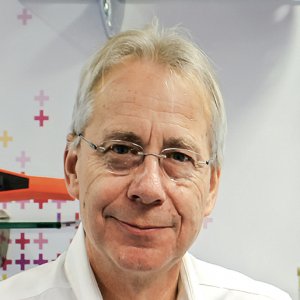

Q: What are the most prevalent trends you have witnessed in terms of innovation of technology and energy?
A: I have witnessed the need to maximize the use of assets in the mining industry, and to increase the recovery of spending on consumables and materials used in industrial processes, including diversification of product lines. For example, metals recovery can be performed in rare earth through the treatment of commonly processed materials. The essential difference in being part of a restrictive environment is in the fact that the number of measures that can be implemented is lessened, but the quality never drops. Operators are choosing only to embark on the projects that present a clearer positive impact for the company. Investing in projects within this framework is a solid affirmation that the company has confidence that they will be profitable in the future. Moreover, the geological diversity of mining sites in Mexico is fertile ground for the development of specific projects and technologies to target each variable of the deposits. Additionally, the country’s Universities and Research Centers constitute a solid foundation for the development of technology.
Q: How are digital workforce engagement and enhanced asset management manifesting themselves in the mining industry?
A: Process automation is a significant area of opportunity. With the higher level of complexity in the activities carried out, a smaller variability can be obtained in the processes, generating an increase in efficiency. While the use of tools like 3D printers is minimal at the moment, this kind of technology holds an interesting potential. An example is the eventual possibility of being able to create spare parts for heavy machinery and other equipment with 3D printers, which would reduce the operation and maintenance costs of the machinery. An alternative that will allow an increase in profitability without sacrificing results involves achieving an adequate automation of processes, obviously without compromising quality on the occasions that human presence is necessary.
Q: How do you evaluate Mexican miners’ changing mentality to these technologies?
A: The adoption of change automatically provokes a certain reticence. The most effective tool to promote a favorable environment is the involvement of operative personnel in the planning and execution of innovative projects, rather than just those responsible for research. Taking ownership of the change substantially increases the potential of making a positive general impact, favoring the progressively simpler adoption of innovation and subsequent technological development projects. This can be seen in terms of the number of projects that are executed over time, because if the number increases, the process of adaption to the change is being carried out in the correct manner.
Q: What kind of investment is innovation in mining attracting?
A: The country must strengthen its triple helix cooperation mechanism between the private sector, public sector, and academia. Finding mechanisms that allow a focused use of research resources in the academic arena in order to resolve current problems in industry will be the most promising legacy possible for the consolidation of a sustainable innovation system. Innovation in the mining area has been increasingly considered as a way to improve the performance of daily processes. However, it is important to also allocate resources to applied research, which would allow the diversification of current processes. The development of innovation hubs in common areas of interest would be an attractive practice to adopt.
Q: How has the Energy Reform sparked innovation in mining in terms of self-generation of power?
A: The new regulation will allow mining companies that are characterized by their extensive use of energy resources to allocate resources for energy generation in competitive conditions. In this sense, mining companies are consolidating specific areas for development of energy generation projects, which will serve as catalysts for applied R&D projects in this area. We hope that the legislation will serve as a framework to facilitate a greater interaction between the entities that generate knowledge and the consumers of this knowledge.
You May Like



Most popular








