


Accelerating the Decarbonization Transition
 By José Escobedo | Senior Editorial Manager -
Mon, 08/21/2023 - 09:24
By José Escobedo | Senior Editorial Manager -
Mon, 08/21/2023 - 09:24
As part of SLB's net-zero 2050 commitment, the technology giant has taken affirmative steps to eliminate methane emissions and flaring from the company's operations.
When managing methane emissions, many companies are stuck with the dilemma of having to choose which technologies work best for their assets and business operations, while at the same time, choosing the right vendors, complying with specific regulations, covering cost curves and obtaining correct data.
It is no secret that in order to achieve net-zero, bold steps need to be taken. For instance, International Energy Agency (IEA)’s Tracking Clean Energy Progress assessment, only two of the 55 components required to achieve net zero by 2050 — electric vehicles and lighting — are fully on track, both of which are still reliant on fossil fuels for electricity today.
“At SLB, we are leaning into our net-zero commitments — decarbonizing our own operations, helping reduce our customers’ emissions and developing new energy systems for the future. As a technology company, we have a responsibility to drive energy innovation and accelerate the decarbonization of the industry at large as we help build a new energy landscape. And while we are excited by our progress, we know that we cannot maximize our impact alone,” said Katharina Beumelburg, Chief Strategy and Sustainability Officer at SLB.
SLB can help its customers eliminate methane emissions by applying end-to-end emissions identification, reduction and elimination. The company says that reducing methane emissions requires scaling solutions as fast and cost effectively as possible. SLB encourages its clients to work together to fix what is readily available by leveraging existing technologies and available tools.
To successfully accomplish the elimination of methane emissions, the company has evaluated more than 100 methane monitoring technologies and field tested more than 25 of them. In addition, SLB has invested significantly in satellite and drone measurement technologies, has created and launched its own methane and flare efficiency instruments, as well as developing a robust, powerful, fit-for-purpose methane digital platform.
SLB’s methane elimination services include monitoring emissions from satellites, drones, or on the ground, field work to repair leaks, installing low-emitting equipment and applying technology to convert gas into valuable products.
“Everything comes together in our purpose-built digital ecosystem that gives you a single, secure place for all your emissions data. This drives new understanding, insights, collaboration and opportunities for continuous improvement — all to cut methane and flaring quicker,” said the company.
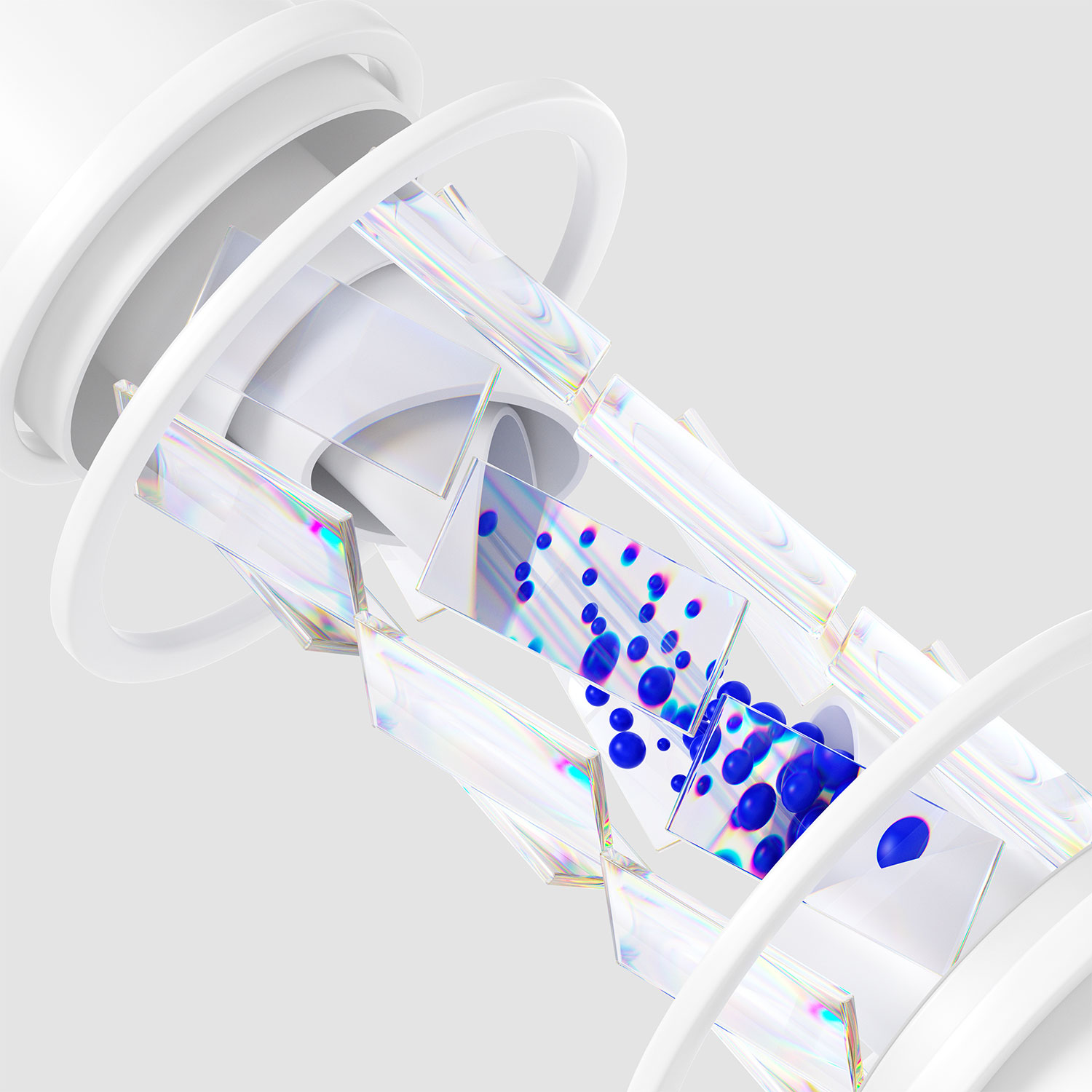
Oil and Gas Impact
SLB can simplify a decarbonization strategy’s planning and execution by applying SLB End-to-end Emissions Solutions (SEES), which offers a one-stop shop for tailored solutions. The company specializes in tackling methane and flaring challenges with the tools and services needed to measure emissions, reduce methane and achieve zero routine flaring.
According to SLB’s website, the SEES experience is built on four pillars that will help unlock the full potential of a client’s emissions management journey.
The need to Plan: SLB aids its clients by understanding their asset and emissions management goals. The company's oil-field experts have a deep knowledge of emerging standards and technologies and have customized plans to help clients assess all OGMP levels. SLB will work closely with their clients to develop their methane and flaring strategy.
Measuring is important: The company offers a full range of measurement technologies and uses various approaches, for instance, bottom-up for OGMP Level 4, top-down for OGMP Level 5 and continuous monitoring. It is essential to highlight that All SEES technologies provide quantitative emission rate measurements that are backed by extensive controlled-release testing performed in partnership with multiple universities.
Act is a basic principle: The company performs measurements that fix emissions. SLB’s team of experts specialize in repairing leaks, delivers facility audits to identify causes of emissions and installs equipment to reduce or eliminate emissions. The company does this by delivering optimal methods that can eliminate methane emissions faster and with less cost.
Digital integration in one place: SLB’s methane digital platform is an emissions management software tool designed to integrate data from all measurement systems in a single location. The company built this tool to ensure that methane plans, measurements and actions are easily accessible and facilitate efficient data management and reporting.
It has been widely accepted that many oil-field methane emissions come from sources that leak intermittently during normal operations. In an effort to measure these emissions, the methane point instrument from SLB End-to-end Emissions Solutions is a continuous methane monitoring system that uses IoT-enabled sensors to help clients locate and quantify these emissions, both quickly and cost effectively.
Methane Detecting System
By using IoT-enabled sensors, which are placed at the perimeter of the facility, the instrument's multisensory system detects methane leaks and their emission rates. Sensors (Methane Detecting System) measure methane concentration with high accuracy under all conditions relevant to the oil field, using an inversion algorithm optimized in one of the world’s largest wind tunnels.
According to SLB, some of the characteristics for this detecting system are the following:
Sensitivity: Detects leaks as small as 1kg/h
Emission Localization: Locates emission source with accuracy up to 19.7ft (6m).
Accuracy: Estimates leak rate within a ± factor of 2, 68% confidence.
- Detect, locate and quantify methane leaks 24/7 in real time for oil and gas production and processing facilities, onshore and remote facilities worldwide.
Some of the benefits include:
- Data can be hosted and displayed on SLB’s methane digital platform to seamlessly access and manage monitoring services, data and analytics.
- Easy data integration into existing digital systems (for operational or accounting purposes, for example).
According to SLB’s website, methane leak detection could be very challenging since the emission is invisible and can come from leaking components anywhere within a particular infrastructure. In addition, if leaks go undetected, this can lead to inaccurate measurement and reporting. In an effort to solve these issues, SLB has introduced the methane lidar camera, (laser imaging, detection and ranging – early detection) camera from SLB End-to-end Emissions Solutions. The camera is a methane gas detector that creates a picture that clearly identifies the beginning of the methane plume. This camera detects, locates, visualizes and quantifies methane emissions.
How It Works
The methane lidar camera is permanently mounted on a pole or mast. It scans facilities and zooms in on detected leaks as well as identifying the leaking component. Soon after, the camera overlays a methane image on a traditional camera image, which displays the exact location of an emission source. SLB reports that its laser imaging, detection and ranging technology enables measurement of plume size and shape, as well as gas emission rate, duration, location, persistence, and timing. In addition, when conditions are favorable, the camera can detect even the smallest methane emissions. Unlike other methane cameras, the methane lidar camera quantifies methane emissions despite temperatures, sunlight and other gases, including water vapor.
Features:
Sensitivity: Detects leaks as small as 0.4kg/h.
Range: Scans up to a 656ft (200m) distance.
Accuracy: Estimates leak rate within a ± factor of 2, 68% confidence.
Laser output: rates as Class 1, eye safe.
Some of the benefits include:
- Methane-specific detection with no interference from other gases or water vapor.
- Single-photon sensitivity for long-range, low-power eye-safe imaging.
SLB offers the opportunity to manage its clients’ emissions data in one open, secure digital environment aimed at reducing emissions and costs.
SLB End-to-end Emissions Solutions (SEES) are strengthened by the industry’s first methane digital platform accessible in the DELFI cognitive E&P environment, according to SLB. This platform provides users the availability to work in an open, secure ecosystem allowing them to achieve emissions objectives according to their business plan.
This platform does not replace existing systems; rather, it supports and integrates into both SEES and third-party measurement devices aimed at developing rapid experimentation that ensures auditability and confidence with user data. The company says this platform facilitates the integration of data from multiple sources in a traceable, organized way.
With all the methane and flaring data in one specific place, clients can obtain the latest information related to reducing and managing emissions rapidly to maintain progress. SLB says its modular approach continually improves the methodology behind reconciling data from multiple sources. Moreover, SLB can enable further improvement due to its experience and knowledge related to strengths and weaknesses of all measurement technologies.
Decarbonizing: Five Focus Areas
In an effort to reduce the carbon footprint in the oil and gas industry, SLB´s Katharina Beumelburg, Chief Strategy and Sustainability Officer shares her five focus areas for decarbonizing today´s energy system that companies should take a look at.
Carbon Capture, Utilization, and Storage (CCUS): Beumelburg says CCUS are considered a great opportunity to decarbonize oil and gas operations, as well as other industries. The good news is that much of the technology to carry out this decarbonization, is available today. The industry currently understands better storage capacity and the potential to containing and injecting fluids. This can be achieved through digital, subsurface characterization and dynamic reservoir simulation. Beumelburg says that regulators can play an active role to stimulate investment.
Methane Emissions: Beumelburg explains that methane emissions account for approximately half of all upstream, midstream, and downstream oil and gas emissions. Fortunately, technological developments have made methane easier to track and assess. “In fact, the IEA estimates that it is possible to avoid approximately three-quarters of methane emissions from oil and gas operations using technology available today,” says Beumelburg.
Flaring emissions: Reducing flaring and eliminating it whenever possible is considered a huge step toward ending methane emissions. Beumelburg explains this can be done through technology deployment and digital simulation.
Cement: The direct carbon intensity of global cement production continues to increase by approximately 1.5% per year, while a decrease of 3% is required to achieve net zero, explains Beumelburg. Fortunately, geopolymer technologies are being developed and this has allowed the creation of cement-free systems, such as EcoShield. This system has the potential to replace cement in wells and as a result generating lesser emissions.
International Collaboration: Beumelburg says that in order to solve the challenges that the reduction of methane emissions poses, international collaboration and support across all energy systems is dire. Due to the role the oil and gas has industry will play in the future, Beumelburg highlights that the industry should view emissions reduction as a global partnership between regulators and the private sector.
“As a technology company, we have a responsibility to drive energy innovation and accelerate the decarbonization of the industry at large as we help build a new energy landscape. And while we are excited by our progress, we know that we cannot maximize our impact alone,” says Beumelburg.
You May Like



Most popular








