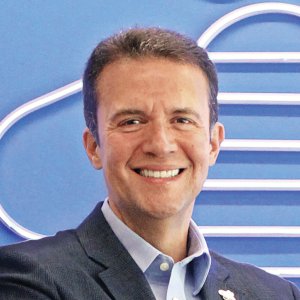
A Diplomatic Reset: Ron Johnson Arrives in Mexico
 By Paloma Duran | Journalist and Industry Analyst -
Tue, 04/22/2025 - 15:55
By Paloma Duran | Journalist and Industry Analyst -
Tue, 04/22/2025 - 15:55
Ron Johnson’s appointment as the new US Ambassador to Mexico marks a critical turning point in bilateral relations. Recently confirmed by the US Senate, Johnson is expected to assume his post within days, stepping into a complex diplomatic landscape shaped by trade tensions, security concerns, and the legacy of a strained relationship between President Claudia Sheinbaum and Johnson’s predecessor, Ken Salazar.
Sheinbaum has made her expectations clear: the new ambassador will be welcomed, as long as the relationship is based on mutual respect and true collaboration. Analysts predict that Johnson’s approach will contrast sharply with that of Salazar, whose early emphasis on personal rapport eventually clashed with the Mexican government over topics like the judicial reform and public security.
“Now the approach seems more diplomatic than personal,” said Norma Soto, Professor, Universidad La Salle. “Johnson represents a firmer figure, focused on advancing the interests of both nations, rather than forging individual alliances.”
Navigating a Fragile Relationship
Salazar’s public criticism of President López Obrador, combined with the fallout from President Donald Trump’s tariff policies, widened the diplomatic divide. Today’s bilateral agenda remains sensitive, with high-stakes issues such as security cooperation, migration management, and fentanyl trafficking at the forefront.
Toward the end of Salazar’s tenure, diplomatic access to Mexico’s National Palace was curtailed. Communications were channeled exclusively through Foreign Affairs Minister Juan Ramón de la Fuente, following frictions over controversial US positions on Mexico’s energy and judicial reforms and opaque handling of joint security actions, such as the US capture of cartel leader Ismael “El Mayo” Zambada.
Sheinbaum has since institutionalized these controls: all diplomatic exchanges must now flow through the Ministry of Foreign Affairs, reducing the ambassador’s direct engagement with senior officials.
Johnson’s credentials point to a more assertive US diplomatic posture. A former military officer and CIA operative, he previously served as ambassador to El Salvador, where he cultivated a strong operational partnership with President Nayib Bukele. Known for his practical, results-driven style, Johnson is expected to prioritize concrete outcomes, especially in the fight against organized crime.
Backed by Trump’s agenda, Johnson reaffirmed his commitment during his confirmation hearings: dismantle drug cartels, limit the flow of illegal drugs, and address irregular migration. He vowed to work with Mexican authorities to strengthen cross-border security and ensure the safety of US citizens in the country.
Sheinbaum has expressed her readiness to work with Johnson but underscored that any collaboration must respect Mexico’s sovereignty and constitutional principles. She has firmly rejected any possibility of unilateral US intervention on Mexican soil.
You May Like





Most popular