

Five Reasons to Invest in Green Initiatives in Mexico
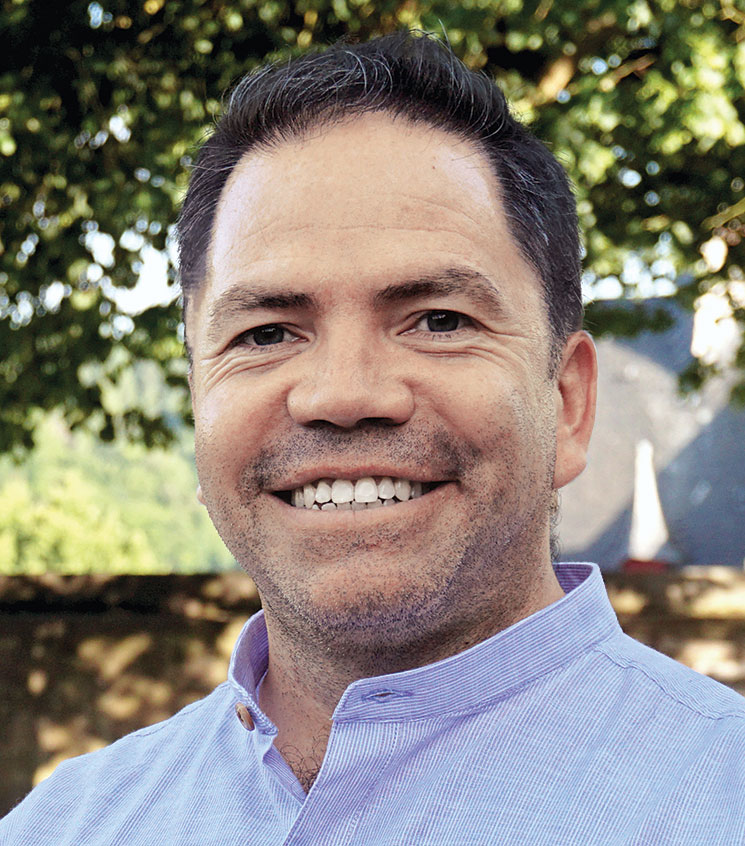





 By Adrián Carrillo Hurtado | Growth Business Development Manager (LATAM) -
Fri, 03/28/2025 - 07:00
By Adrián Carrillo Hurtado | Growth Business Development Manager (LATAM) -
Fri, 03/28/2025 - 07:00
Any initiative, no matter how commendable, will eventually reach the point where a budget must be assigned, which will come from "some source."
While "finance is not the goal but the tool to achieve our purposes and build the future" (Robert Kiyosaki), these purposes must have solid foundations and clear objectives, as they will be compared and evaluated against other initiatives that also require funding.
To build a short- to medium-term corporate future in Mexico, here are five reasons to invest in sustainability-related initiatives. The importance of each will depend on the reader and their corporate context:
1. State Taxes on Greenhouse Gases (GHG) and How to Handle Them
Some states in Mexico, such as Mexico City, Durango, State of Mexico, Guanajuato, Morelos, Nuevo Leon, Queretaro, San Luis Potosi, Tamaulipas, Yucatan, and Zacatecas, have implemented CO₂ emission taxes, encouraging companies to reduce their carbon footprint or pay for polluting.
-
If your company operates in Queretaro, where the tax is 5.6 Units of Measurement and Update (UMAs / MX$$633.58 (US$31)) per ton of CO₂ equivalent, you can benefit from the deduction program by investing in carbon credits validated by the state's Sustainable Development Secretariat, which range from MX$280 to MX$440.*1
-
If your company operates in Tamaulipas, there is a similar scheme to Queretaro, with a fiscal incentive of 15% for reduction actions and up to 25% for emission compensation.
-
Jalisco has a carbon tax initiative that is about to be approved.
*1: The price may vary depending on the characteristics of validated projects.
2. Access to Sustainable Green Financing
Banks and investment funds offer better conditions for companies with sustainability strategies, such as preferential rates and green financing. Some examples in Mexico include:
-
BBVA Bancomer: Offers sustainable financing options and green bonds for projects that meet environmental standards.
-
Santander Mexico: Provides financing for renewable energy projects and green initiatives, integrating sustainability into its evaluation criteria.
-
HSBC Mexico: Has programs aimed at financing sustainable businesses and projects aligned with environmental impact goals.
-
Banorte: Focuses on sustainable banking solutions, offering special loans for companies with sustainable practices.
-
Nafin (Nacional Financiera): Provides financing with incentives for projects that comply with sustainability criteria.
3. Extended Producer Responsibility (EPR), Whether Governmental or Private
Among Companies
If you sell or want to sell your products or services to certain companies, you must consider their sustainability requirements. Here are some notable international companies operating in Mexico that prioritize environmental issues and require their suppliers to adhere to sustainability initiatives and metrics:
-
Walmart: Continues to increase its requirements for resource efficiency, reducing environmental footprints, and corporate reporting metrics for all suppliers.
-
Unilever: Through its Sustainable Living Plan, Unilever expects suppliers to implement sustainable practices and report their progress.
-
Nestlé: Has specific sustainability guidelines, including responsible sourcing and carbon footprint reduction.
-
Intel: Requires its suppliers to comply with specific environmental standards and commit to sustainable practices.
-
Coca-Cola: "Encourages" suppliers to adopt sustainable practices, especially in water conservation and waste management.
-
Ford: Asks suppliers to follow specific environmental policies and contribute to emission reduction.
-
Bimbo: Demands resource efficiency and environmental impact metrics from its suppliers.
Government Regulations
While some businesses argue that responsibility should be "shared" with end consumers, the reality is that Mexico is at most five years away from enacting such laws at the federal or state level, with the focus shifting exclusively to manufacturers.
According to ChatGPT, Mexico’s recycling market is valued between US$8 billion and US$10 billion. This market includes plastics, metals, paper, and electronic waste recycling.
If your company is lobbying to delay these regulations, time is running out. The potential wealth (for both government and private entities) and job creation (votes) generated by such regulations far outweigh the "contributions" currently made in exchange for an extension.
My advice: Anticipate and take advantage of the opportunity to develop new businesses aligned with these regulations.
The industries most affected by these regulations due to various interests will be:
-
Plastics and petroleum derivatives: Whether as packaging or final products.
-
Chemicals: Especially those classified as "special handling" (such as batteries).
-
Construction: Its environmental footprint is hard to hide — just ask people living in Monterrey.
4. Operational Efficiency and Cost Savings
At the end of the day, businesses want the initiatives they implement to translate into money, whether through savings or revenue generation. Some success cases include:
-
Implementing renewable energy does not have to be a financial burden since various options exist to avoid decapitalization. A clear example is Solfium's business model.
-
Gunter Pauli, founder of the Blue Economy, famously said, "What we call waste is actually resources in the wrong place." This refers to monetizing waste — finding markets where “leftovers” can be used as raw materials.
-
Climate change and the increasing severity of regulations affect raw material availability and costs. Conducting a double materiality analysis is the first step to ensuring efficiency in resource management.
5. Preference for Green Supply Chains
If you are in the agribusiness sector, whether animal or plant-based, the key concept is “risk reduction.” Investing in sustainability initiatives within your value chain builds greater trust with your customers and improves commercial conditions. Some success cases and supporting initiatives include:
-
Having well-established ESG (environmental, social, and governance) criteria provides assurance to your clients and opens doors to new markets.
-
(Again) Conducting a proper double materiality analysis is crucial for both financial impact and corporate strategic decision-making.
-
Certified reforestation within your supply chain can secure business sustainability, increase land value, and generate potential financial income through the carbon market.
As business leaders, we seek differentiation in the market, whether through our products, services, financial terms, or business models that offer a competitive advantage.
Recognizing the link between nature and economic gains not only builds trust within and around the organization but also ensures long-term viability in an increasingly demanding global-local market.
Most popular








