

Opportunities and Challenges for Mexico’s Energy Future




STORY INLINE POST






 By Leonardo Beltrán | Non-Resident Fellow -
Thu, 08/22/2024 - 14:00
By Leonardo Beltrán | Non-Resident Fellow -
Thu, 08/22/2024 - 14:00
The world is undergoing significant transformations driven by several powerful megatrends, each of which is reshaping how societies function and how economies develop. These trends, which include climate change, the push for decarbonization, the growing flexibility offered by electrification, and the shifting geopolitics of energy production, have profound implications for land productivity, water resources, and economic stability.
Climate change stands as one of the most pressing challenges of our time, with its impacts being felt across various sectors, including agriculture and water management. Rising global temperatures and shifting precipitation patterns are reducing land productivity, especially in the regions located between the latitudes 30°S and 30°N. These areas, which include large parts of Mexico, are witnessing a decline in agricultural yields due to increased droughts and unpredictable weather. This poses a severe threat to food security and the livelihoods of millions. Additionally, the strain on water resources is becoming more evident as climate change alters hydrological cycles, leading to both scarcity in some regions and flooding in others.
Simultaneously, there is a growing awareness among people about the dangers of climate change. According to UNDP, in 2021, 64% of the global population expressed concern about climate change, and by 2024, this figure had risen to 80%. This heightened awareness is driving demand for more sustainable practices and greater efforts to mitigate the impacts of climate change. One of the most critical strategies in this regard is decarbonization. Reducing greenhouse gas emissions by transitioning away from fossil fuels toward cleaner energy sources is essential to curbing the worst effects of climate change. However, this transition is not just about mitigating risks; it also presents opportunities for innovation and economic growth.
Electrification, in particular, plays a crucial role in this transition. The flexibility offered by electrification allows for the coupling of energy systems with different sectors, such as transportation, heating, and industry. For instance, electric vehicles (EVs) not only reduce reliance on oil but also contribute to a cleaner and more efficient energy system when integrated with renewable energy sources. Similarly, electrification of industrial processes can lead to significant reductions in emissions while enhancing productivity.
Moreover, the geopolitics of energy production is increasingly influencing global economic strategies. As countries strive to secure energy supplies and reduce their dependence on volatile international markets, there is a growing trend toward nearshoring — relocating production closer to home. This shift is driven by the need for greater energy security and the desire to mitigate the risks associated with long, complex supply chains. For Mexico, this presents both challenges and opportunities. On the one hand, Mexico could become a hub for industries relocating from other regions. On the other hand, the country must ensure that its energy infrastructure is not only capable of supporting this increased industrial activity, but that it is clean.
Opportunities and Challenges
As these global megatrends continue to unfold, Mexico finds itself at a critical juncture. The country has the potential to capitalize on these trends and emerge as a leader in sustainable energy production. However, this potential can only be realized if Mexico takes decisive action to align its energy policies with these global shifts.
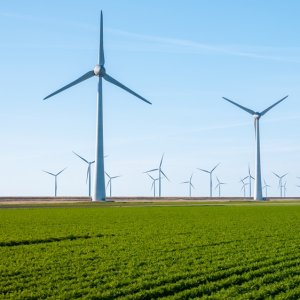
One of the most significant opportunities for Mexico lies in its abundant renewable energy resources. The country is well-positioned to harness solar and wind energy, which are key to achieving decarbonization goals. However, if current trends in renewable energy generation do not change, Mexico risks missing out on these opportunities. The slow pace of renewable energy development could disincentivize investment, as investors are likely to seek more favorable conditions in other markets where renewable energy is more robustly supported.
Furthermore, Mexico is not on track to meet its clean energy generation targets. The country has set ambitious goals for increasing the share of renewable energy in its electricity mix, but progress has been slow. Without a more aggressive push toward clean energy, Mexico risks falling short of its commitments, which could undermine its position in the global energy landscape and its ability to attract foreign investment.
Future Opportunities for Mexico
Despite these challenges, Mexico has several opportunities to secure a sustainable and prosperous energy future. One of the most promising areas is the electrification of transport. As the global shift toward electric vehicles accelerates, Mexico can position itself as a leader in this sector by investing in EV infrastructure and incentivizing the adoption of electric vehicles. This would not only reduce emissions but also decrease the country’s dependence on imported oil, enhancing energy security.
Distributed generation is another critical area where Mexico can make significant strides. By promoting the development of decentralized energy systems, particularly in rural and underserved areas, Mexico can improve energy access, increase grid resilience, and reduce transmission losses. Technologies such as solar photovoltaic (PV) systems and small-scale wind turbines offer viable solutions for isolated communities that are not well-served by the national grid.
Energy storage is also set to play a pivotal role in Mexico’s energy future. As the share of renewable energy in the electricity mix grows, the need for reliable and efficient storage solutions becomes increasingly important. Advanced batteries and other storage technologies can help smooth out the intermittency of renewable energy sources, ensuring a stable and continuous power supply. This is particularly important if Mexico decides to advance and seeks to integrate more renewable energy into its grid and move toward a more sustainable energy system.
While Mexico faces significant challenges in aligning its energy policies with global megatrends, the country also has tremendous opportunities to lead in the transition to a sustainable energy future. By embracing electrification, promoting distributed generation, and investing in energy storage, Mexico can not only meet its clean energy targets but also drive economic growth and enhance energy security for its people.
You May Like


Most popular








