


Sinaloa Leads with Climate Plan for Fishing, Aquaculture
Sinaloa has become the first Mexican state to integrate climate sustainability initiatives into its fishing and aquaculture sectors, following the presentation of the State Climate Action Plan for Fisheries and Aquaculture at a forum in Mazatlan. The plan was developed by the Sinaloan Ministry of Welfare and Sustainable Development (SEBIDES) in coordination with federal authorities, academics, and civil society.
Presented on June 17, the plan introduces a series of initiatives aimed at enhancing resilience and promoting sustainable practices in the industry. A key component is the development of a regional climate model to predict species migrations and extreme weather events. This tool will enable fishermen to adapt routes and techniques, helping to prevent overfishing of vulnerable species.
Additional measures outlined in the plan include expanded offshore surveillance, adaptive co-management of at-risk species through flexible closed seasons, and educational campaigns promoting food sovereignty.
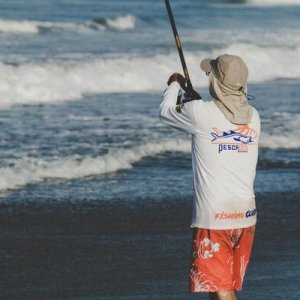
In partnership with the National Commission of Aquaculture and Fishing (CONAPESCA), the plan also supports sustainable sport fishing practices such as the use of barbless hooks, catch-and-release strategies, and improved handling of endangered species.
Following the forum, the plan was presented to fishing communities in Mazatlan, Culiacan, Salvador Alvarado, and Ahome as part of a 45-day public consultation process. Sindy Rebeca Montoya Armenta, Sinaloa’s Subsecretary of Fisheries and Aquaculture, emphasized the critical role of citizen participation, noting that fishermen are uniquely positioned to understand the real-world impact of rising sea temperatures.
Local fishing communities have already taken concrete steps toward sustainability by using proper nets, adopting eco-friendly engines, and installing barriers to prevent agricultural runoff from polluting coastal waters.
Most popular








