

Human Capital: The Most Valuable Asset of Every Company





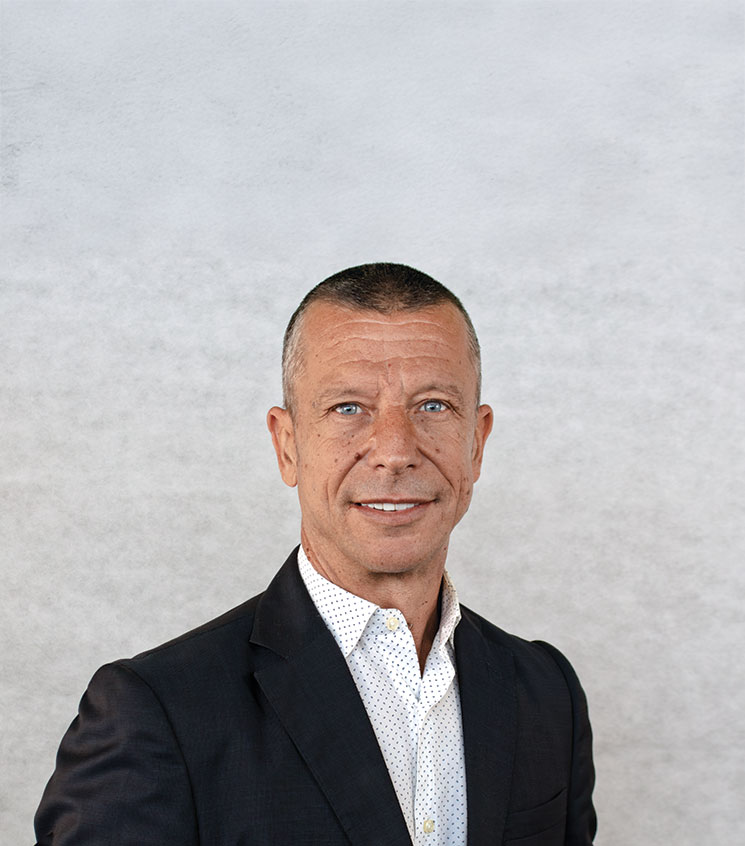 By Oscar Garcia Zato | Director General Member of AMECH -
Mon, 07/21/2025 - 07:00
By Oscar Garcia Zato | Director General Member of AMECH -
Mon, 07/21/2025 - 07:00
In today's dynamic business world, where technology is advancing by leaps and bounds and markets are increasingly competitive, the importance of innovation, digitalization, and process optimization is often discussed. However, amid all this talk, there is one fundamental element that remains, and always will be, the backbone of any successful organization: human capital.
Human capital refers to the set of skills, knowledge, experiences, creativity, and potential of a company's employees. It is not just a resource, but a strategic asset that, if properly managed and developed, can propel a company to new heights of productivity, innovation, and profitability.
Why Is Human Capital Crucial?
The relevance of human capital lies in several fundamental pillars:
• Driver of Innovation and Creativity: People generate new ideas, develop innovative products and services, and find creative solutions to challenges. An engaged and diverse workforce brings diverse perspectives, fostering an environment conducive to disruptive innovation.
• Driver of Productivity and Efficiency: Well-trained, motivated employees with the right tools are inherently more productive. Investing in skills development and employee well-being translates directly into greater operational efficiency and goal achievement.
• Source of Sustainable Competitive Advantage: Unlike technology or financial capital, which can be replicated by competitors, human talent and organizational culture are unique and unreplicable. A company with an exceptional team has a lasting competitive advantage that allows it to differentiate itself in the market.
• Fostering Adaptability and Resilience: In a constantly changing business environment, an organization's ability to adapt to new realities is vital. Flexible human capital, with a continuous learning mindset, enables companies to pivot, overcome challenges, and thrive even in uncertain times.
• Building Organizational Culture: A company's values, mission, and vision are embodied through its employees. A positive culture, driven by engaged human capital, not only attracts and retains talent but also improves morale, collaboration, and the overall work environment.
• Direct Impact on Profitability: Ultimately, all of the above points translate into positive financial results. Companies that prioritize human capital management report higher revenues, lower employee turnover, greater customer satisfaction, and a better brand image.
Investing in Human Capital: A Path to Success
Recognizing the importance of human capital is not enough. It is imperative that companies actively invest in it. This involves:
• Continuous Professional Development: Offering training programs, workshops, and learning opportunities for employees to acquire new skills and stay current.
• Fostering a Positive Work Environment: Create a culture of respect, inclusion, and support, where employees feel valued and heard.
• Recognition and Rewards: Establish recognition systems that value good performance and offer competitive compensation packages.
• Holistic Well-being: Focus on employees' physical and mental health, promoting a work-life balance.
• Clear and Open Communication: Maintain transparent lines of communication so employees understand the company's goals and their role in them.
In conclusion, while tangible assets are important, the true power and potential of a company lies in its people. Those organizations that understand and prioritize the value of their human capital are not only investing in their employees, but are also building the foundation for sustainable and lasting success in the future. It's time for human capital to stop being seen as a cost and be recognized, once and for all, as the most strategic and profitable investment a company can make.
Most popular








