Mexico Evaluates Proposal to Teach Financial Education in Schools
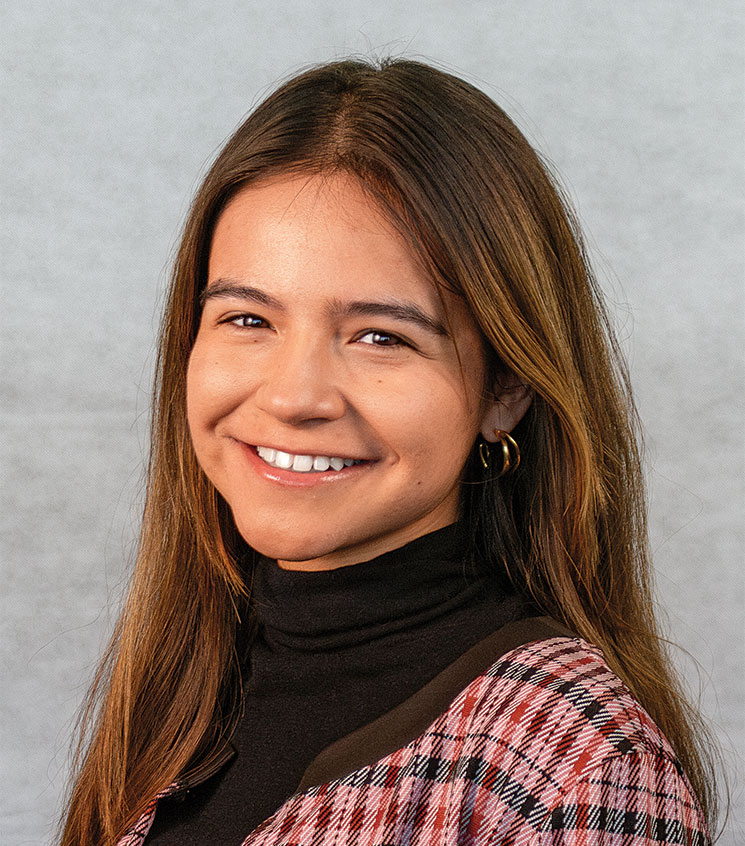 By Sofía Garduño | Journalist & Industry Analyst -
Thu, 12/04/2025 - 17:11
By Sofía Garduño | Journalist & Industry Analyst -
Thu, 12/04/2025 - 17:11
Mexico is considering a legislative proposal to introduce basic financial education across secondary, upper-secondary, and higher education programs, aiming to address persistent gaps in financial literacy that affect households and the broader economy.
The initiative, presented by MORENA Deputy Arturo Ávila, seeks to amend Article 30 of the General Education Law to integrate financial concepts into national curricula. The proposal has been sent to the Education Commission for review and discussion.
According to Ávila, the measure responds to findings from institutions such as the National Commission for the Protection and Defense of Financial Services Users (CONDUSEF) and Banco de México, which show that a significant share of the population lacks essential knowledge about savings, credit, investment, and financial planning. This gap often results in poorly informed decisions, over-indebtedness, and limited resilience to unexpected expenses, with implications for individual and national economic development.
“In many Latin American schools, financial concepts are scarcely taught. Universities focus less on personal finance and more on technical or professional topics,” writes Patricia Florencia, Founder and CFO, Pilou, on MBN. “This lack of early exposure means people may reach adulthood without understanding how to build future financial security,” she adds.
The proposed changes would require schools to introduce content that helps students understand the value of money, the role of savings, budgeting practices, responsible credit use, and short- and long-term planning. It would also encourage social entrepreneurship and responsible consumption by promoting ethical use of resources and supporting financial inclusion.
Ávila argues that early exposure to these topics can strengthen the country’s financial culture and support the development of informed and responsible citizens. He also notes that incorporating financial concepts into education could reinforce values tied to social justice and solidarity through ethical investment and rational resource management.
The proposal now moves through the legislative process, where lawmakers will determine whether financial education becomes a formal component of national study programs.
Rising life expectancy means people must save enough to fund longer retirements, making financial literacy increasingly important, according to the OECD. Research shows that stronger financial skills improve saving habits and credit and debt management. For example, Oscar Rosado, President, National Commission for the Protection and Defense of Users of Financial Services (CONDUSEF), highlights that 75% of Mexicans who track income and expenses avoided debt in the last month, and 37% were able to save or increase their savings, reports MBN.
However, an individual's level of financial education is closely tied to personal factors, according to Deloitte: “A person with a higher academic degree and higher salary is more likely to have more knowledge about the various financial products, while a person with lower education and income levels will have less knowledge on the subject.”
Over 56% of Mexican adults only reach secondary school, and no formal financial education is available to many. This lack of knowledge prevents many from navigating the financial system effectively, reports MBN.
“Cultural and educational factors play a big role, as many still prefer keeping their money “under the mattress” because they associate that with safety,” says Lina López, Regional Sales Director, Euronet, to MBN.
Because financial literacy is often influenced by family background, providing financial education in schools can help reduce disparities and break generational cycles of limited financial knowledge, particularly for vulnerable groups, reports the OECD.
The Mexican Institute of Finance Executives (IMEF) recommends tailoring financial education to local contexts by considering cultural practices and using modern tools. This includes introducing financial concepts early in the school system, offering accessible resources, and focusing on practical skills such as budgeting and debt management.
According to Deloitte, promoting financial inclusion in Mexico requires strengthening financial education programs that go beyond explaining financial products to also address how cognitive and emotional biases influence decision making.

Most popular