


Mexico to Present 40-Hour Workweek Reform Proposal on Nov. 20
 By Aura Moreno | Journalist & Industry Analyst -
Fri, 11/14/2025 - 14:25
By Aura Moreno | Journalist & Industry Analyst -
Fri, 11/14/2025 - 14:25
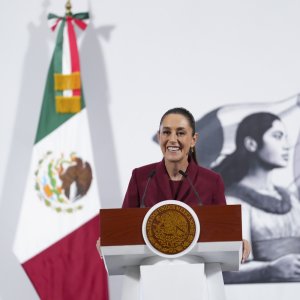
Mexico’s federal government is preparing to present a proposal on Nov. 20 to reduce the standard workweek from 48 to 40 hours, marking the culmination of a months-long process that began with a commitment by President Claudia Sheinbaum earlier this year. The Ministry of Labor and Social Welfare (STPS) is expected to deliver the initiative to Congress, where discussion will begin before the end of the current legislative period.
The path to the proposal began on May 1, when Sheinbaum publicly committed to pursuing a shorter workweek as part of her administration's labor agenda. Following the announcement, STPS launched a series of consultation forums in May, June and July with workers, employers, specialists and international organizations to gather technical evidence and align expectations. Deputy Patricia Mercado, as cited by El Economista, said the information generated during this phase established the foundation for the initiative. “We know it will have some form of gradual implementation, but we have to start now,” she said, noting that the proposal reflects the results of months of dialogue.
Industry groups contributed to the process during the same period. In July, the Mexican Association of Human Capital Companies (AMECH) participated in discussions with the government. Its president, Francisco Martínez, said the organization shared technical experience based on international cases and emphasized the need for gradual, phased implementation. He pointed out that Mexico’s sectoral diversity requires flexible mechanisms, citing agriculture, retail and manufacturing as examples where workforce structures differ significantly. Martínez said AMECH offered support services to help companies adjust through process optimization and cost control and expressed the association’s support for the reform as a step toward sustainable labor practices.
By late July, the consultation stage concluded. An analysis of the forums by Grupo Estrategia Política identified four areas of broad agreement: the potential of a reduced workweek to strengthen worker rights and productivity; the need for gradual adoption; the use of pilot programs to guide implementation; and the importance of fiscal incentives, training and targeted support for SMEs. However, disagreements persisted regarding the timeline for full implementation, the handling of increased labor costs and the specific legal structures requiring amendment.
As the consultations progressed, legislative activity gained momentum. Throughout the first half of the year and into October, new proposals were introduced in the Chamber of Deputies. By that time, 16 separate initiatives aimed at reducing the workweek had accumulated, including two new projects filed on Oct. 7 by the Labor Party (PT) and the Citizens’ Movement (MC). Some state legislatures, such as Baja California’s Congress, also contributed proposals, with one suggesting constitutional and Federal Labor Law changes that included premium pay for Saturday work. Legislators noted that debates around the topic had been ongoing for years, including a 2023 attempt that failed to advance due to the absence of a defined transition plan.
The accumulation of proposals created the expectation that once the President’s initiative is submitted, all prior versions will be set aside to focus analysis on a unified text. Mercado and other lawmakers said that the government’s draft incorporates feedback from employers and technical teams, including discussions on how the reform would apply to sectors such as agriculture, where seasonal variability complicates fixed weekly calculations, adding on to Martínez commentary. The proposed framework maintains the five-days-on, two-days-off structure without specifying which rest days should be used.
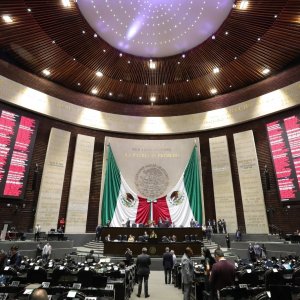
By early November, political signals indicated that the initiative would be presented near Nov. 20, though STPS did not publicly confirm the date. Sources close to the process said the draft is in its final stages and that the administration intends to fulfill its stated commitment. Legislators expect the Chamber of Deputies to issue a draft opinion before the end of the current session, enabling the Senate to continue debate in February 2026.
If Congress advances the draft before the session closes, it would signal coordinated political intent between the executive and legislative branches to move forward with the long-anticipated change. While the reform is not expected to take effect immediately, some lawmakers anticipate a phased implementation beginning as early as 1Q26.
You May Like






Most popular








