


Modern Workplaces Require Flexible, Hospitable Office Spaces
 By Sofía Garduño | Journalist & Industry Analyst -
Mon, 03/03/2025 - 11:18
By Sofía Garduño | Journalist & Industry Analyst -
Mon, 03/03/2025 - 11:18
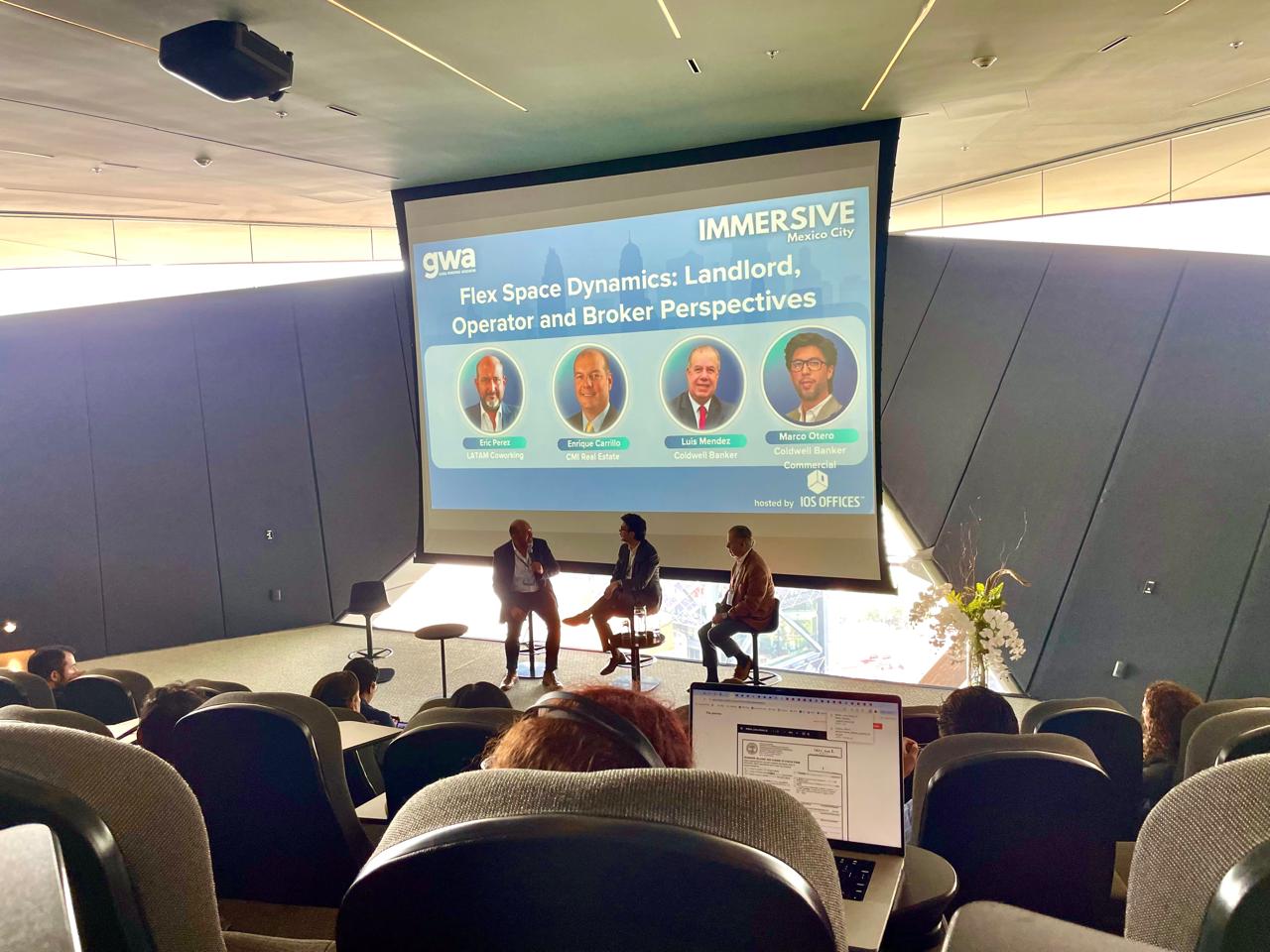
GWA Immersive Mex, hosted by IOS Offices, marked a significant milestone in the evolution of the flexible space industry. Held on Feb. 26, 2025, this gathering provided an in-depth, behind-the-scenes look into the world of flex spaces and their transformative impact on the workplace environment.
“We aim to support the industry in fostering relationships that facilitate information sharing,” says Giovanni Palavicini, Co-President, GWA, to MBN.
As the workplace continues to evolve, a new approach to flexible office spaces is emerging; one that goes beyond simply providing desks and chairs, focusing instead on creating a truly hospitable and adaptive environment for businesses of all sizes.
“After COVID-19, the idea of flexible spaces was reinforced, as the concept of hybrid spaces increasingly emerged as a working model that many organizations have adopted,” says Luis Mendez, President, Coldwell Banker.
This transformation is at the heart of a growing movement within the flex space market, driven by innovation, collaboration, and a deep understanding of what clients need. One of the most pressing issues the industry faces is the need to reframe the perception of coworking spaces.
Despite existing for more than 50 years, the sector remains fragmented, still trying to establish itself as a legitimate industry. The coworking industry continues to struggle as many believe that its offerings are short-term fixes, rather than valuable, long-term solutions.
While companies like Regus and WeWork grew rapidly, the broader market for coworking spaces remains underdeveloped in comparison to traditional office leasing. But there is a growing realization that the future of flex spaces lies not in competing on price, but in offering more comprehensive services that deliver true value to clients. “We, as an industry, must work on formalizing our value proposition and, instead of selling low prices, focus on selling added value,” says Javier García, CEO, IOS Offices.
This shift is not just about providing office space; it is about creating an experience. However, building spaces that satisfy both users and owners presents a range of challenges, primarily revolving around the traditional construction pillars: time, cost, and scope. Beyond these factors, ensuring durability, ease of maintenance, and flexibility is essential for long-term success. Spaces should be designed to remain relevant and functional for many years, allowing for modifications as business needs change. This involves not only selecting high-quality materials but also ensuring that the design evolves to accommodate growth and transformation.
Additionally, key trends in architecture and design play a significant role in shaping modern spaces. Technology has revolutionized building management, introducing a wide variety of tools from biometric access to smart systems that optimize energy use. Sustainability is crucial for reducing costs and minimizing carbon footprints, while wellness has become an essential consideration in creating environments that promote comfort and well-being.
As the flex space market evolves, the coworking sales process has also undergone significant changes, particularly after the pandemic, which accelerated the adoption of technology to meet shifting market demands, explains Paty Silva, Commercial Director, Sach. While the core of the sales process remains the same, the way companies interact with prospects and present spaces has shifted toward a more consultative, customer-focused approach. Tools like virtual tours have become essential in maintaining connections and offering tailored experiences to clients.
Another notable change is the evolving relationship between brokers and coworking companies. Previously, brokers mainly referred clients with specific needs, but now they actively seek the best options for their clients, using more technical and strategic language. The communication between brokers and coworking companies has become more proactive, with discussions about future projections, space availability, and new center openings. This strengthened collaboration has enhanced service quality and improved the efficiency of the sales process.
“What we need to do as an industry is to exchange ideas and see how we can contribute together. There is competition, but it should be healthy competition in which we all enrich each other,” says García.
As more players enter the market, the need for collaboration among operators, service providers, and clients has never been more important. This new approach, grounded in hospitality, innovation, and a deep understanding of user needs, could be key to unlocking the future of workspaces.
You May Like








Most popular








