Mexico, Chile Celebrate 25th Anniversary of their FTA
 By Adriana Alarcón | Journalist & Industry Analyst -
Thu, 06/27/2024 - 09:30
By Adriana Alarcón | Journalist & Industry Analyst -
Thu, 06/27/2024 - 09:30
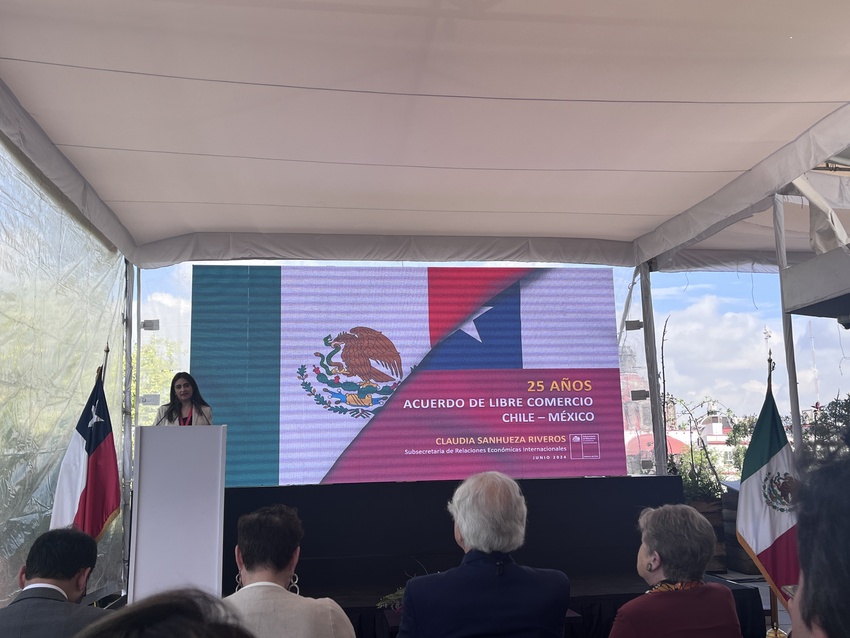
Mexico and Chile have strengthened their diplomatic and commercial relations with the celebration of the 25th anniversary of their Free Trade Agreement (FTA), the 50th anniversary of the promotion agency ProChile, and the 194 years of diplomatic relations between both countries. Authorities from both countries met at the “Encuentro Latam México 2024” event to celebrate and highlight the economic impact of their relationship.
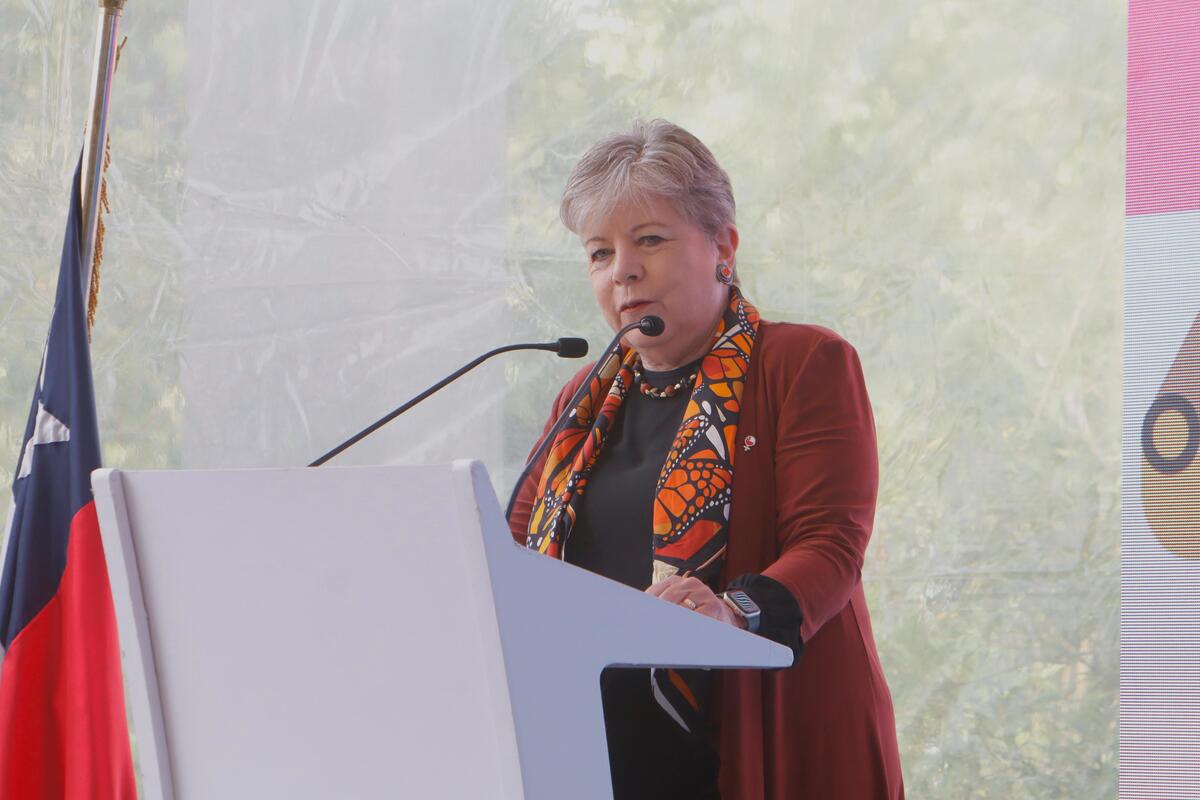
The event was attended by Beatriz Sánchez, Ambassador of Chile in Mexico; Alicia Bárcena, Mexico’s Minister of Foreign Affairs; Marcelo Sobarzo, Director, ProChile's Commercial Office; Claudia Sanhueza, Deputy Minister of International Economic Relations of Chile; Lorena Sepúlveda, National Director, ProChile.
"We have managed to overcome the geographical distance that has never kept us apart as friendly nations. There are three reasons why I am excited, one because Chile is my other home — I lived many years in Chile,” said Bárcena during the event.
She also discussed the importance of modernizing the FTA. "It has been modernized. We aim for large companies to guide SMEs, greater gender equality, and women in trade and investment; in the modernization of the agreement, we have a great opportunity to revive business communities and future industries,” said Bárcena.
She also highlighted the importance of the Interoceanic Corridor of the Isthmus of Tehuantepec (CIIT), which is expected to also benefit Chile. "Over the past 25 years, we have achieved a clear approach to foreign trade through other components such as the Pacific Alliance, Transatlantic Trade and Investment Partnership (TTIP). In this sense, we have much to learn from each other. Despite our differences, our economic trend is to boost the internal market and open up to the external market. We have more than 14 free trade agreements, giving us a legal framework to work between Mexico and Chile," said Bárcena.
She was also optimistic about future business opportunities arising from the modernization of the treaty. "I hope that you, the entrepreneurs, find in this modernization of the treaty and this rapprochement of our companies, significant opportunities not only for the Mexican market but also for the North American market. We know there is great industrial potential between the countries. Trade tripled with the treaty's entry into force," she said.
Advances in Diplomatic and Commercial Relations
Since the signing of the Free Trade Agreement in 1999, commercial relations between Chile and Mexico have greatly advanced, said Sanhueza. In 2023, Mexico became Chile's eighth-largest trading partner, with a trade exchange reaching US$3.4 billion, growing at an average annual rate of 3.8% since 1998. Chilean exports to Mexico grew from US$488 million from 1998 to US$1.7 billion in 2023, an average annual increase of 5.2%.
In 2023, Chile exported 1,343 different products to Mexico, with 88% of these exports being non-traditional, meaning excluding copper, lithium carbonate, and cellulose. These non-traditional exports have grown at an average annual rate of 7.7% over the past 25 years.
Innovation and Diversification of Exports
Previously in an interview with MBN, Sobarzo said that Chilean exports have changed significantly over the past 25 years. ProChile manages all exports except copper and lithium. From 1998, non-copper exports have grown over 20 times, from nearly US$85 million to over US$1.7 billion in 2023, a 13.8% annual growth rate.
The Chilean exports to Mexico that have grown the most include salmon, mineral fertilizers, wines, poultry meat, canned peaches, cardboard, wood panels, dried plums, gouda cheese, tomato purées, fresh kiwis, and fresh garlic.
Chilean imports from Mexico also show great diversification, with more than 99% of imports being non-hydrocarbons. The fastest-growing imported products from Mexico include televisions, cars, computers, shampoo, medicines, tractors, toothpaste, cheeses, razors, and pickup trucks.
Impact of the Agreement on Services and Investments
The FTA has boosted not only the trade of goods but also services, which experienced an average annual growth of 30% between 1998 and 2023. Services include IT consulting, application design and development, market research, and original software design.
Mexico is the sixth-largest investor in Chile among Latin American countries, with Mexican capital stock in Chile amounting to US$732 million in 2022, distributed across telecommunications, retail, agri-food, and financial services. Chile, in turn, has invested US$1.3 billion in Mexico in areas such as retail, renewable energy, forest products, and financial services.
Modernization of the Agreement and Future Perspectives
In 2024, Chile and Mexico made strides in modernizing the FTA, focusing on inclusive trade and SMEs. These initiatives play a key role in mobilizing public resources and including more groups in regional and local value chains, said Sanhueza.
Encuentro Latam México 2024 underscored the commitment of both countries to continue strengthening their commercial and diplomatic relations. Sobarzo emphasized the need to diversify Mexico's trade, which is heavily concentrated on the USMCA, and to encourage viewing Chile as an important strategic partner.
Negotiations to modernize the FTA concluded on June 25, and both countries are expected to continue working closely to expand their commercial and economic ties in the coming years.

You May Like








Most popular