


Mexico Sees Record FDI Growth in 2024 Driven by Manufacturing
 By Paloma Duran | Journalist and Industry Analyst -
Tue, 07/22/2025 - 13:44
By Paloma Duran | Journalist and Industry Analyst -
Tue, 07/22/2025 - 13:44
Mexico received US$45.34 billion in FDI in 2024, a 47.9% increase compared to 2023 and the highest annual total since 2013, according to the 2025 UN ECLAC report on FDI in Latin America and the Caribbean.
This surge positioned Mexico as the second-largest recipient of FDI in the region, trailing only Brazil, which reported US$71.07 billion, representing a 13.8% increase. Together, the two countries accounted for 61.6% of all FDI inflows to Latin America, driving the region’s overall growth to 7.1% in 2024 and pushing total investment to US$188.9 billion.
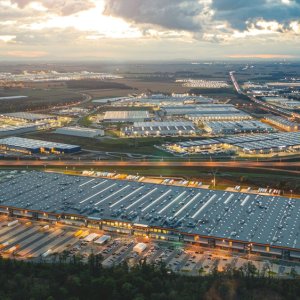
The manufacturing sector played a key role, attracting 53% of Mexico’s total FDI, with a 10% annual increase. Key subsectors included transport equipment manufacturing, which grew by 35% and accounted for nearly half of all manufacturing inflows, as well as beverages and tobacco. The services sector came in second, capturing 42% of total FDI, with the largest growth seen in financial and insurance services.
According to ECLAC, the United States remained the top source of FDI in Mexico, with inflows rising 23%, followed by Japan and Germany. In addition to actual investment, announced projects also surged. Brazil, Mexico, Argentina, and Guyana led in investment announcements in 2024. The total value of announced projects in Latin America hit US$168.2 billion, a 40% jump from 2023 and the highest figure ever recorded.
Mexico’s growth in investment announcements was fueled largely by Mexico Pacific’s LNG megaproject, which includes the Saguaro Energía Terminal and the Sierra Madre Pipeline. The company committed an additional US$15 billion, bringing its total investment in Mexico to US$30 billion, making it the largest private investor in the country’s history. The new project alone accounted for 35% of all investment announcements in Mexico in 2024.
Looking ahead, ECLAC cautioned that growing geopolitical tensions in 2025 could impact investment decisions, but noted it is still “too early to fully assess the effects of recent changes in US trade policy.”
You May Like






Most popular








