


Mexico Air Cargo Falls 5.2% in 1H25, AFAC Reports
 By Teresa De Alba | Jr Journalist & Industry Analyst -
Fri, 08/22/2025 - 15:35
By Teresa De Alba | Jr Journalist & Industry Analyst -
Fri, 08/22/2025 - 15:35
Mexico’s air cargo sector recorded a 5.2% decline in 1H25 compared with the same period in 2024, according to operational statistics released by the Federal Civil Aviation Agency (AFAC). Total cargo handled at Mexican airports reached 588,461.2 metric tons from January to June 2025, down from 620,483.3 metric tons in 1H24.
AFAC data show that seven major airports reported cargo decreases, while three registered increases. Felipe Ángeles International Airport (AIFA) recorded the largest volume drop among major hubs, with a 14.7% decline, falling from 223,087.9 metric tons in 1H24 to 190,232.6 metric tons in 1H25. Toluca International Airport registered the steepest percentage decline at 20.6%, with cargo falling from 19,523.9 to 15,509.1 metric tons.
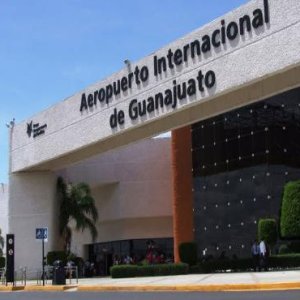
In contrast, Mexico City International Airport (AICM) saw a 5.3% rise in cargo movement, growing from 115,770.3 to 121,866.0 metric tons. Guadalajara International Airport posted a modest gain of 1.3%, reaching 85,530.2 metric tons, while Queretaro International Airport reported a 2.2% increase to 38,480.8 metric tons. Other airports with declines included Monterrey (–2.4%), Tijuana (–4.6%), San Luis Potosí (–3.0%), Cancun (–0.2%), and Merida (–6.8%). Cargo volumes at all remaining airports combined fell slightly by 0.2%, from 38,225.6 to 38,165.0 metric tons.
International air cargo was the most affected segment, posting a 6.9% decrease to 401,880.5 metric tons in 1H25. The downward trend continued in June, with cargo volumes falling 3.2% to 72,487.8 metric tons. By airport, AIFA reported a 14.3% drop in international cargo for the semester, totaling 184,906.5 metric tons. AICM experienced an 11.3% decline in June alone, though its cumulative international cargo volume for 1H25 rose 4.0% to 93,074.3 metric tons. Guadalajara saw a 4.2% increase in international cargo, reaching 63,473.5 metric tons.
Herman Tse, valuations manager at Cirium Ascend Consultancy, told Expansión that the return of Donald Trump to the US presidency has reintroduced a protectionist trade agenda, disrupting global supply chains. “The effectiveness of the new tariffs in significantly reducing the US trade deficit and improving economic conditions remains uncertain. However, a decline in air cargo demand is expected,” Tse said, noting that the policy shift is beginning to affect international logistics, particularly in regions heavily exposed to US trade, including Mexico’s air freight sector.
You May Like



Most popular








