


Mexico City Farmers Sell 93% of Cempasuchil Crop
 By Eliza Galeana | Junior Journalist & Industry Analyst -
Wed, 11/05/2025 - 12:31
By Eliza Galeana | Junior Journalist & Industry Analyst -
Wed, 11/05/2025 - 12:31
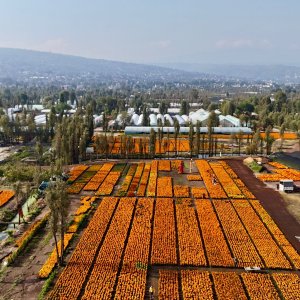
Mexico City’s Ministry of Environment (SEDEMA), through the Directorate-General of the Commission for Natural Resources and Rural Development (DGCorenadr), reported that 93% of the cempasuchil flowers grown in Mexico City’s conservation land have been sold this season. The sales represent nearly 5.96 million plants and an estimated economic benefit of MX$101.7 million (US$5.4 million) for 460 rural families in Xochimilco, Tlahuac and Milpa Alta.
This year’s production reached 20 states across the country. Due to the quality of the flowers, part of the production was pre-committed before the official start of sales. The remaining percentage corresponds mainly to flowers reserved for seed recovery, particularly the clemolito variety.
According to SEDEMA, this outcome reflects the work of rural producers and the comprehensive strategy of the Altépetl Bienestar (Altépetl Wellbeing) program, which provides direct financial support, technical training, investment in rural infrastructure, access to technology, and marketing strategies. The initiative also included road improvements, the opening of agro-tourism routes in San Luis Tlaxialtemalco, the establishment of direct sales points, and promotional campaigns such as the Cempasúchil Flower Festival on Paseo de la Reforma.
Cempasuchil production in the capital has grown since the implementation of Altépetl Bienestar. In 2018, the region produced 664,000 plants; this year, production exceeded 6.3 million pots, more than ten times higher, positioning Mexico City as one of the country’s main producers.
This agricultural cycle included a public investment of more than MX$15 million through the Sembrando Vida (Sowing Life) and Bienestar para el campo (Wellbeing for the Countryside) components, supporting field improvement, rural road development, and harvest logistics to ensure quality, traceability, and market access.
Beyond economic benefits, cempasuchil cultivation supports environmental conservation. Farmers employ traditional techniques such as chapín, which uses fertile canal mud to form planting beds. This ancestral method maintains canal depth, promotes water infiltration, supports aquifer recharge, and sustains local biodiversity, thus helping preserve ecosystems in conservation zones and the chinampa area.




Most popular








