


Pollinator Declines Drive Capacity-Building Efforts
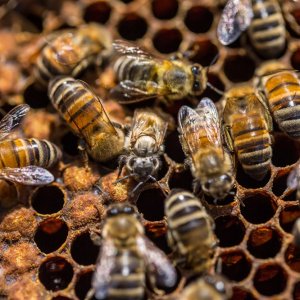
Pollination is essential to global food production and terrestrial biodiversity. Yet, multiple pollinator species are declining in many regions worldwide. In Latin America, annual losses of honeybee and stingless-bee colonies are estimated at 30% to 40%, posing a direct risk to food security and the livelihoods of millions of small-scale producers.
In response FAO through the International Pollinators Initiative, and the German development cooperation (GIZ), via the project, Protection of Pollinating Insects in Latin America and the Caribbean (Poli-LAC), convened 50 representatives from Brazil, Costa Rica, Peru, Mexico, Guatemala, and Paraguay this week. The objective was to strengthen technical capacities and exchange knowledge on pollinator-friendly agricultural practices.
“For FAO, holding this workshop in Peru is strategic given the central role of pollinator conservation in family farming and in the sustainability of agrifood systems. The meeting made it possible to highlight the relevance of the issue and contribute to strengthening training actions that guarantee more resilient production systems,” said Melissa Marín, Sustainability and Animal Diversity Specialist, FAO Regional Office for Latin America and the Caribbean.
The workshop focused on equipping key trainers from participating countries with tools and knowledge to support the implementation of pollinator-friendly practices. Experts, technicians and decision-makers contributed to the evidence base needed for designing policies that promote pollinator protection in the region.
“We have made progress in identifying resources for capacity strengthening and we are moving forward in planning early products such as replication plans and identifying key partners, target groups and centers of excellence,” said Andreas Gettkant, Director, Poli-LAC regional project.
The initiative also opened discussion on training methodologies and the structure of a Training of Trainers (ToT) approach. The regional exercise is expected to support the development of a common methodological framework to train stakeholders involved in pollinator-related activities.
Why Pollinator Protection Matters
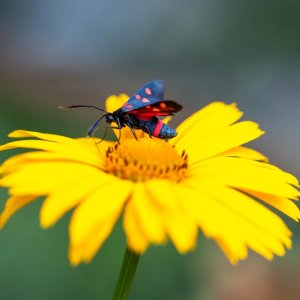
More than 75% of the world’s food crops depend, at least in part, on pollination. However, populations of bees, butterflies, beetles, and pollinating birds continue to decline. Multiple factors drive this decline, including habitat loss, intensive pesticide use, climate change, disease, invasive species, and industrial agriculture. While the issue is complex, practical solutions are emerging across regions.
Environmental organizations note that individuals can contribute by creating small pollinator habitats in gardens, terraces, or balconies. Planting native flowers such as sage, lavender, or dandelion, reducing uniform lawns and allowing areas with natural vegetation, logs or fallen leaves can help support pollinator populations. Programs such as Bee Friendly Gardening and the Xerces Society’s Bring Back the Pollinators have demonstrated the value of these microhabitats.
Pesticides, including neonicotinoids, have been identified as major threats to pollinators because they affect insect fertility and survival. Environmental groups recommend eliminating pesticide and herbicide use, even those labeled “bee safe,” and replacing them with natural alternatives such as diluted vinegar or potassium soap.
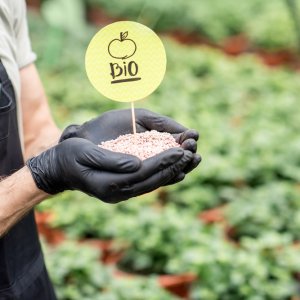
Sustainable agricultural practices create opportunities to rebuild pollinator populations. For example, in Europe, organic production standards require farming methods compatible with environmental protection and pollinator health. Consumers can support these systems by purchasing seasonal fruits and vegetables, organic produce, and honey from local beekeepers.
You May Like


Most popular








