


Texas Calls for Reopening Border to Mexican Cattle
Texas Agriculture Commissioner Sid Miller stated that conditions now exist to reopen the border to cattle imports from Mexico and called for trade to resume as soon as possible. His comments come after the United States and Mexico failed to reach an agreement to reopen trade, which has been partially frozen for almost a year due to a screwworm outbreak.
"We need to open the border as soon as possible. It can be done now, without any risk of screwworm crossing with the cattle; we have too many controls and security measures." Miller noted that cattle go through quarantine and are inspected by USDA veterinarians. However, Mexico's Minister of Agriculture, Julio Berdegué, stated after a meeting in Washington that while advances were made, the conditions to announce a reopening date do not yet exist.
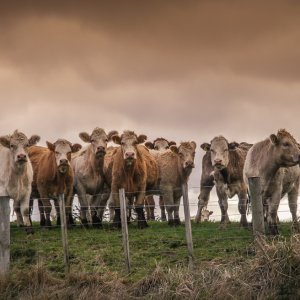
Imports of cattle from Mexico average more than 1 million heads annually, representing about 60% of all US live cattle imports and around 3% of the national herd. Most of these animals are feeder calves sent to ranches and feedlots in Texas, Oklahoma, and New Mexico to be raised for meat production. "We need those cattle as part of our agricultural economy. If we do not open soon, Mexico will feed them with their own corn, process them in their plants, and we will lose that business,” Miller said.
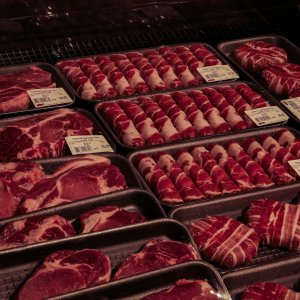
The US cattle inventory is currently at its lowest level in decades. This is attributed to factors including droughts, rising maintenance costs, and the suspension of imports from Mexico, reports El Financiero. This situation, combined with high consumer demand, has pushed beef prices in supermarkets to record levels, according to the Texas Farm Bureau. The average price of ground beef rose to US$6.12/lb in June 2025, up nearly 12% from the previous year, while steak prices increased 8% to US$11.49/lb, according to the US Bureau of Labor Statistics.
Miller has sent a proposal to President Trump to address the situation, including increasing land for grazing and offering tax incentives to cow-calf producers. He warned that if prices remain high, consumers will switch to cheaper meats like chicken, pork, or fish.
You May Like


Most popular








