


Weather Hits Crops; Logistics Heat Up in the Agrifood Sector
 By Eliza Galeana | Junior Journalist & Industry Analyst -
Wed, 11/26/2025 - 12:57
By Eliza Galeana | Junior Journalist & Industry Analyst -
Wed, 11/26/2025 - 12:57
Drought and rising production costs have pushed mandarin orange prices to their highest levels in years. Meanwhile, the government promotes the health benefits of beans and their importance to national identity.
This is the Week in Agribusiness and Food!
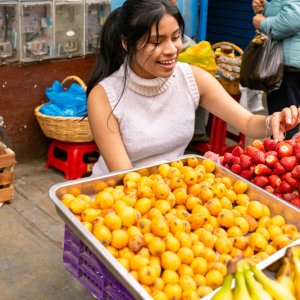
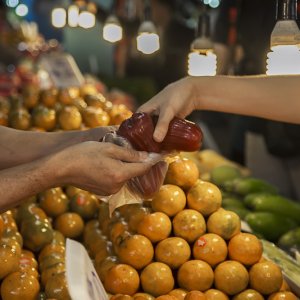
Drought, Demand Drive Sharp Rise in Mandarin Orange Prices
Mandarin orange prices in Mexico have risen more than 20% in the 2025 autumn–winter season due to drought, irregular rainfall, higher production and transport costs, and increased seasonal demand. Prices vary widely across the country, reaching up to MX$120/kg in states with limited supply, while competition from higher-quality Peruvian imports, sold at around MX$100/kg, continues to influence consumer preferences and market dynamics. Despite efforts by vendors to contain costs, reduced domestic production and evolving purchasing habits are reshaping the seasonal citrus market, even as mandarins remain a popular fruit for their flavor, cultural relevance, and nutritional value.
Bean Fair Highlights Nutrition, Food Sovereignty
Mexico City’s government hosted the Bean Fair to promote the cultural, nutritional and economic importance of beans amid a long-term decline in national consumption. Producers from key bean-growing states showcased multiple native varieties, while authorities highlighted programs that guarantee fair prices, preserve seed diversity and support food sovereignty. The event also featured academic projects focused on sustainable agriculture and reiterated the need to combat stigma around legumes, which experts say are a nutritious, affordable alternative to animal protein.
Mexico’s Russian Wheat Imports Plummet Nearly 90%
Mexico’s imports of Russian wheat collapsed by nearly 90% in 2025, reflecting lower demand and a domestic market strained by high production costs, weak international prices, and an unfavorable exchange rate. While Russia continues expanding its export reach, Mexican grain producers face severe profitability challenges, sparking protests and demands for guaranteed prices, fair marketing conditions, and higher profit margins. In regions like the Mexicali Valley, farmers are preparing for the upcoming planting cycle without price certainty, pushing authorities and industry players for negotiations to secure sustainable returns.
Cold Chain Demands Rise as Online Grocery Purchases Expand
Mexico’s booming online grocery market, driven by nearly one-third of consumers purchasing food online weekly, is dramatically increasing the demand for reliable, refrigerated last-mile logistics. As e-commerce expands, industry leaders emphasize that precise temperature control, digital monitoring tools, and sustainable cold-chain investments are now essential to maintain product integrity and competitiveness. With rising customer expectations for speed, quality, and transparency, companies that adopt cleaner, tech-enabled refrigerated transport solutions are best positioned to lead the next phase of Mexico’s food e-commerce growth.
US Drops Tariffs on Brazilian Coffee Amid Trade Negotiations
The Trump administration has lifted a 40% tariff on Brazilian agricultural imports easing pressure on US supplies and helping cool global coffee prices. The move triggered sharp declines in arabica and robusta futures, though traders warn that global supply remains tight amid low stocks and La Niña-related risks. While the exemption offers near-term relief for U.S. buyers, broader trade tensions persist as Washington continues its Section 301 investigation into Brazil’s digital and agricultural policies.
You May Like




Most popular








