


European Automakers Face Growing Risks from Trade Tensions
 By Óscar Goytia | Journalist & Industry Analyst -
Thu, 12/05/2024 - 14:17
By Óscar Goytia | Journalist & Industry Analyst -
Thu, 12/05/2024 - 14:17
European automakers are becoming increasingly vulnerable to global trade tensions and regulatory pressures due to their wide geographic diversification, according to Fitch Ratings.
Companies like Volkswagen and Stellantis, with significant production operations in Mexico, face potential challenges tied to the upcoming 2026 US-Mexico-Canada Agreement (USMCA) review and the possible introduction of tariffs on automotive imports.
Fitch’s Global Automotive Outlook 2025 highlights that new tariffs could further strain profitability, as reconfiguring supply chains to bypass these tariffs would be costly and time-intensive. However, direct European exports to the United States, which account for less than 10% of European automakers' sales, pose a relatively limited risk.
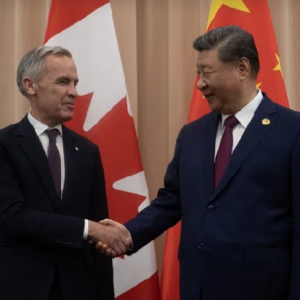
Adding to the challenges, the European Commission's recent tariffs on imported Chinese electric vehicles (EVs) could provoke retaliatory measures from China, potentially threatening the already pressured margins of German automakers in the competitive Chinese market.
European carmakers are also contending with a slower recovery in vehicle sales, which remain nearly 20% below pre-pandemic levels. To adapt, manufacturers such as Volkswagen and Stellantis have initiated cost-reduction programs, leading to expected charges through 2024 and 2025. This adjustment comes as the industry prepares for a wave of mass-market EV launches in 2026, which Fitch anticipates will dilute margins.
Further pressure comes from regulatory requirements, such as the EU’s 2025 CO2 emissions target of 93.6g/km. Faltering EV sales across Europe leave automakers exposed to potential fines, though the exact financial impact will depend on the industry’s ability to adjust zero-emission vehicle mixes and leverage carbon credit pooling.
Despite reduced investments in new powertrain technologies and battery platforms, European automakers have reallocated capital to protect profitability and free cash flow. According to Fitch, these measures provide some cushion against the costs of severance programs and other non-operating expenses.

You May Like






Most popular








