


Mexico Auto Industry Flags Supply Chain Risks from Blockades
 By Teresa De Alba | Jr Journalist & Industry Analyst -
Fri, 11/28/2025 - 14:25
By Teresa De Alba | Jr Journalist & Industry Analyst -
Fri, 11/28/2025 - 14:25
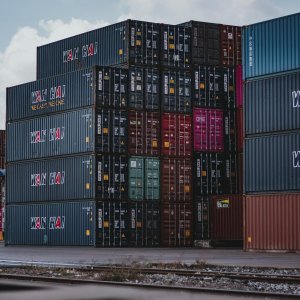
Mexico’s main automotive associations warned that ongoing blockades on highways, rail corridors, and customs posts are disrupting supply chains connecting production in Mexico and the United States. The joint statement, issued Nov. 25 by the National Auto Parts Industry Association (INA), the National Association of Bus, Truck and Tractor-Truck Producers (ANPACT), Mexican Association of Automotive Dealers (AMDA), and the Mexican Automotive Industry Association (AMIA), expressed “deep concern” over the interruptions.
The groups said the blockades have “significantly affected the supply chain for vehicle production plants in both Mexico and the United States,” limiting the delivery of components to assembly lines and delaying the shipment of finished vehicles. They added that the disruptions are constraining Mexico’s ability to supply inputs to US facilities and reducing the availability of units and parts destined for the domestic market.
While acknowledging the “social issues” that may motivate the blockades, the associations urged authorities and stakeholders to restore normal operations at highways and customs sites and to implement measures that prevent future disruptions. They stressed that such steps are essential to safeguard the free movement of goods and people and protect economic activity.
At the end of October, the National Front for the Rescue of Mexican Farmland (FNRC), the Agrarian Farmers’ Movement, and the National Association of Transporters (NTA) staged blockades that halted key transport routes and disrupted the flow of auto parts to major manufacturing hubs. The stoppages forced Audi Mexico to suspend operations at its San Jose Chiapa plant in Puebla, while Nissan reported similar effects in Aguascalientes, highlighting the vulnerability of just-in-time production systems.
The impact widened as General Motors halted production at its Silao plant due to parts shortages, Mazda implemented temporary suspensions in Salamanca, and tire producer Pirelli reported operational disruptions.
AMIA president Rogelio Garza said the blockades prevent essential inputs from reaching assembly plants, causing line stoppages and direct financial losses. “On average, per shift, losses are about US$1.5 million,” he told El Universal, adding that a plant operating three shifts may lose roughly US$4 million per day.
Farm producers and transport operators launched new blockades on Nov. 25 across highways in 23 states and at access points into Mexico City to protest what they described as federal inaction on their demands. Agricultural groups cited a lack of support amid falling crop prices linked to increased imports and voiced opposition to the federal government’s proposed Water Law. Transport workers pointed to persistent insecurity on national roads, saying drivers face daily theft, extortion, and violence carried out by criminal groups and, in some cases, by police.
You May Like






Most popular








