

The Evolving Latam Consumer: Between Distrust and Empowerment



STORY INLINE POST








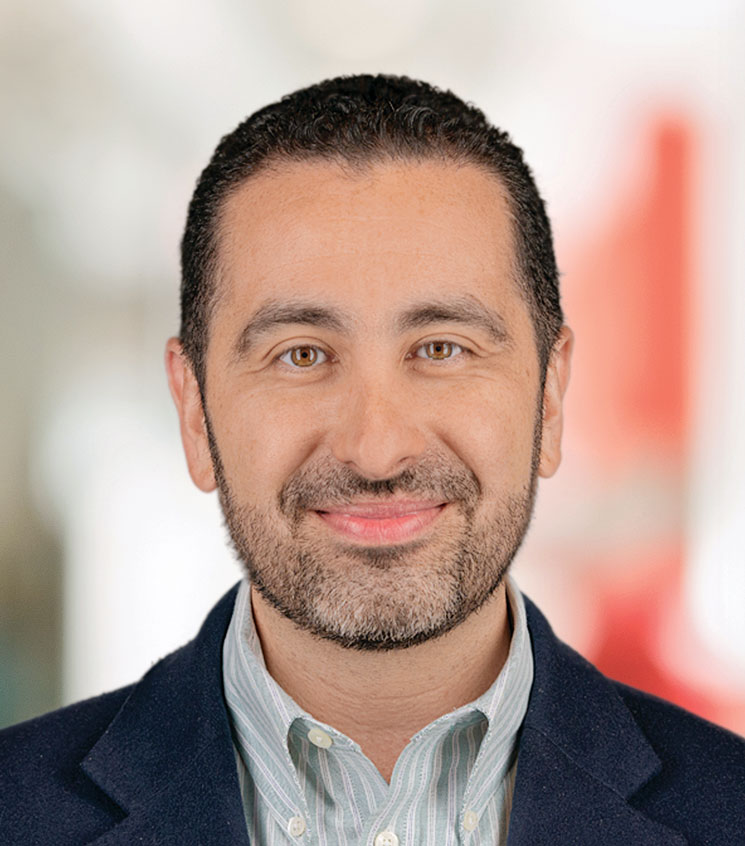 By Carlos Martinez | Partner and Office Head -
Tue, 05/06/2025 - 07:00
By Carlos Martinez | Partner and Office Head -
Tue, 05/06/2025 - 07:00
Belonging to a region historically marked by inequality, economic volatility, and a changing global context, Latin American consumers are reconfiguring their purchasing priorities with a more informed and conscious perspective, influenced by the social and economic dynamics of their environment. In this new scenario, the act of consumption transcends the satisfaction of immediate needs and becomes a manifestation of personal values and ethical commitments.
At Bain & Company, we recently released our annual “Consumer Pulse Latam 2025” report, which highlights how consumer needs and preferences are evolving when it comes to choosing products. The findings are prompting brands and policymakers to rethink their strategies to better align with today’s consumer expectations.
1. A More Conscious — But Also More Distrustful — Consumer
It’s telling that 8 in 10 Latin American consumers don’t fully trust brands. This statistic, troubling on its own, becomes even more relevant when placed against the backdrop of companies racing to label themselves as “sustainable,” “inclusive,” or “conscious.” The message from consumers is clear: intentions aren’t enough anymore. People are scrutinizing whether a brand’s actions match its promises. Today’s consumer is informed, discerning, and unwilling to be taken at face value. For brands, that means walking the talk is no longer optional — it’s essential.
2. The Power of Locality and Community
Seventy-five percent of consumers say they would prefer to buy from local brands, as long as quality and pricing hold up. This preference isn’t just a trend, it’s a shift in mindset. Consumers across Latin America are redefining value to include social impact, cultural relevance, and support for local ecosystems. For global brands, the takeaway is clear: Succeeding in this market will depend on more than distribution or brand awareness. It requires a deeper connection to the communities being served.
3. Inflation Is Changing What “Value” Means
Despite high inflation and stagnant wages, 60% of consumers say they’re willing to pay more for sustainable products. That may sound contradictory, but it actually reflects a new understanding of “value.” People are no longer just looking for savings; they’re looking for meaningful purchases. Spending, in this context, becomes an expression of values.
In Mexico, this tension plays out vividly. Consumers are cutting back on clothing (39%), food (35%), and dining out (31%), while at the same time, over half (53%) are enrolled in loyalty programs. These behaviors show not just caution, but adaptability, intentionality, and resilience. In uncertain times, consumers are learning how to stretch their budgets without compromising their principles.
4. Digitalization With Purpose, Not Just Fashion
Contrary to the outdated image of the impulsive online shopper, Latin American consumers are approaching e-commerce with discernment. In fact, 52% prioritize platforms that provide product traceability and transparency about production conditions. Even in digital spaces, trust remains the single most important factor influencing purchase decisions.
In Mexico, the digital shift extends beyond shopping. Consumers are increasingly embracing digital tools to manage their health and finances. As Marcelo Rodríguez, partner at Bain & Company and head of the Consumer Products practice in Mexico, explains: “Mexicans are adopting a more digital approach to navigate economic challenges. Emerging technologies like artificial intelligence are playing a key role in helping them optimize personal finances.”
Notably, 50% of Mexican consumers already use AI tools, especially millennials and Gen Z. And this digital maturity is expanding into health as well, with a growing number of people turning to telemedicine and digital health monitoring. The lesson? Digital engagement isn’t about novelty, it’s about solving real problems.
5. Brands No Longer Compete Only in the Market, but in the Conversation
Consumer loyalty has become increasingly fragile: 40% of Latin American consumers switched brands last year due to ethical concerns. In this environment, staying silent or vague on key issues isn’t strategic — it’s risky. Today, brands are judged not only by what they sell, but by what they stand for.
In Mexico, this pressure is compounded by a challenging context. Financial stress is rising, reflected in a drop in Net Promoter Score from 15% in 2023 to just 5% in 2025. Top consumer concerns now include financial uncertainty (52%), physical health (39%), and political instability (29%). While most can still afford essentials, disposable income is shrinking, and expectations are sharpening.
In today’s market, awareness, consistency, and authenticity are non-negotiable. Brands that fail to evolve with consumers risk becoming irrelevant. In 2025, offering a good product is just the baseline. Earning trust, being transparent, and committing to shared values are what set enduring brands apart. Because in this new consumer landscape, principles — not just price — drive purchasing decisions. Authenticity is no longer a differentiator. It’s a requirement.
You May Like





Most popular








