


CNE Authorizes Cogeneration Plants for Minsa
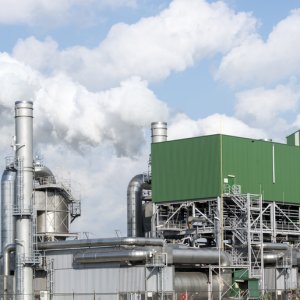
SENER has authorized Minsa to build four natural gas cogeneration plants to supply electricity to its factories and provide process gases for corn drying ovens. The permits were granted by CNE under the administration of President Claudia Sheinbaum, enabling plants in Veracruz, Jalisco, Coahuila and Sinaloa, all under the self-consumption cogeneration model.
Minsa, a leading producer of nixtamalized corn flour in Mexico with six domestic plants and two in the United States, first applied for the permit in February 2025 for a facility in Jaltipan, Veracruz. The company subsequently submitted documentation in September 2025 for the other three sites after the dissolution of CRE, at the request of the previous federal government.
Under the approvals, each permit will have a 20-year duration starting in December 2025. The plants are expected to begin operations in early 2026, with facilities in Ahome, Ramos Arizpe and Jaltipan slated to be ready by Jan. 31, 2026, and the Guadalajara facility scheduled for Feb. 28, 2026.
In Guadalajara, the plant will consist of three microturbines with a combined capacity of 2.4MW, projected to generate 21.02GWh annually from consumption of 5.573MMm3 of natural gas. Exhaust gases with a temperature of 290°C and a flow of 15.9kg/s will be used in six corn drying ovens. The Ahome plant will operate with two microturbines totaling 1.2MW, with an estimated annual generation of 10.51GWh and a natural gas requirement of 3.127MMm3. Exhaust gases at 290°C with a flow of 7.8kg/s will be directed to four drying ovens. In Ramos Arizpe, the station will employ two 0.8MW microturbines for a total capacity of 1.6MW and annual output of 14.02GWh, with gas consumption of 3.7MMm3. Exhaust heat of 290°C and a flow rate of 10.6kg/s will be used across four ovens. Lastly, the Jaltipan facility will mirror Ahome’s configuration with two microturbines producing 1.2MW, annual generation of 10.51GWh and fuel consumption of 3.268MMm3 of gas.
The cogeneration model enables Minsa to self-generate power while using waste heat for industrial processes, aligning with broader energy policy goals that aim to increase efficient use of fossil fuels amid ongoing debates over energy transition priorities. Industrial cogeneration has been limited in recent years, with few approvals under the previous administration; the new permits mark a departure from that trend.
These developments occur alongside other national energy infrastructure moves. The Federal Electricity Commission (CFE) has been advancing its own gas-fired generation projects, including a multi-billion-dollar cogeneration investment plan at PEMEX facilities that will add more than 2,400MW to the grid by 2030, supporting heat and power production at major refineries and complexes. Mexico’s long-term energy expansion strategy through 2030 includes adding nearly 29,000MW of new capacity across renewable and thermal projects to meet growing demand, with natural gas playing a key transitional role.


Most popular








