


Distributed Generation Capacity Rises 31.6% in 2024
 By Sergio Taborga | Journalist & Industry Analyst -
Thu, 08/08/2024 - 09:10
By Sergio Taborga | Journalist & Industry Analyst -
Thu, 08/08/2024 - 09:10
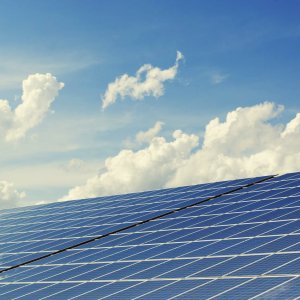
The country's installed capacity for distributed generation grew by 31.6% between 2023 and 2024, according to the latest report from CRE. During the first half of 2024, capacity increased by 936.57MW, reaching a total of 3,891.22MW. This growth is attributed to the rise in interconnection contracts with CFE Distribución.
The number of contracts grew by 25.5%, from 367,207 to 460,896, representing an increase of 93,689. In its report, Interconnection Requests for Power Plants With Less Than 0.5MW of Capacity, Jalisco appears to lead in installed capacity (589.16MW) and number of interconnection contracts (81,928), growing from 455.82MW and 67,194, reflecting increases of 29% and 22%, respectively. Nuevo Leon recorded a capacity of 406.78MW and 52,553 contracts, with increases of 29% and 30%, compared to the same period the previous year.
Investment in distributed generation increased by 31.5%, rising from US$3.952 billion in the first half of 2023 to US$5.2 billion in the same period of 2024, a difference of US$1.248 billion. Photovoltaic solar generation remains dominant in the distributed segment, although its share in the distributed mix slightly decreased from 99.34% to 99.373%, according to CRE, despite the number of contracts rising from 366,950 to 460,608.
While generation keeps growing, transmission and distribution projects remain lacking. Between 2015 and 2022, SENER promoted before CFE the construction of 318 expansion and modernization projects, 192 of the National Transmission Network (RNT) and 126 of the General Distribution Networks of the Wholesale Electricity Market (MEM). However, by the end of 2022, only 30 projects had been completed, nine transmission and 21 distribution projects. Between 2020 and 2022, the length of transmission lines increased by less than 1% (188km), from 110,497km in 2020 to 110,685km in 2022.
Currently, the growth of the RNT and bottlenecks are the main challenges in terms of energy security to ensure that current development opportunities can be met. Several administrations have subverted the RNT, with an investment budget of between MX$3 billion and MX$6 billion (US$166 million and US$332 million) per year, well below the investment in generation and a fraction of CFE's total budget. This situation has been constant since the 2014 Energy Reform.
The PRODESEN 2024-2028 outlines the integration of further power plants. This is aimed at meeting the expected growth in electricity demand while also addressing the modernization and capacity increase of transmission and distribution lines. The National Electricity System considers investments of MX$30.441 billion (US$1.704 billion) from 2025 to 2028 in the General Distribution Networks (RGD), alongside new investments in smart grids, the RNT with 70 identified projects (2,015 MVA of transformation capacity), and additional electrical substations.
President-elect Claudia Sheinbaum has also expressed her concern regarding the modernization of infrastructure. Sheinbaum mentioned that “CFE will guarantee and strengthen energy transmission and distribution capacity and maintain its participation in electricity generation.”
You May Like







Most popular








