


Mexico Plan: Energy Justice, Made in Mexico Seal
 By Fernando Mares | Journalist & Industry Analyst -
Wed, 06/04/2025 - 10:40
By Fernando Mares | Journalist & Industry Analyst -
Wed, 06/04/2025 - 10:40
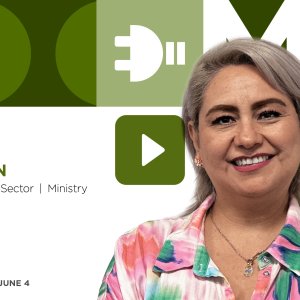
In 2025, under President Claudia Sheinbaum's leadership, Mexico relaunched the Hecho en México (Made in Mexico) seal as a cornerstone of the broader Plan México. This initiative aims to position the country as a leading industrial hub, enhancing economic sovereignty and reducing reliance on imports, while boosting the development of the local supply chain in different industries, including energy generation. According to Diana León, Head of the Energy Program, Ministry of Economy, however, the Hecho en México seal is more than a branding effort; it is a strategic move to strengthen Mexico's industrial base.
By encouraging the use of domestic inputs and recognizing products that meet high-quality standards, the initiative seeks to boost the national economy and integrate Mexican businesses into global value chains, hoping to capitalize on the nearshoring effect. As of May 2025, over 600 companies have registered nearly 2,000 products across various sectors, including automotive, aerospace, electronics, and textiles.
León stressed the importance of the energy sector within this context, as one of the Plan México goals is to generate 25% of Mexico’s energy coming from renewable sources. This objective also aligns with the federal government’s goal to ensure energy justice, which León defined as ensuring equitable and sustainable access to energy for everyone. It seeks to guarantee that all people, regardless of their geographic location or socioeconomic status, have reliable and sustainable access to the energy they require. "Energy should not be a luxury, but rather it should reach the places most in need,” she added.
Global Growth for Local Suppliers
While nearshoring has been a buzzword in recent years, its full potential in Mexico has been hindered by legislative uncertainties and infrastructure limitations. However, the Sheinbaum administration has taken steps to clarify sectoral regulations and foster dialogue with the private sector during the first months of her term. "I truly believe that together, we will see our sovereignty reflected, and Mexico will become sustainable and more productive. with your support, by 2030 we will have many more results,” León added, stressing the importance of public-private collaboration.
The federal efforts aim to create a more conducive environment for investment and capitalize on Mexico's strategic advantages, such as its skilled labor force and proximity to major markets. León noted that acquiring the Hecho en México distinctive creates various opportunities for companies, as they will be registered in Mexico’s suppliers and providers catalogue, which will be the main source of consultation to provide products and services for new companies setting up factories in the country. “It is important to generate synergies between registered companies and new investments,” she added.
León said that among other benefits, those obtaining the Hecho en México seal will enjoy increased consumer preference, achieve greater market differentiation, and enhance their brand's value and prestige. The government will facilitate networking opportunities and inclusion in national supply chains. Furthermore, companies gain access to training programs, discounts on registration with the Mexican Institute of Industrial Property (IMPI). Meanwhile, MSMEs can access NAFIN financing at preferential rates. This distinction also allows companies to showcase their commitment to sustainability, as it requires them to align with at least one of the UN’s Sustainable Development Goals (SDGs).
León stressed that the government is drafting the rules for service providers to obtain this distinction. Despite not having manufacturing processes, León says these companies can use the distinction for advertising purposes.
Opportunities Amid Uncertainty
Mexico's trade relations, particularly with the United States, have faced challenges due to protectionist policies and tariff impositions. Despite these hurdles, Mexico remains a competitive manufacturing destination, with nearly 90% of its trade with the US being tariff-free under the USMCA. The Hecho en México seal reinforces the country's commitment to producing high-quality goods that meet international standards, thereby opening doors to new markets in South America and Europe.
The initiative also emphasizes the importance of human capital in driving industrial growth. León highlighted the role of education and innovation in achieving energy sovereignty and sustainability. "We want to promote that more engineers graduate every day because energy plays a fundamental role in our country," she states. By aligning educational curricula with industry needs, the government aims to equip the workforce with the skills necessary for the evolving industrial landscape.
You May Like


Most popular








