The Overlooked Thermal Energy Transition in Mexico



STORY INLINE POST



 By José Celis Alarcon | Director -
Tue, 10/07/2025 - 06:30
By José Celis Alarcon | Director -
Tue, 10/07/2025 - 06:30
When we think about energy, many people confuse the term with electricity, which is a reductionism some people are concluding. Energy can manifest itself in different ways, such as electricity and, especially, its thermal form, among others.
Our energy matrix is highly dependent on fossil fuels. Most of these sources are derived from hydrocarbons. In Mexico, power energy (electricity) represents less than 20% of national energy consumption, according to the National Energy Balance of the Mexican Federal Ministry of Energy.
We must remember a key difference: Energy is not the same as fuel. Fuels are energy sources that undergo "combustion."
However, energy sources include electricity and renewable sources, such as solar energy. All will use the Joule (J) as their fundamental unit, but they will have their derived units, many of them widely used commercially, such as millions of BTU (MMBTU), gigacalories (Gcal]), and others.
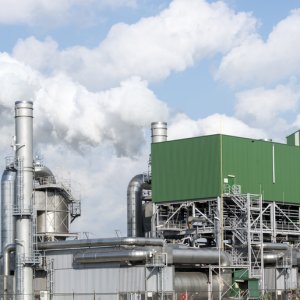
When we take into consideration an energy transition, we must focus on the fact that a large part of our energy consumption is for the transport sector, followed by what is known as "heat process," which is the use of heat for industrial processes and other processes used in the commercial, residential, and agro-industrial sectors.
These processes require constant temperatures and heat that allow changes in the physical and chemical properties of the final products. Some renewable energy sources, such as solar thermal energy, can be implemented and have been successfully used as a thermal energy-saving measure, but natural gas, LP gas, and other energy sources continue to be widely used because they allow the continuous processes of industries and businesses in general.
The energy transition has another dimension we must keep in mind: it seeks, in its purest form, to reduce emissions from energy consumption. Thus, reducing emissions by replacing a high-emissions energy source with one that has a lower emission factor is aligned with the main idea of an energy transition. For example, if an industry consumes gasoil or fuel oil and it changes to LP gas, it has conducted an energy transition, although it isn't a real sustainable energy transition, which is the ultimate goal promoted by the United Nations and the COPs.
However, we should take into consideration that this idea is part of the definition of energy efficiency, which is the relationship between the energy used or employed in a process and the amount of energy obtained from it. Today, companies and governments have clear goals for a power (electricity) energy transition; unfortunately, there is a lack of goals for a thermal energy transition (heat energy).
On the other hand, many of these thermal processes are complex when converting to electricity and are energy inefficient. Furthermore, they would require greater electricity consumption, necessitating an increase in power capacity (electricity), from generation (on-site, power plants, among others) through transmission to carry this energy to industrial parks, warehouses, and consumption centers.
Does the industrial sector have all the financial resources to achieve this goal? The answer is complex, as the cost of some energy sources — hydrocarbons, such as natural gas — is affordable, enabling companies to be competitive.
Finally, we must consider the Sustainable Development Goals (SDGs) for a true energy transition. Let's remember that SDG 7, Affordable and Clean Energy, in its objective 7.3 states: "...by 2030, double the global rate of improvement in energy efficiency." Here, we can clearly see that it is never limited to electricity; it opens the door to all energy sources. Therefore, I invite you to think beyond electricity. We face a much greater challenge that we are not addressing: the thermal energy transition, as a step toward a real Sustainable Thermal Energy Transition, beyond the actual goals of the Sustainable Power Energy Transition.
You May Like



Most popular