


Progress, Challenges in the Global Energy Transition: WEF
The latest World Economic Forum report, Fostering Effective Energy Transition, highlights the growing uncertainties hindering energy transition momentum despite record Energy Transition Index (ETI) scores. Global average ETI scores have reached their highest levels, with 107 out of 120 countries making progress over the past decade. However, economic volatility, geopolitical tensions, and technological shifts are creating a challenging landscape, reflected in a slowdown in the rate of improvement over the past three years.
Energy security continues to face significant challenges, with geopolitical tensions testing the resilience of energy systems worldwide. Despite these pressures, many countries have successfully mitigated most risks. However, energy equity has faced a setback in the past three years, driven by increased energy prices and fossil fuel subsidies. These factors have reversed progress, making energy less affordable and accessible for many.
Sustainability has shown gradual improvement, primarily due to enhanced energy efficiency and a higher share of clean energy sources. Despite this progress, energy-related emissions grew by 1.1% in 2023, highlighting the ongoing challenges in reducing carbon footprints. Transition readiness has advanced significantly, supported by regulatory measures, political commitments, and the development of human capital and infrastructure.
Countries like China and India are at the forefront of developing new energy solutions and technologies, even amid slowing innovation growth. Advanced economies, along with China and Brazil, continue to be top performers, with several developing nations also making significant strides. Sweden, Denmark, Finland, and Switzerland lead the ETI rankings, with France joining the Top 5 due to its effective energy efficiency policies, which resulted in a 12% reduction in energy intensity in 2022 compared to 2021.
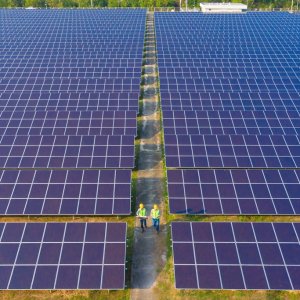
Six G20 countries feature among the Top 20 performers on this year’s ETI: France, Germany, Brazil, China, the United Kingdom, and the United States. In 2023, China commissioned as much solar photovoltaic (PV) capacity as the entire world did in 2022, while its wind energy additions grew by 66% year-on-year. Brazil’s long-term strategy for hydropower and biofuels, along with institution-building initiatives, have been crucial in attracting investments.
Estonia, Ethiopia, and Lebanon have seen the fastest improvements in the past five years, prioritizing off-grid renewable energy to enhance access and sustainability. Sub-Saharan Africa shows the strongest growth in ETI scores, driven by improvements in energy access and affordability. Tailored international support, focused on country-specific needs, is essential to direct sufficient financing to emerging and developing economies.
Mexico ranks 57th in the ETI, with little progress since 2015. Its 2024 score is 56.3, indicating a need for more robust measures to enhance its energy transition.
You May Like






Most popular








