Significant Investment Needed for Energy Transition
 By Perla Velasco | Journalist & Industry Analyst -
Wed, 01/01/2025 - 13:38
By Perla Velasco | Journalist & Industry Analyst -
Wed, 01/01/2025 - 13:38
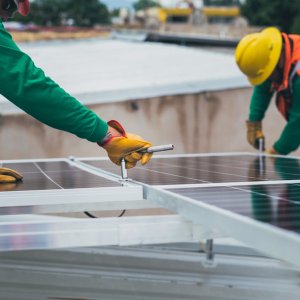
Mexico requires an investment of US$15 billion to meet its energy transition goals and address an additional industrial demand of 9,500MW by 2030, according to the Mexican Energy Council (COMENER). This investment is primarily aimed at renewable energy generation projects and the expansion of electric transmission infrastructure.
The National Energy Plan sets a goal for 50% of the country's electricity to come from renewable sources by 2030. To achieve this, US$10 billion is needed for generation projects, and US$4.6 billion is required for expanding the electric transmission system. Juan Acra López, President, COMENER, emphasized that public funding alone is insufficient, making private sector participation crucial.
“Ensuring a conducive environment for private investment is vital for Mexico to achieve its ambitious energy goals and support sustainable industrial growth,” said Acra. He noted that attracting private sector involvement will require a clear legal framework that establishes favorable conditions for investment. Despite the critical nature of these projects, the government has not met its interim goal of sourcing 35% of energy from clean sources, falling short at 30% due to an investment shortfall of US$2.86 billion.
Recent legal changes and the dissolution of autonomous bodies have also created uncertainty, potentially deterring private investment. To progress in the energy transition and meet the growing industrial demands, it is essential to ensure legal stability and fair competition for private companies, Acra said.
A report by México Evalúa highlighted the progress and challenges in Mexico’s northeastern region, focusing on Nuevo Leon, Tamaulipas, and Coahuila. Using the World Economic Forum's methodology, the organization evaluated progress through 39 indicators from 2015 to 2023. The study showed that the region advanced in more than 40% of the indicators. However, approximately one-third of the indicators experienced deterioration, while another third showed limited transparency.
Between 2016 and 2023, energy consumption in the region increased by 18.09%, exceeding the national average of 15.66%. Tamaulipas expanded its power plants from 26 to 47, with 40% of the added capacity sourced from renewable sources. Nuevo Leon and Coahuila registered lower contributions to clean energy generation, with 12% and 29% of new capacity allocated to sustainable technologies, respectively.
To accelerate the energy transition, México Evalúa recommends clarifying institutional responsibilities for monitoring and updating greenhouse gas emissions data, strengthening local capacities with technical and financial resources for emissions inventories, and prioritizing collaboration, transparency, and an integrated approach in key regions.
In addition to its energy transition efforts, Mexico plans to allocate approximately US$24.4 billion to enhance the country’s energy and water infrastructure. This initiative is part of President Claudia Sheinbaum's broader "Plan México," which aims to propel Mexico into the Top 10 global economies.
You May Like








Most popular