

How to Accelerate Electric Mobility in Mexico



STORY INLINE POST


 By Mauricio Medina | CEO -
Tue, 08/19/2025 - 08:30
By Mauricio Medina | CEO -
Tue, 08/19/2025 - 08:30
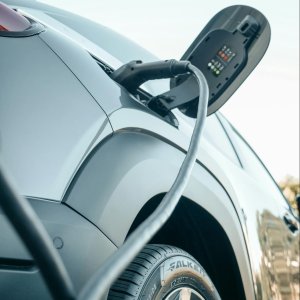
Given the growth of electromobility in the country, it is necessary to conduct an in-depth analysis of charging needs in Mexico, as it is at a tipping point for expansion. When deploying charging infrastructure, the key is not merely the number of stations, but rather planning where they are installed, taking into account factors such as the geographic regions with the highest density of EV and PHEV units or mobility data. This plan can be carried out in cooperation between associations, automakers, leasing companies, charging station providers, and government entities to achieve maximum efficiency and effectiveness in our shared future toward electric mobility.
Electromobility in Mexico represents a major opportunity, particularly in terms of charging infrastructure, and not simply the number of charging sites, but the ability to deploy stations in the areas where they are most needed.
In recent years, Mexico has seen an increase in the number of electric and plug-in hybrid units on the streets of major cities as well as on highways. In the first half of 2025, 14,443 electric and plug-in hybrid vehicles were sold in Mexico, according to data from INEGI. According to the 2025 Barometer recently published by the Electric Mobility Association (EMA), sales of these types of vehicles grew 40.29% in the first six months of the year compared to the same period in 2024.
INEGI data shows that from January to June, these “green” vehicles accounted for 2% of total cars sold in the country. In BitCar’s case, the percentage of financed electric and plug-in hybrid cars compared to its total placements in the first six months of the year was 9%, above the national figure.
A Plan for Charging Infrastructure
Mexico’s network of charging stations grew considerably over the past year, both in public spaces and in residential buildings. According to EMA, the infrastructure grew by 15%. As of the first half of 2025, EMA data shows there are 3,665 public charging centers and 48,195 private ones, for a total of 51,860 charging centers nationwide.
However, in the national survey of electric vehicle users conducted by EMA, 78% of respondents said that one of the main barriers to driving an electric or plug-in hybrid vehicle is the lack of charging locations, while 29% indicated this factor could deter them from purchasing such a vehicle.
This may indicate that, while significant investment and effort have been made to improve infrastructure, in the coming months and years it will also be necessary to analyze the current landscape of electric and plug-in hybrid vehicles, identify the geographic areas with the highest density of such units, and map the most used routes in order to carry out a planned deployment that meets user needs.
From an industry perspective, financial institutions like BitCar consider it essential to ensure that when financing these types of vehicles, customers have access to charging stations and to an effective, well-distributed infrastructure nationwide, particularly given that 51% of Mexicans who purchase or acquire a vehicle with this type of technology do so through financing.
At BitCar and TIP México, key partnerships have been promoted to help both companies and individuals transition to electromobility with the backing and advice of national experts. Currently, in collaboration with VEMO, support is provided through information on financing options, emerging technologies, and infrastructure, offering specialized advice tailored to each case.
In addition, according to EMA’s national survey of electric vehicle users, 9 out of 10 people agree that planning a long trip in an EV requires more preparation than in a gasoline car, reflecting the need to improve both the urban and intercity charging networks, especially along key routes such as Queretaro, Guadalajara, Acapulco, Cuernavaca, Puebla, Veracruz, and Toluca, where demand for fast-charging stations is on the rise.
In the country, 6 out of 10 electric or plug-in hybrid vehicle users have a home charger. To meet growing demand and facilitate installations in homes, offices, and high-rise developments, EMA launched a technical manual to guide professionals and users, reducing barriers and bringing electromobility closer to more Mexicans.
The main goal of this document is to address the growing need and serve as a practical tool to lower barriers and make electromobility accessible to all. This guide can be useful both for Mexicans who already own or use such vehicles and for those considering purchasing or financing their first electric vehicle.
The acceleration of electric mobility in Mexico depends not only on the deployment of charging infrastructure but also on access models that make adoption of this technology easier. In this regard, leasing of hybrid and electric vehicles emerges as a strategic solution for businesses and individuals, allowing them to access next-generation units without making a large initial investment, with flexible plans that include maintenance, insurance, and — in many cases — advice on charging infrastructure.
Furthermore, leasing mitigates risks associated with the rapid technological evolution of the sector, as it allows vehicle renewal at the end of the contract, avoiding depreciation and ensuring access to models with greater range, better efficiency, and more advanced technology. This not only boosts the competitiveness and sustainability of individuals and organizations but also contributes to reducing emissions and improving air quality in our cities.
Promoting charging infrastructure and encouraging leasing schemes for these types of vehicles are two complementary pillars to make electromobility a massive, profitable, and accessible reality for everyone in Mexico.
You May Like






Most popular








