


Dietary Supplements: Safety, Wellness
 By Sofía Garduño | Journalist & Industry Analyst -
Wed, 04/10/2024 - 16:21
By Sofía Garduño | Journalist & Industry Analyst -
Wed, 04/10/2024 - 16:21
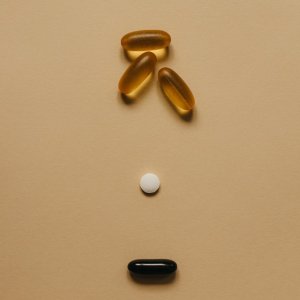
Dietary supplements, comprising vitamins, minerals, and herbal products, have become ubiquitous in the modern wellness landscape. Accessible without a prescription and available in various forms, they offer a convenient means to bolster nutritional intake. However, informed decision-making, guided by scientific evidence and healthcare expertise, is imperative to maximize their benefits while mitigating potential risks.
Dietary supplements offer potential solutions to address nutritional deficiencies and have the capacity to enhance health when consumed appropriately. Healthcare professionals often recommend supplements to address specific health concerns or mitigate dietary deficiencies, as reported by Healthline.
“Highly processed foods, depleted soils, and busy schedules often lead to inadequate intake of essential nutrients. Even with the best dietary intentions, it can be difficult to ensure that we get all the vitamins, minerals, and other bioactive compounds we need for optimal health,” writes Gustavo Rodríguez, Founder and CEO, NutriADN.
Supplements may be especially beneficial for individuals with restricted diets, allergies, or medical conditions. A case study outlined by Natalia Díaz, Head of Medical Education, NutriADN, illustrates the impact of dietary supplements on a patient with chronic reflux who sought guidance to improve their dietary habits. Through adopting healthier eating patterns and incorporating dietary supplements, “the patient manage[d] to reduce [their] acid reflux recurrence by 98%, preventing the need to perform an endoscopy.”
The global landscape of supplement consumption has witnessed a surge in recent years as the COVID-19 pandemic catalyzed a significant uptick in dietary supplement sales, particularly amidst concerns surrounding vaccine availability and efficacy, according to a study. In Mexico, data from the National Institute of Statistics and Geography (INEGI) underscores this trend, revealing a substantial increase in supplement sales during the pandemic period, as reported by Forbes.
In 2024, supplement trends include a revival of botanicals for holistic wellness, growing popularity of brain-mood health supplements, increasing demand for energy supplements, a diversification of skin health products, and significant growth in female-focused supplements catering to different life stages, according to Glanbia Nutritionals.
However, while dietary supplements offer potential health benefits, prudent consumption is imperative. Certain supplements may interact unfavorably with medications or exacerbate underlying health conditions, as reported by the National Institutes of Health (NIH). Moreover, the safety and efficacy of many supplements remain inadequately studied in certain population subsets, necessitating informed decision-making under the guidance of healthcare providers. Consequently, individuals should exercise caution, particularly when considering supplements in tandem with surgical procedures or during pregnancy, highlights the NIH.
You May Like






Most popular








