

Hybrid Leaders: From Silent Burnout to Conscious Leadership


STORY INLINE POST







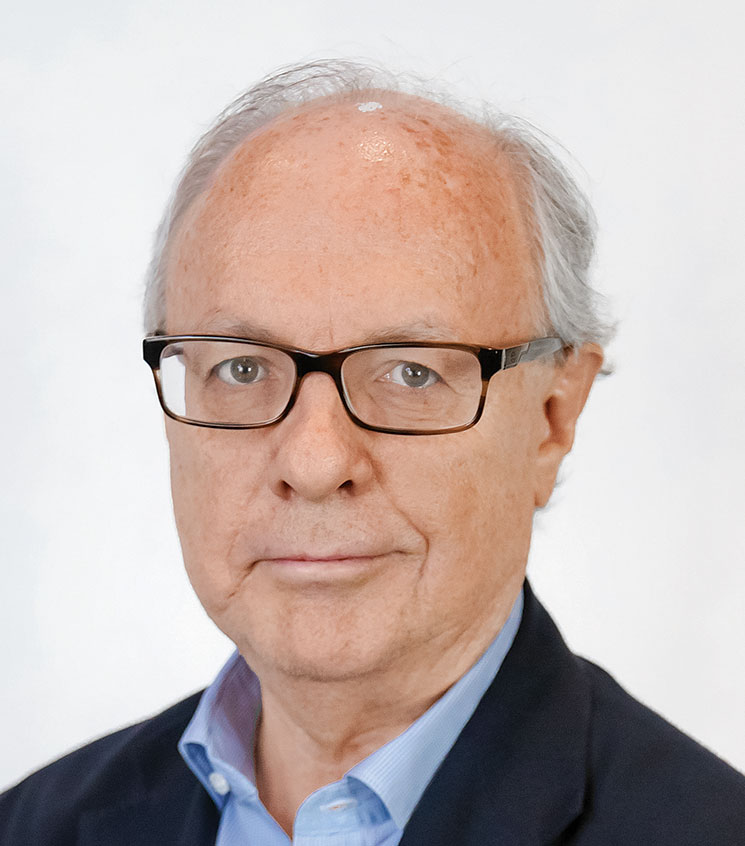
 By Cristobal Thompson | Independent Contributor -
Tue, 12/30/2025 - 06:30
By Cristobal Thompson | Independent Contributor -
Tue, 12/30/2025 - 06:30
In recent years, the conversation around burnout and disengagement has moved beyond being a “soft” topic to becoming a strategic business issue. This is not a matter of perception; the data is unequivocal.
The World Health Organization (WHO) has included burnout in the International Classification of Diseases as an occupational phenomenon resulting from chronic workplace stress that has not been successfully managed. It describes burnout as a syndrome characterized by extreme exhaustion, increased mental distance from or cynicism toward work, and reduced professional efficacy.
In parallel, global engagement reports reveal a massive disconnect. Gallup’s "State of the Global Workforce 2025" shows that only 21% of employees worldwide describe themselves as engaged at work, while 62% are not engaged, and 17% are actively disengaged. In other words, the majority are physically present but emotionally disconnected.
Building on this data, the World Economic Forum (WEF) speaks of a true workplace well-being crisis: nearly 60% of employees feel emotionally disconnected from their work, and almost 1 in 5 describes their daily experience as miserable. In its "Thriving Workplaces" report, the WEF also notes that only one quarter of workers feel happy at work, and that improving well-being could add up to US$11.7 trillion to the global economy.
Adding to this is a sustained rise in stress. Using Gallup data, the WEF reported that in 2020 daily worker stress reached a record high, with 43% of people feeling stressed most of the day. Since then, stress levels have not returned to pre-crisis norms.
This combination of burnout, emotional disengagement, and low happiness clearly defines the challenge that OMIND addresses: the traditional leadership and management model is no longer sufficient to sustain performance, mental health, and engagement in a volatile, digitalized, and information-saturated world.
What Kind of Leaders Will Companies Seek by 2030?
In light of this crisis, the question is not only how to extinguish the burnout fire, but what kind of leadership we need to build toward 2030.
The World Economic Forum’s "Future of Jobs Report 2025," based on data from more than 1,000 global employers, projects that 39% of the core skills required in the labor market will change by 2030. This represents a profound transformation in the leadership profile organizations will need.
An analysis of the same report highlights the 10 core competencies most in demand today and expected to grow through 2030: analytical thinking; resilience, flexibility, and agility; leadership and social influence; creative thinking; motivation and self-awareness; technological literacy; empathy and active listening; curiosity and lifelong learning; talent management; and service orientation.
Translated into business language, companies will not only look for leaders who master technology, AI, and data (AI, big data, technological literacy), but who also combine these capabilities with deeply human competencies: resilience, self-awareness, empathy, listening skills, and continuous learning.
In other words, the leader of 2030 will either be a hybrid leader, or will not be relevant at all. A leader capable of moving fluently between algorithms and emotions, dashboards and difficult conversations, data-driven decisions and purpose-driven decisions.
In this context, leadership shifts from managing tasks to designing work cultures where people can perform at a high level without breaking internally. The paradox is clear: the same environment that demands greater speed and adaptability is draining the mental energy of those expected to lead transformation.
Coaching + Hybrid Intelligence: A New Strategic Muscle
This is where coaching and so-called hybrid intelligence (humans + AI) cease to be “peripheral benefits” and become a strategic nervous system for the organization.
Platforms such as OMIND for Coaching integrate neuroscience, gamified assessments, and artificial intelligence to help coaches and leaders better understand emotions, thinking patterns, and relational skills, while also measuring the impact of development processes with clear data.
This hybrid intelligence logic introduces three key shifts:
1. From isolated intuition to data-informed deep understanding
-
Traditional coaching relies heavily on the coach’s perception and the coachee’s narrative.
-
Hybrid intelligence adds layers of objective information: neuroscientific questionnaires, stress indicators, thinking styles, attentional biases, and relational patterns.
-
This makes it possible to detect early signs of burnout, disengagement, or misalignment between role and motivation, and to design more precise interventions.
2. From isolated conversations to measurable transformation processes
-
Executives and talent leaders often ask: How do we know coaching works?
-
With hybrid tools, progress can be measured across concrete variables: goal clarity, self-awareness, prioritization ability, decision quality, team climate, and more.
-
This transforms coaching from an act of faith into an evidence-based investment aligned with the organization’s strategic challenges.
3. From reacting to problems to the preventive design of healthy cultures
-
When organizations have aggregated data on leadership styles, mental energy levels, engagement trends, and risk factors, they can anticipate areas with a higher probability of burnout or turnover.
-
Coaching then stops arriving too late (when the leader is already depleted) and becomes a preventive mechanism of continuous adjustment: new conversations, role redesign, improved team dynamics, and workload decisions.
In short, the coaching + hybrid intelligence tandem directly responds to the competencies highlighted by the WEF for 2030: analytical thinking, leadership and social influence, motivation and self-awareness, empathy, and lifelong learning — supported by AI and data.
Everything Starts With Self-Awareness
However, no model, platform, or algorithm can replace the true starting point of any leadership transformation: self-awareness.
It is no coincidence that the Future of Jobs report identifies motivation and self-awareness as core competencies that will gain importance toward 2030. In an environment where decisions are increasingly complex and pressure is higher, leaders need to understand:
-
What activates their best version, and what triggers their automatic reactions?
-
What beliefs underpin their decisions, even when they are not consciously aware of them?
-
How they manage energy, attention, and emotions under pressure?
-
What real impact their behaviors have on team engagement and mental health?
Self-awareness is not an introspective luxury, it is a safety condition. Leaders who do not know themselves can amplify team burnout — even with good intentions — by pushing too hard, not listening, avoiding difficult conversations, or acting from fear of error.
Hybrid intelligence amplifies this process in three ways:
1. Making the invisible visible: Neuroscience-based assessments and data analysis allow leaders to see patterns that would otherwise take years to recognize: recurring biases, thinking tendencies, and habitual ways of relating to authority or conflict.
2. Grounding insight into concrete action plans: The coach and leader can translate results into observable micro-habits: changing the way feedback is delivered, adjusting agendas to include recovery time, practicing genuine active listening, delegating more clearly, and more.
3. Tracking progress and sustaining discipline: Through periodic indicators, leaders can observe shifts in stress levels, perceived self-efficacy, team trust, and engagement—and continuously adjust their development plan.
From Discourse to Decision
The data from the WHO, WEF, and Gallup tells us something uncomfortable yet simple: If we continue to lead the same way, the cost in burnout, disengagement, and talent loss will keep rising.
Organizations that want to reach 2030 in a healthy state will need:
-
Hybrid leaders: technologically and AI-savvy, yet deeply human.
-
Coaching processes supported by hybrid intelligence, combining transformative conversations with objective measurement and follow-up.
-
And above all, the courage to start from within: helping each leader look honestly at themselves, understand their mental and emotional design, and from there redesign how they lead, decide, and care for their people’s energy.
The future of work is already here. The question is not whether hybrid intelligence and coaching will transform leadership, but how quickly you are willing to use these tools to begin with your own self-awareness — and stop, unintentionally, contributing to the global statistics of burnout and disengagement.
You May Like







Most popular







