IMSS, DIF Partner to Train People With Visual Disabilities
The Mexican Social Security Institute (IMSS) is working with the National System for Integral Family Development (DIF) to help people with visual disabilities navigate urban environments safely and independently.
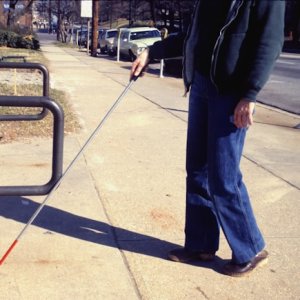
The program focuses on practical instruction in the use of the white cane and the Kaná device — an assistive tool developed by IMSS — to help participants enhance mobility and confidence in daily transit. The initiative is implemented at a DIF training center in Mexico City, where participants learn to move autonomously and use public transportation as part of their daily routines.
According to Ana Gabriela Gallardo, Researcher at the Medical Research Unit for Metabolic Diseases, IMSS, the collaboration reflects the institution’s long-term commitment to inclusion, accessibility, and safety for its 850,000 beneficiaries living with visual disabilities. “It is necessary that we, as a society, unite to help them reach their destinations safely,” says Gallardo, adding that such alliances reinforce the IMSS goal of fostering autonomy through both technology and education.
Nicolás Guzmán, Program Lead, DIF, played a key role in coordinating and sharing expertise gained from years of experience supporting the visually impaired community. “Dr. Guzmán Nava has shown great openness to work with the IMSS and to contribute his knowledge to strengthen training and inclusion,” says Gallardo.
The program’s approach goes beyond teaching the mechanics of mobility tools. It emphasizes real-life practice in urban settings — such as learning to board buses, cross streets, and move through complex pedestrian areas. By integrating technology with community-based training, IMSS and DIF aim to expand opportunities for education, employment, and social participation among people with visual disabilities.
Gallardo explains that while technological innovation provides critical support, community awareness remains essential. She calls for public collaboration to create accessible spaces by keeping sidewalks clear, installing tactile paving and audible signals, and showing everyday courtesy toward pedestrians with visual impairments.
You May Like







Most popular