


PAHO Celebrates a Year of Progress in the Americas
The Pan American Health Organization (PAHO) celebrates significant strides in the region in 2024, including notable milestones in disease elimination, vaccination recovery, maternal health, and pandemic preparedness.
The Americas region regained its measles-free status in 2024, with Brazil recently re-verified for eliminating the disease, as reported by PAHO. This achievement, alongside the lowest measles cases on record in 2023, underscores PAHO's ongoing efforts through its Disease Elimination Initiative. Other key milestones include the elimination of mother-to-child transmission of HIV and syphilis in several countries, as well as 30 years without wild polio virus.
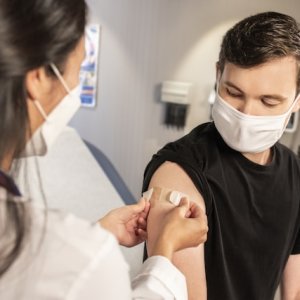
Meanwhile, vaccination coverage in the Americas surpassed pre-pandemic levels for the first time since 2019. DPT3 vaccination rates increased, with the number of children missing vaccines dropping significantly. Despite these gains, challenges remain, with one in 10 children still lacking full vaccination.
PAHO also launched a new strategy to reduce maternal mortality, focusing on primary healthcare and cross-sector collaboration. The initiative targets 12 countries accounting for 90% of maternal deaths in the region. This effort aims to ensure universal access to quality maternal care, with a particular focus on vulnerable populations.
The organization’s HEARTS initiative also saw substantial growth, with over 6,500 health centers across 33 countries now integrating non-communicable disease (NCD) care into primary health systems. This initiative addresses the rising burden of non-communicable diseases, which account for a significant portion of premature deaths in the Americas. PAHO also continues its push to eliminate cervical cancer in the Americas through HPV vaccination, screening, and treatment.
PAHO is also working to reduce reliance on imported vaccines, highlighting a groundbreaking project for a mRNA vaccine against avian influenza that is underway in Argentina. This initiative, part of a global technology transfer program, aims to boost regional self-sufficiency in vaccine production.
This year also witnessed the largest dengue epidemic in the Americas since 1980, with over 12.7 million cases. While the epidemic was severe, the region's effective management, including vector control strategies and enhanced surveillance, kept the mortality rate below 1%, adds the organization.
Additionally, PAHO played a pivotal role in securing US$84 million for pandemic preparedness in the region. It also supported Latin American and Caribbean nations in advancing digital health infrastructure, promoting digital health services, and improving health information systems. These advances aim to enhance access to care, particularly in remote areas, and prepare for future health emergencies.
You May Like


Most popular








